Learning how to stay consistent with a home fitness plan is the single most important factor in reaching your health goals. It’s more important than having the perfect workout, the most expensive equipment, or the trendiest activewear. Consistency is the engine of progress. And yet, it’s the one thing that eludes so many of us.
Does this story sound familiar? You start a new fitness plan with a powerful surge of motivation. You buy the gear, clear a space in your living room, and for one glorious week, you are unstoppable. You’re up early, you’re crushing your workouts, and you feel amazing. But then, week two rolls around. You have a stressful day at work and skip a session. Then you miss another because you’re just too tired. Before you know it, your yoga mat is gathering dust in the corner, a silent monument to your good intentions.
If you’re nodding along, please know this: you are not a failure. You haven’t failed because you lack willpower or because you’re “lazy.” You’ve likely failed because you were relying on the most fickle of human emotions: motivation.
Motivation is a fantastic spark, but it’s a terrible fuel source. It comes and goes. The real secret to long-term success isn’t motivation; it’s discipline, systems, and habits. It’s about building a structure so strong that you follow through even on the days you least feel like it. This guide will provide that structure. These aren’t just tips; they are proven strategies to help you stop the cycle of starting and stopping, and finally build a fitness routine that lasts.

Table of Contents
The Mindset Shift: Forget Motivation, Build a System
First, let’s get one thing straight. The fittest people you know don’t have a magical, endless supply of motivation. What they have are non-negotiable habits and systems. They don’t wake up every single day bursting with excitement to work out. They wake up and do it because it’s part of their routine, like brushing their teeth or making coffee.
Your goal is not to feel motivated every day. Your goal is to make your workout so automatic that the decision to do it has already been made for you. Here’s how you build that system.
1. The “Two-Minute” Rule: Start Absurdly Small
The biggest mistake people make is trying to go from zero to one hundred. They commit to a 60-minute workout, five days a week. It’s a noble goal, but it’s often too big a leap. The activation energy required is just too high on a low-energy day.
The Strategy: As popularized by James Clear in “Atomic Habits,” scale your new habit down to something that takes two minutes or less.
- Instead of “do a 30-minute workout,” your goal is “put on my workout clothes.”
- Instead of “do a 45-minute yoga session,” your goal is “roll out my yoga mat.”
- Instead of “go for a 3-mile run,” your goal is “put on my running shoes and walk to the end of the driveway.”
The point isn’t the workout itself; it’s about mastering the art of showing up. Anyone can put on their workout clothes. Once you’ve taken that first tiny step, you’ll often find the momentum to do a little more. And even if you don’t, you’ve still reinforced the habit of starting.
2. Schedule It Like a CEO: Time-Block Your Health
If your fitness is just a floating item on your to-do list, it will always be the first thing to get pushed aside. You need to treat your workout with the same respect you give to a work meeting or a doctor’s appointment.
The Strategy: Get out your calendar—digital or paper—and schedule your workouts for the week. Block off the time. Don’t just write “workout.” Write “25-Minute HIIT Session” or “30-Minute Walk.” Be specific.
This does two things:
- It makes it real. The time is now reserved and allocated.
- It eliminates decision fatigue. You don’t have to wonder when you’ll work out. You just look at your calendar and see that 12:00 PM is your time.
Protect this block of time. If something comes up, you don’t cancel it; you reschedule it, just as you would any other important appointment.
3. “Don’t Break the Chain”: The Power of a Visual Tracker
Momentum is a powerful psychological force. When you can see your progress, you are far more likely to want to continue it.
The Strategy: Get a big wall calendar and a red marker. For every day you complete your planned workout (even if it was just the “two-minute” version), put a big red “X” over that day.
Your only goal is to not break the chain. After you have a string of 5, 10, or 20 X’s in a row, you will find yourself doing everything in your power to avoid leaving a blank space. It’s a simple but incredibly effective way to visualize your consistency and build pride in your new identity as “someone who works out regularly.”
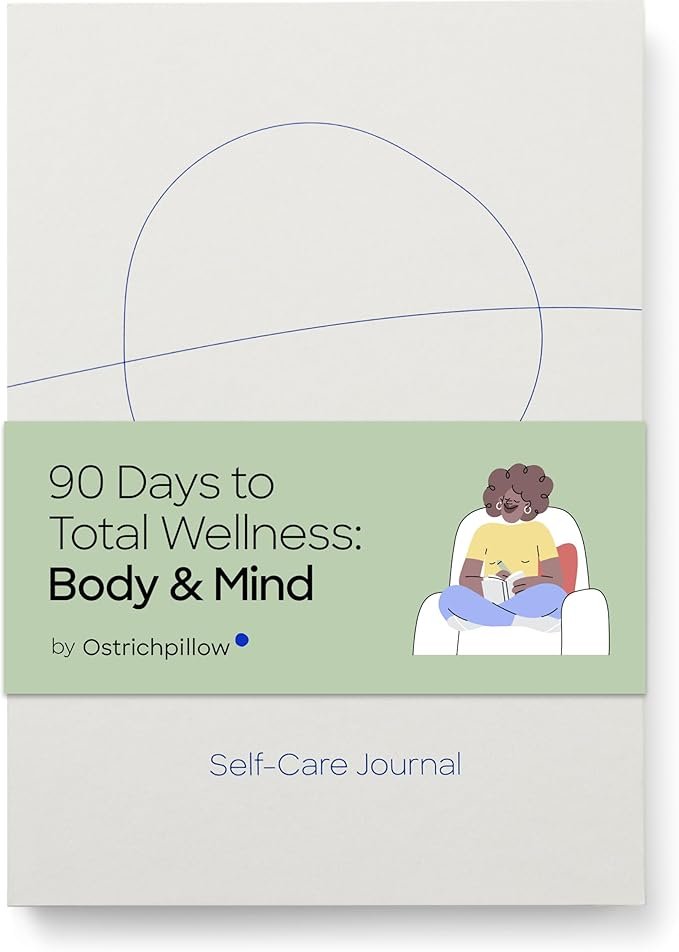
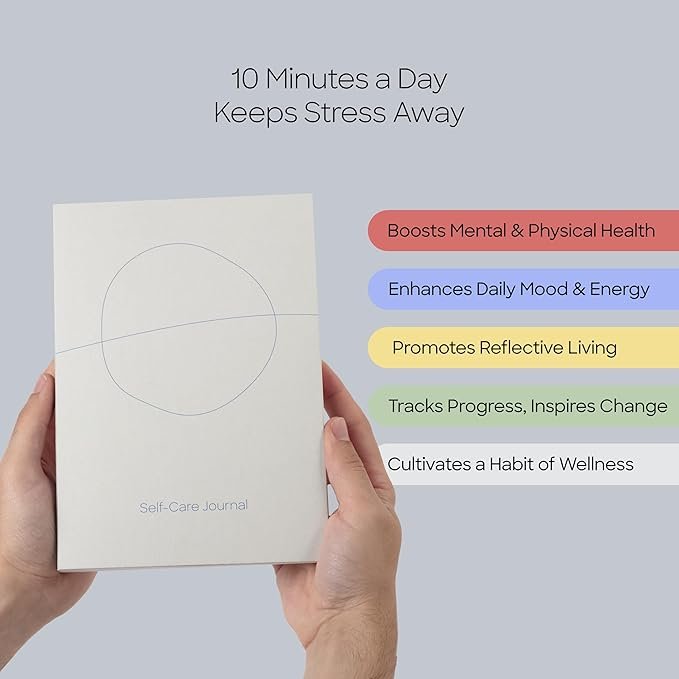
To make this method truly effective, get the right tool for the job. A large, simple wall calendar and a pack of bold markers are all you need. If you prefer something more detailed, a dedicated habit tracker journal can provide space to log your workouts and notes, making the process even more rewarding.
4. Find Your “Why”: Connect to a Deeper Purpose
“I want to lose 10 pounds” is a common goal, but it’s often not a powerful enough “why” to get you through a tough day. Your “why” needs to be something deeper, something that connects fitness to your core values and identity.
The Strategy: Take five minutes and write down the answers to these questions:
- How will being fitter improve my quality of life? (e.g., “I’ll have more energy to play with my kids.”)
- What future pain am I trying to avoid? (e.g., “I want to avoid the health problems my parents faced.”)
- What kind of person do I want to be? (e.g., “I want to be a person who honors their commitments to themselves.”)
When your motivation wanes, reconnect with these answers. Your workout is no longer just about aesthetics; it’s about being a more energetic parent, a healthier future self, and a person with integrity.
5. Habit Stacking: Link New Habits to Old Ones
Your brain loves patterns. You can leverage your existing daily habits to automatically trigger your new fitness habit.
The Strategy: Use the formula: “After [CURRENT HABIT], I will [NEW HABIT].”
- “After I turn off my morning alarm, I will immediately put on my workout clothes.”
- “After I shut down my work laptop for the day, I will immediately start my 20-minute workout.”
- “After I pour my first cup of coffee, I will do my 5-minute stretching routine.”
By linking your workout to a firmly established habit, you’re essentially putting it on autopilot. The old habit becomes the cue for the new one, removing the need for internal debate.
6. Temptation Bundling: Pair “Want To” with “Have To”
This is a brilliant strategy for making your workout more enjoyable. It involves pairing an action you want to do with an action you need to do.
The Strategy: Reserve one of your favorite things exclusively for workout time.
- Do you love listening to a specific true-crime podcast? You’re only allowed to listen to it while you’re on your walk or run.
- Are you binge-watching a show on Netflix? Only allow yourself to watch it while you’re on the stationary bike or doing a bodyweight circuit.
- Love scrolling through Instagram? Do it for 5 minutes as a reward immediately after your workout is finished.
This technique, coined by researcher Katy Milkman, can transform your workout from a chore into a treat you actually look forward to.
7. Design Your Environment for Success
If your dumbbells are buried in the back of a closet, the friction required to start your workout is high. If your yoga mat is already unrolled next to your bed, the friction is low.
The Strategy: Make your fitness cues obvious and your unhealthy cues invisible.
- Lay out your workout clothes the night before.
- Keep your resistance bands in a basket right next to your work desk.
- If you have a dedicated space, leave your equipment set up and ready to go.
- Conversely, if you tend to get sucked into the sofa, put a dumbbell or a yoga block on your usual spot as a physical reminder of your goal.
8. Prepare for Failure: The “Never Miss Twice” Rule
Perfection is the enemy of consistency. You will miss a workout. You’ll get sick, you’ll travel, or you’ll have an overwhelmingly busy day. The problem isn’t missing once; it’s letting that one miss turn into two, then three, then a return to old habits.
The Strategy: Adopt the “Never Miss Twice” rule. Life happens, and you might miss a scheduled workout. That’s okay. But you must do everything in your power to not miss the next scheduled day. One missed workout is an anomaly; two missed workouts is the beginning of a new (bad) habit. This rule provides the grace to be human while ensuring you get back on track immediately.
9. Build Your Accountability System
It’s much harder to quit when you know someone is watching. Accountability can be a powerful external motivator.
The Strategy: Choose a form of accountability that works for you.
- The Workout Buddy: Find a friend (in-person or virtual) and agree to check in with each other daily. A simple text saying “Workout done!” is all it takes.
- The Social Media Pledge: Declare your goal publicly. Post about your journey. Knowing you have an audience can be a powerful incentive.
- Fitness Apps with a Community: Apps like Strava, Peloton, or even a simple shared Google Sheet can create a sense of community and friendly competition.
10. Reward Yourself the Right Way
Your brain is wired to repeat actions that lead to rewards. Rewarding yourself for completing your workout reinforces the habit loop.
The Strategy: Plan small, healthy rewards for hitting consistency milestones.
- After one week of consistency, treat yourself to a new workout playlist or a long, relaxing bath.
- After one month, buy yourself that new piece of workout gear you’ve been eyeing.
- Avoid using food as a reward, as this can create an unhealthy relationship with exercise and eating.
Your Journey to Consistency Starts Now
Learning how to stay consistent with a home fitness plan is a skill, not an innate talent. It’s built through smart strategies, not brute force. Stop waiting for motivation to strike. Instead, choose just one of the strategies above and implement it this week.
Maybe you’ll lay out your clothes tonight. Maybe you’ll put a big “X” on your calendar tomorrow. Start small, be kind to yourself, and focus on the single most important action: showing up. The results will follow.
What is the number one thing that causes you to break your fitness streak? Share it in the comments below—your story could help someone else!