Starting your journey with container gardening in small spaces is one of the most rewarding ways to connect with nature, even if you don’t have a sprawling backyard. Do you look at your sunny balcony, tiny patio, or even just a bright windowsill and dream of snipping fresh basil for your pasta or picking a ripe tomato for your salad? You’re not alone. The desire for a green thumb doesn’t disappear just because you live in an apartment, condo, or a home with limited outdoor space.
The good news is that a lack of land is no longer a barrier to a bountiful harvest. Container gardening is the simple, accessible, and beautiful solution that allows anyone, anywhere, to experience the joy of growing their own food and flowers.
This guide is your complete roadmap. We’ll walk you through everything, from choosing the perfect pots and soil to selecting the best plants that will thrive in your unique space. Get ready to transform that small corner into a vibrant, living oasis.
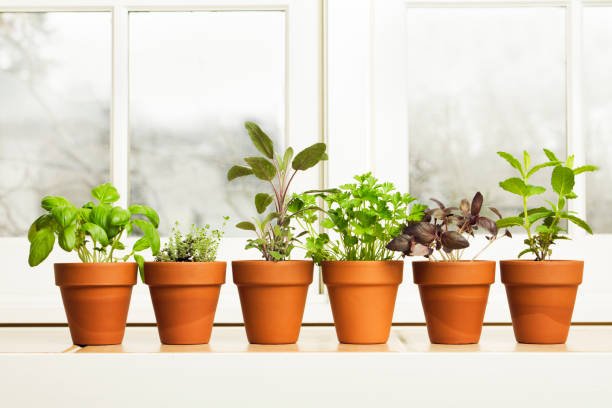
Table of Contents
What Exactly Is Container Gardening and Why Is It Perfect for Small Spaces?
At its core, container gardening is the practice of growing plants exclusively in containers or pots instead of planting them in the ground. While it’s an ancient practice, it has exploded in popularity as more people embrace urban living. But it’s more than just a trend; it’s a practical and fulfilling hobby with a host of benefits perfectly suited for modern life.
Why you’ll love container gardening:
- Total Control: You are the master of your garden’s universe. You control the soil quality, drainage, and nutrients, giving your plants the perfect environment to thrive—something that’s much harder to manage in a traditional garden bed.
- Accessibility for All: Whether you have mobility challenges or simply don’t want the back-breaking work of digging, container gardening brings the plants to you. Raised containers can be placed at a comfortable height, making gardening an enjoyable activity for everyone.
- Fewer Pests and Diseases: By using sterile potting mix, you eliminate many soil-borne diseases and pests right from the start. Elevated pots also make it harder for critters like rabbits and slugs to munch on your precious plants.
- Flexibility and Portability: Is that corner not getting enough sun? No problem! Simply pick up the pot and move it. You can rearrange your garden on a whim and even take it with you if you move. This is a game-changer for renters.
- Aesthetic Appeal: Containers add beauty and personality to any space. You can play with different colors, textures, and styles of pots to complement your décor, turning your balcony or patio into a stunning green retreat.
For anyone working with limited square footage, these benefits make container gardening in small spaces the ultimate solution for growing fresh, healthy produce and beautiful blooms.
The Foundation: Choosing the Perfect Containers
The “container” in container gardening is your plant’s home, so choosing the right one is crucial. Walking into a garden center can be overwhelming with all the options, but understanding the pros and cons of each material will make the decision easy.
The single most important feature of any container is drainage. Your pot must have holes in the bottom to allow excess water to escape. Without drainage, water will pool at the bottom, leading to root rot, which is a swift death sentence for most plants.
Container Materials
- Terracotta (Clay): These classic, earthy-toned pots are a favorite for a reason. They are porous, which allows air and water to move through the sides. This helps the soil breathe and prevents overwatering.
- Pros: Great for plants that prefer drier soil (like succulents and herbs), attractive, affordable.
- Cons: Dries out very quickly in sun and wind, can crack in freezing weather, can be heavy.
- Plastic Pots & Resin Planters: Modern plastic pots are lightweight, affordable, and come in a massive variety of colors and styles.
- Pros: Excellent at retaining moisture, lightweight, durable, and inexpensive.
- Cons: Less breathable, which can contribute to overwatering if you’re not careful. Darker colors can absorb heat and overheat the roots.
- Glazed Ceramic: These are the beautiful, stylish pots you often see indoors. They are coated with a glaze that makes them non-porous.
- Pros: Aesthetically stunning, retain moisture well, available in endless designs.
- Cons: Can be very heavy and expensive, often prone to chipping or cracking.
- Fabric Grow Bags: A fantastic, modern option, these bags are made from a breathable, felt-like fabric.
- Pros: Promotes excellent root health through “air pruning” (prevents plants from becoming root-bound), impossible to overwater, lightweight, and easy to store.
- Cons: Dries out extremely fast (may require daily watering in summer), not as decorative as other options.
- Wood Planters: Wooden boxes and barrels offer a rustic, natural look. Cedar and redwood are naturally rot-resistant choices.
- Pros: Good insulation for roots, aesthetically pleasing, can be built into custom sizes.
- Cons: Can be heavy, will eventually rot over time if not treated with a plant-safe sealant.
Does Size Matter?
Yes, absolutely! Choosing a pot that’s too small will restrict your plant’s root growth, stunting its development. A pot that’s too large can hold excess water that the small root system can’t absorb, leading to rot.
A Quick Size Guide:
- Small Pots (6-10 inches): Perfect for most herbs, lettuce, radishes, and flowers like marigolds and pansies.
- Medium Pots (5-7 gallons / 12-14 inches): Ideal for bush beans, peppers, and determinate (bush) tomato varieties.
- Large Pots (10+ gallons / 16-24 inches): Necessary for larger plants like indeterminate (vining) tomatoes, cucumbers, or a dwarf citrus tree.
Rule of Thumb: Always check the plant tag for its mature size and choose a pot that will accommodate its future growth.
The Secret Ingredient: Crafting the Perfect Potting Mix
You might be tempted to scoop some soil from a nearby garden bed, but please don’t! Garden soil is heavy, compacts easily in pots, drains poorly, and can contain weed seeds, pests, and diseases.
You need a dedicated potting mix (often called potting soil). This is a specially formulated, soil-less medium designed to provide the perfect balance of aeration, drainage, and moisture retention for container plants.
Components of a Good Potting Mix:
- Base (for moisture retention): Usually sphagnum peat moss or coco coir. This is the “spongy” part that holds water for the roots to access.
- Aeration (for drainage): Perlite (little white balls) or vermiculite. These lightweight materials create air pockets in the soil, allowing roots to breathe and water to drain freely.
- Nutrition (for food): Compost or well-rotted manure. This provides the essential organic matter and nutrients your plants need to grow strong. Many commercial mixes also include a slow-release fertilizer.
You can buy excellent pre-made, all-purpose potting mixes at any garden store. For beginners, this is the easiest and most reliable option. If you’re feeling adventurous, you can create your own by mixing one part peat moss/coco coir, one part compost, and one part perlite/vermiculite.
What to Grow: The Best Plants for Container Gardening in Small Spaces
This is the most exciting part! The list of what you can grow in containers is surprisingly long. Here are some of the easiest and most productive plants to get you started.
Easiest Vegetables for a Big Harvest
- Lettuce & Salad Greens: Varieties like ‘Black Seed Simpson’ or ‘Red Sails’ are “cut-and-come-again,” meaning you can harvest the outer leaves, and the plant will keep producing. They love cooler weather and don’t need deep pots.
- Tomatoes: Look specifically for determinate or patio varieties like ‘Patio Princess’ or ‘Bush Goliath.’ These grow to a compact, manageable size. You’ll need at least a 5-gallon container.
- Peppers (Hot & Sweet): Most pepper plants are naturally compact and do wonderfully in pots. They love sunshine and heat. A 3-5 gallon pot is usually sufficient.
- Radishes: These are one of the fastest-growing vegetables, going from seed to harvest in about a month! They don’t need much depth, making them perfect for smaller containers.
- Bush Beans: Unlike their pole bean cousins, bush beans don’t need a large trellis to climb. They produce a good harvest in a compact form.
Must-Have Aromatic Herbs
- Basil: A summer essential. It loves heat and sun. Keep pinching off the top leaves to encourage bushier growth.
- Mint: Incredibly easy to grow, but it’s extremely invasive. This makes it a perfect candidate for container gardening, where its roots are contained!
- Rosemary: This woody, drought-tolerant herb loves sun and well-draining soil. Don’t overwater it.
- Parsley & Cilantro: These leafy herbs are workhorses in the kitchen. They prefer full sun but will tolerate some light shade, especially in hot climates.
- Thyme: A low-growing, sun-loving herb that will happily spill over the sides of your container.
Cheerful & Easy-to-Grow Flowers
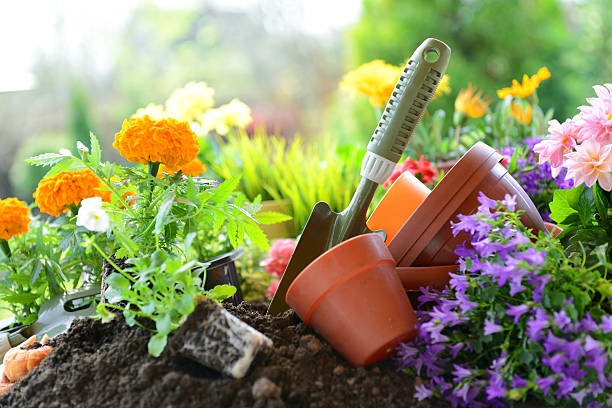
- Marigolds: Bright, cheerful, and super easy to grow. As a bonus, their scent can help deter common garden pests.
- Petunias: These prolific bloomers will cascade over the sides of hanging baskets and planters, providing color all season long.
- Geraniums: A classic container choice for a reason. They are heat-tolerant and provide bold pops of red, pink, or white.
- Pansies: Perfect for adding color in the cooler months of spring and fall.
Location, Location, Location: Finding the Perfect Spot
Before you start planting, spend a day observing the sun in your small space. The amount of direct sunlight an area receives will determine which plants will be happy there.
- Full Sun: 6-8+ hours of direct, unfiltered sunlight per day. This is ideal for most vegetables and fruiting plants like tomatoes, peppers, and strawberries.
- Part Sun / Part Shade: 4-6 hours of direct sun. Many flowers and leafy herbs like parsley and cilantro thrive here. Morning sun is generally gentler than harsh afternoon sun.
- Shade: Less than 4 hours of direct sun. Best for shade-loving plants like ferns, hostas, and some salad greens.
Don’t forget to consider other elements. Is the spot protected from strong winds that can topple pots and dry out plants? Is it close enough to a water source to make watering convenient? If you’re on a balcony, be mindful of the total weight of your containers, soil, and water.
The Daily Routine: Watering, Feeding, and Basic Care
Container gardens are a bit more high-maintenance than in-ground gardens, but a simple routine makes it easy.
The Art of Watering
This is the #1 challenge for new container gardeners. Because they have a limited volume of soil, pots dry out much faster than garden beds.
- How Often: In the heat of summer, you may need to water once a day, or even twice for small pots in full sun.
- The Finger Test: The best way to know if it’s time to water is to stick your finger about two inches into the soil. If it feels dry, it’s time to water. If it’s damp, wait another day.
- Water Deeply: When you do water, do it thoroughly. Pour water slowly over the soil until you see it running out of the drainage holes at the bottom. This ensures the entire root ball gets a drink.
Feeding Your Plants
Watering flushes nutrients out of the soil over time, so you’ll need to replenish them.
- When to Fertilize: Start fertilizing about a month after planting.
- What to Use: A balanced, all-purpose liquid fertilizer is an excellent choice. You can mix it with water and apply it every 2-4 weeks according to the package directions. Slow-release granular fertilizers are another great “set it and forget it” option you can mix into the soil at planting time.
Troubleshooting Common Container Gardening Problems
Don’t be discouraged if you hit a snag! Every gardener faces challenges.
- Problem: My plant’s leaves are yellow.
- Cause: This is most often caused by overwatering. It can also be a sign of a nutrient deficiency.
- Solution: Check the soil moisture with the finger test. Allow the soil to dry out a bit more between waterings. If watering isn’t the issue, try feeding your plant with a balanced liquid fertilizer.
- Problem: My plant looks wilted.
- Cause: Usually, this means it’s thirsty! However, wilting can also be a symptom of severe overwatering, where the roots have rotted and can no longer absorb water.
- Solution: First, check if the soil is bone dry. If so, give it a deep, thorough watering. If the soil is soggy and the plant is still wilting, you’ve likely overwatered it.
- Problem: I see tiny bugs all over my plant.
- Cause: You probably have common pests like aphids or spider mites.
- Solution: Often, a strong spray of water from a hose can knock them off. For more persistent infestations, an organic insecticidal soap or neem oil spray is a safe and effective treatment.
Your Green Journey Begins Now
Container gardening in small spaces isn’t just about growing plants; it’s about creating a personal sanctuary. It’s about the quiet satisfaction of watching a seed sprout, the simple pleasure of tasting food you grew yourself, and the calming effect of having a touch of nature right outside your door.
You don’t need a perfect space or a wealth of experience. All you need is a single pot, a bag of soil, and a little bit of curiosity. Start small, learn as you grow, and embrace the process.
We’d love to see what you create! What are you most excited to plant in your new container garden? Share your plans and questions in the comments below!