Look out at your balcony, your patio, or your windowsill. What if that small, precious space could be more than just a place for a few pretty plants? What if it could become a tiny, thriving ecosystem—a pocket of resilience and life in the middle of the city? This is the beautiful promise of sustainable urban gardening. It’s a practice that transforms our relationship with nature, turning a simple hobby into a powerful, positive force for the planet, right from our own homes.
In a world that often feels disconnected, sustainable urban gardening is the ultimate unplugged routine. It’s about more than just growing food or flowers; it’s about consciously creating a garden that works with nature, not against it. It’s about closing loops—where kitchen scraps become rich fertilizer and rainwater becomes the perfect drink for your plants. You don’t need acres of land to make a difference. Every pot, every planter, and every conscious choice contributes to a healthier environment.
This guide is your roadmap. We’ve gathered 15 actionable, beginner-friendly tips that will empower you to create a garden that is not only beautiful and productive but also a model of sustainability. Let’s dig in and grow a greener world, one balcony at a time.
Table of Contents
First, What Is Sustainable Urban Gardening (And Why Does It Matter)?
At its core, sustainable urban gardening is a philosophy of mindful cultivation. It means reducing your garden’s environmental footprint by minimizing waste, conserving resources, and nurturing local biodiversity. It’s about shifting from a consumer mindset (buying new soil, new fertilizers, new pesticides) to a creator mindset (making your own compost, saving your own water, fostering a natural balance).
Why does this matter in the city?
- It Reduces Landfill Waste: Composting kitchen scraps can divert a significant amount of your household waste from landfills, where it would otherwise produce potent greenhouse gases.
- It Conserves Precious Water: Cities are massive consumers of treated water. Smart watering techniques reduce this strain on municipal systems and protect our most vital resource.
- It Supports Urban Wildlife: A single pot of native flowers can become a vital food source for bees, butterflies, and other pollinators navigating the concrete jungle.
- It Improves Your Health: It connects you to your food source, eliminates the need for chemical pesticides, and provides a powerful, screen-free activity that reduces stress and promotes mindfulness.
The Foundation: Building Better Soil, Sustainably
Great gardens start with great soil. In sustainable gardening, healthy soil is something we build, not just buy.
1. Ditch the Peat: Join the Peat-Free Revolution
Many commercial potting mixes contain peat moss, which is harvested from ancient, delicate peat bog ecosystems. These bogs are incredible carbon sinks and unique habitats. Harvesting peat is an unsustainable practice. The good news? There are fantastic alternatives!
- What to look for: Seek out potting mixes labeled “Peat-Free.” These often use coco coir (a byproduct of the coconut industry), compost, and other renewable materials that provide excellent structure and water retention.
2. Create “Black Gold” with Urban Composting
Composting in an apartment might sound impossible, but modern methods have made it clean, easy, and odorless. You’re essentially creating the world’s best free fertilizer from your food scraps.
- Worm Composting (Vermicomposting): This uses a special bin and red wiggler worms to break down fruit and veggie scraps. It’s completely odorless and produces “worm castings,” a nutrient-rich superfood for your plants. A small worm bin can fit easily on a balcony or in a closet.
- Bokashi Bins: This Japanese method uses fermentation to pickle your food scraps in an airtight bucket. The process is fast, odorless, and can break down things a worm bin can’t, like meat and dairy. It produces a nutrient-rich “tea” you can dilute to fertilize your plants.
3. Feed Your Soil with Organic Amendments
Instead of relying on synthetic liquid fertilizers, feed your soil naturally. When potting your plants, mix in organic amendments that release nutrients slowly. A handful of worm castings, organic compost, or a balanced granular organic fertilizer will nourish your plants for months.
Water Wisely: Smart Hydration for a Thirsty City
Water is a precious resource, and in container gardening, it can evaporate quickly. These techniques will help you use every drop effectively.
4. Harvest the Rain (Yes, Even in an Apartment!)
Rainwater is the best water for your plants—it’s naturally soft, slightly acidic, and free of the chlorine found in tap water.
- How to do it: If you have a downspout, you can set up a small, slim-line rain barrel. For balconies without a downspout, simply place a few buckets out during a storm to collect this liquid gold.
5. Embrace the Power of Self-Watering Planters
These are a game-changer for sustainable urban gardening. Self-watering containers have a built-in reservoir at the bottom that wicks water up to the plant roots as needed.
- The benefits: They drastically reduce water waste from evaporation and runoff. They also prevent the common problems of over- and underwatering, leading to healthier plants. You can buy them or find simple tutorials to make your own.
6. Master the Art of Mulching
A layer of mulch on top of your soil is like a protective blanket. It is the single best thing you can do to conserve moisture in your pots.
- What to use in containers: A layer of wood chips, straw, shredded leaves, or even pea gravel will slow evaporation, keep the soil temperature stable, and prevent weeds.
7. Water Deeply, Not Daily
Instead of giving your plants a small sip every day, water them deeply until you see water emerge from the drainage holes. Then, wait to water again until the top inch or two of soil is dry. This encourages roots to grow deeper and makes them more resilient. Always water in the cool of the early morning to minimize evaporation.
Work with Nature: Plants, Pollinators, and Pests
A sustainable garden is a balanced ecosystem, not a sterile environment.
8. Choose Native and Drought-Tolerant Plants
Native plants are adapted to your local climate and are the primary food source for local pollinators.
- How to start: The National Wildlife Federation has a “Native Plant Finder” tool where you can enter your zip code to find plants that support the most wildlife in your specific area. Look for compact varieties suitable for containers, like Coneflower (Echinacea) in the Midwest, Black-Eyed Susan (Rudbeckia) in the East, or Salvia in the Southwest.
- Drought-tolerant herbs like rosemary, lavender, thyme, and oregano are also excellent choices as they thrive in the hot, dry conditions often found on a sunny city balcony.
9. Create a Pollinator Paradise
You can turn your small space into a vital refueling station for bees, butterflies, and hummingbirds.
- Plant in clusters: Grouping flowers of the same type makes them more visible to pollinators.
- Offer a water source: A shallow dish filled with pebbles or marbles and a little water gives bees a safe place to land and drink without drowning.
- Provide a variety of flower shapes: Different pollinators are attracted to different shapes—tubes for hummingbirds, flat landing pads for butterflies.
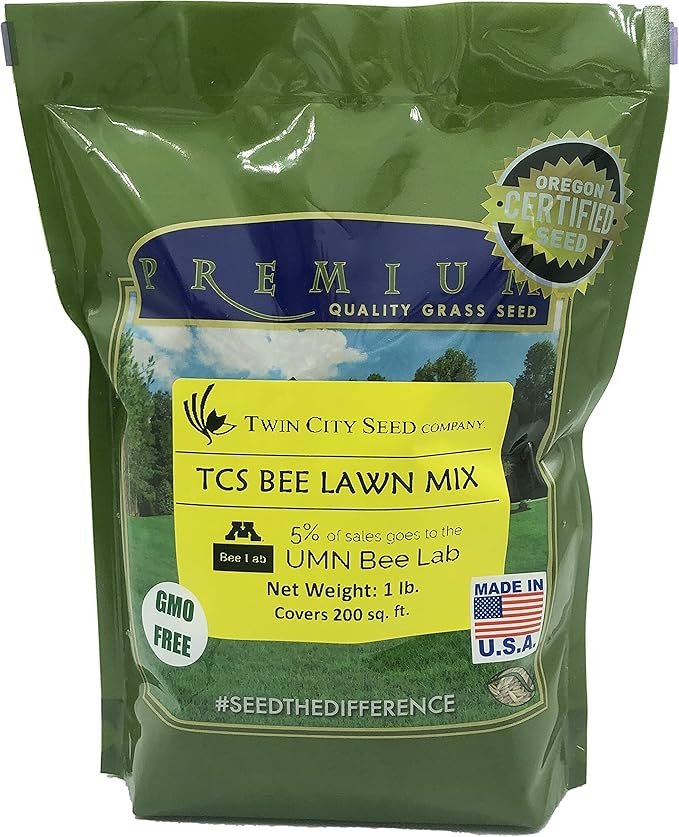
Our Favorite Pollinator Seed Mix: An easy way to guarantee a pollinator-friendly garden is with a curated seed packet. The Sow Right Seeds ‘Save the Bees’ Flower Mix contains a beautiful variety of blossoms like cosmos, borage, and zinnias that are perfect for containers and will turn your balcony into a buzzing bee bistro.
10. Practice Organic Pest Management
Forget the harsh chemical sprays. A healthy garden has a natural balance.
- Your first line of defense: A strong blast of water from a spray bottle can knock off many pests like aphids. Hand-picking larger pests like caterpillars is also highly effective.
- Neem Oil: This plant-based oil is a fantastic organic solution. Mixed with water and a drop of soap, it can be sprayed on plants to disrupt the life cycle of many common pests without harming beneficial insects.
The Gardener’s Mantra: Reduce, Reuse, Recycle
Bring the principles of sustainability into every aspect of your garden setup.
11. Get Creative with Upcycled Planters
Give a second life to old items by turning them into unique planters.
- Ideas: Tin cans, old coffee mugs, cracked colanders (they have built-in drainage!), wooden crates, and even old boots can become charming homes for your plants. Just make sure to drill drainage holes in the bottom of anything you use.
12. Ditch Plastic Plant Markers
Instead of buying plastic tags, make your own markers.
- DIY options: Write plant names on smooth, flat stones with a paint pen. Use old wooden spoons or popsicle sticks. Or break a cracked terracotta pot and write on the shards.
13. Stop Buying Seedlings, Start Swapping!
Connect with your community. Look for local seed swap events or online neighborhood groups. Trading seeds and extra seedlings is a wonderful way to increase the variety in your garden for free and build connections with other gardeners.
14. Save Your Seeds for Next Year
Seed saving is the ultimate act of garden sustainability. When you save seeds from your best-performing plants, you are gradually developing strains that are perfectly adapted to your unique microclimate.
- Easy seeds to start with: Let some of your cilantro, dill, or arugula plants flower and go to seed. Beans, peas, tomatoes, and marigolds are also excellent candidates for beginner seed savers.
15. Let Your Garden Feed Itself
Practice “chop and drop.” When you prune a plant or harvest leaves from an herb, leave the cuttings on the soil surface of the pot. As they decompose, they will return nutrients to the soil, creating a self-fertilizing closed-loop system.
Your Small Garden, Your Big Impact
Sustainable urban gardening isn’t about achieving perfection overnight. It’s about the joy of making small, conscious choices every day. It’s choosing the peat-free soil, saving your coffee grounds for the worm bin, celebrating the arrival of the first bee on your balcony. Each of these simple acts is a vote for a healthier planet.
Your garden, no matter how small, is a powerful statement. It is a declaration that even in the heart of the city, we can create, we can nurture, and we can build a more sustainable future.
What is the first sustainable tip you are most excited to try in your garden? Share your plans and ideas in the comments below!