Do you ever find yourself caught in the endless scroll, phone in hand, long after you intended to go to sleep? You’re not alone. In our hyper-connected world, the lure of screens—from social media feeds to streaming services—often keeps us wired and awake, even when our bodies are begging for rest.
This nightly digital habit isn’t just stealing a few hours of sleep; it’s actively sabotaging your ability to fall asleep, stay asleep, and wake up feeling truly refreshed. The truth is, the more we engage with our devices before bed, the more we disrupt our body’s natural sleep processes.
But what if a simple, intentional shift in your evening routine could unlock the secret to deeper, more restorative sleep? What if detaching from your devices for just an hour or two before bed was the key to transforming your nights and invigorating your days?
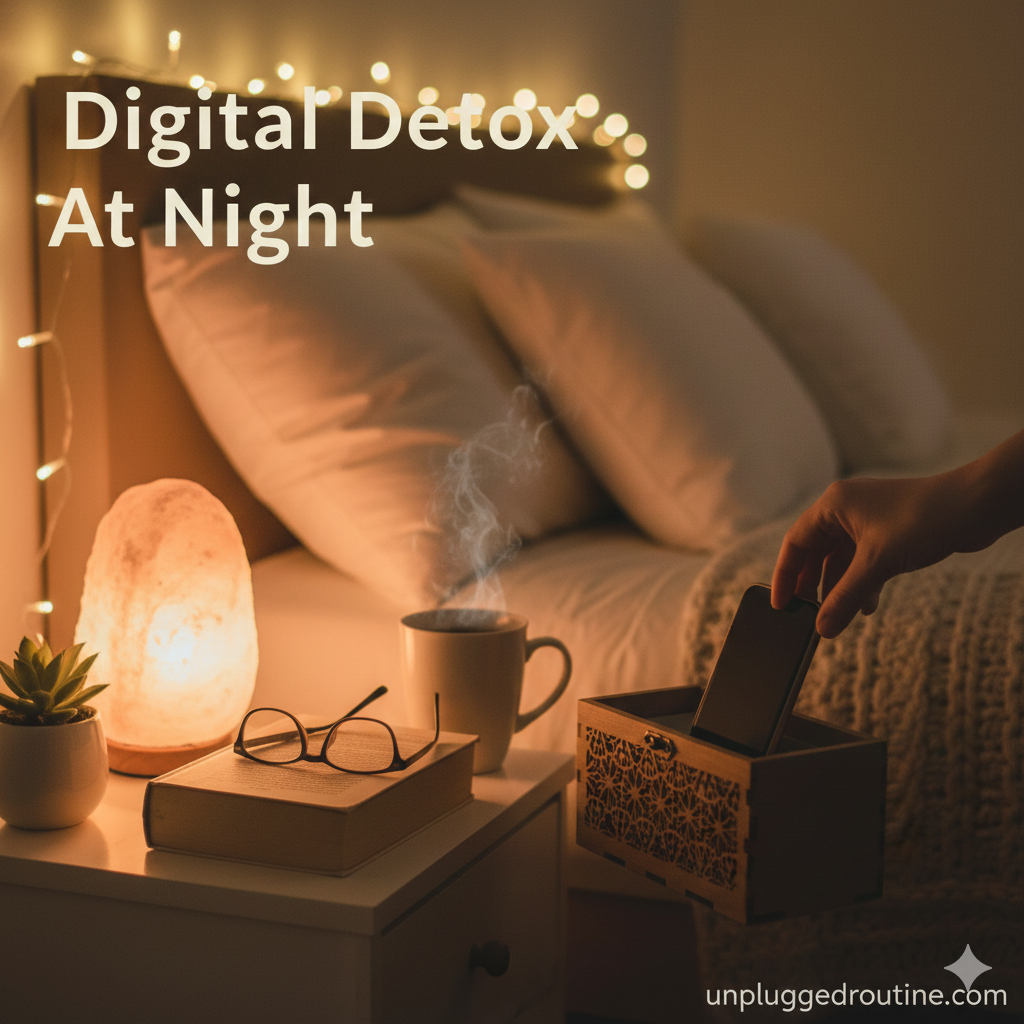
Welcome to the world of the Digital Detox at Night.
This comprehensive guide will explore why reducing screen time helps you sleep better by delving into the science behind screen use and sleep. We’ll uncover the hidden ways your devices are keeping you awake and equip you with practical, human-friendly strategies to reclaim your evenings and, ultimately, your sleep.
It’s time to dim the screens and brighten your path to a healthier, happier, and more well-rested you.
The Hidden Cost of Nighttime Screen Time
Before we dive into the “how” of a digital detox, let’s understand the profound “why.” Your devices are more than just harmless entertainment; they are potent disruptors of your natural sleep cycle. Here’s a closer look at the mechanisms at play:
1. The Blue Light Blocker:
Every phone, tablet, computer, and TV screen emits blue light. This specific wavelength of light is naturally abundant during the day, signaling to your brain that it’s broad daylight. When you expose yourself to blue light in the evening, your brain gets confused. It suppresses the production of melatonin, the crucial hormone responsible for signaling to your body that it’s time to get sleepy. Less melatonin means it takes longer to fall asleep and reduces the quality of the sleep you do get.
2. Mental Stimulation Overload:
Whether you’re checking emails, scrolling through social media, watching a suspenseful series, or even reading a captivating article, your brain is actively engaged. This mental stimulation keeps your mind alert and wide awake, making it incredibly difficult to transition into the calm, quiet state required for sleep. Your brain needs time to “defrag” and wind down, not ramp up.
3. The Anxiety Amplification:
Social media, news alerts, and even late-night work emails can trigger a cascade of emotions—stress, anxiety, comparison, fear of missing out (FOMO). These heightened emotional states release stress hormones like cortisol, which are directly antagonistic to sleep. It’s hard to relax when your body is in a state of alert.
4. Disrupted Circadian Rhythms:
Your body’s internal clock, or circadian rhythm, thrives on consistent light-dark cycles. Regular exposure to screens late into the night throws this delicate rhythm out of balance. Over time, a disrupted circadian rhythm can lead to chronic insomnia, daytime fatigue, and a host of other health problems.
5. Delayed Sleep Onset & Fragmented Sleep:
Even if you eventually do fall asleep after screen time, the quality often suffers. You might take longer to drift off, wake up more frequently during the night, and spend less time in the crucial deep and REM sleep stages, leaving you feeling less rested, even after a full night in bed.
The evidence is clear: for better sleep, reducing screen time at night isn’t just a good idea—it’s essential.
Why Reducing Screen Time Helps You Sleep Better: The Benefits Unpacked
Now that we understand the problems, let’s flip the script. What happens when you do reduce screen time before bed? The benefits are transformative:
1. Enhanced Melatonin Production:
By removing blue light exposure in the evenings, you allow your body to naturally produce melatonin, signaling to your brain that it’s time to prepare for sleep. This makes falling asleep feel more effortless and natural.
2. Calmer Mind, Less Tossing & Turning:
Without the constant influx of information and stimulation, your mind has a chance to slow down, process the day’s events, and quiet the internal chatter. This reduced mental activity is crucial for a smooth transition into sleep and minimizes restless nights.
3. Reduced Stress and Anxiety:
Stepping away from the digital world provides a much-needed break from potential stressors. Less exposure to social media comparison, negative news, or work pressures means fewer anxiety-inducing thoughts swirling in your head when you try to sleep.
4. Restored Circadian Rhythm:
Consistent dark evenings help re-establish your body’s natural sleep-wake cycle. This leads to more predictable sleep patterns, making it easier to fall asleep and wake up naturally, feeling energized.
5. Deeper, More Restorative Sleep:
When your body can produce melatonin efficiently and your mind is calm, you’re more likely to experience longer periods of deep sleep and REM sleep. These are the stages where your body repairs itself, consolidates memories, and processes emotions—leaving you truly revitalized.
The path to better sleep is literally in your hands (or rather, out of them!).
Practical Strategies for a Successful Digital Detox at Night
Implementing a digital detox at night doesn’t have to be drastic. It’s about making small, intentional changes that accumulate into significant improvements in your sleep. Here are actionable steps you can take:
1. Establish a “Digital Sunset” Rule:
This is your golden rule. Choose a specific time, ideally 60-90 minutes before your intended bedtime, after which all screens are off-limits. This includes phones, tablets, laptops, and even TV. This non-negotiable boundary is the single most effective step.
2. Create a “Charging Station” Outside the Bedroom:
Your phone doesn’t belong in your bedroom, especially not next to your bed. Invest in an old-fashioned alarm clock and designate a charging spot for all devices in another room (like the kitchen or living room). Out of sight, out of mind.
3. Embrace Analog Alternatives:
Replace screen-based activities with calming, offline alternatives. Instead of scrolling social media, read a physical book, write in a journal, do a puzzle, draw, or knit. These activities engage your mind in a gentle way without stimulating blue light.
4. Wind Down with Warmth:
A warm bath or shower about an hour before bed can work wonders. The temporary rise in body temperature, followed by a cooling effect, signals to your body that it’s time for sleep. Add Epsom salts or lavender essential oil for extra relaxation.
5. Implement a Calming Beverage Ritual:
Brew a cup of caffeine-free herbal tea (chamomile, lavender, valerian root) or enjoy some warm milk. The warmth and the calming properties of the herbs create a comforting pre-sleep ritual that signals relaxation.
6. Listen to Soothing Sounds:
Instead of watching TV, listen to instrumental music, nature sounds, a gentle podcast, or an audiobook. Ensure it’s audio-only and set a timer so it turns off automatically, preventing it from disturbing your sleep.
7. Practice Gentle Movement or Stretching:
Light, restorative stretches or a short session of gentle yoga can release physical tension and calm your nervous system. Avoid vigorous exercise close to bedtime, as it can be too stimulating.
8. Journal Your Thoughts Away:
If a busy mind keeps you awake, perform a “brain dump” in a journal. Write down any worries, to-do lists, or lingering thoughts from the day. This externalizes them, preventing them from swirling in your head when you’re trying to sleep.
9. Dim the Lights:
Just as blue light is bad, dim, warm light is good. In the hours leading up to bedtime, dim your household lights. Use lamps with warm-toned bulbs or even candles (safely, of course) to create a cozy, sleep-inducing ambiance.
10. Communicate Your Detox:
Let family members or close friends know about your “digital sunset” if you typically communicate late at night. This helps set expectations and reduces the urge to check your phone for late messages.
Making the Digital Detox a Sustainable Habit
Remember, consistency is key. Don’t aim for perfection overnight. Start with small, manageable steps and build from there.
- Be Patient: It might take a few nights for your body to adjust to the new routine. Stick with it.
- Be Forgiving: If you slip up, don’t beat yourself up. Just recommit to your digital detox the next evening.
- Track Your Progress: Notice how you feel. Do you fall asleep faster? Do you wake up feeling more rested? Journaling your sleep quality can be a great motivator.
- Customize Your Routine: Not every tip will work for everyone. Experiment to find the combination of unplugging activities that best suits your needs and preferences.
Conclusion: Reclaim Your Nights, Reclaim Your Sleep
The power to transform your sleep—and by extension, your energy, mood, and overall well-being—lies largely in your hands. By committing to a Digital Detox at Night, you’re making a conscious choice to prioritize your health over endless scrolling.
Reducing screen time isn’t about deprivation; it’s about liberation. It’s about freeing your mind from the digital noise, allowing your body to naturally prepare for the deep, restorative sleep it craves and deserves. When you unplug, you’re not just putting down your phone; you’re picking up peace, calm, and the promise of a truly refreshing night.
Don’t let your devices dictate your sleep quality any longer. Take control tonight. Your well-rested self will thank you.
Ready to start your journey to deeper, more restful sleep? Visit unpluggedroutine.com for more insights, practical tools, and resources to help you master your Digital Detox at Night and create a sustainable, unplugged routine for life!