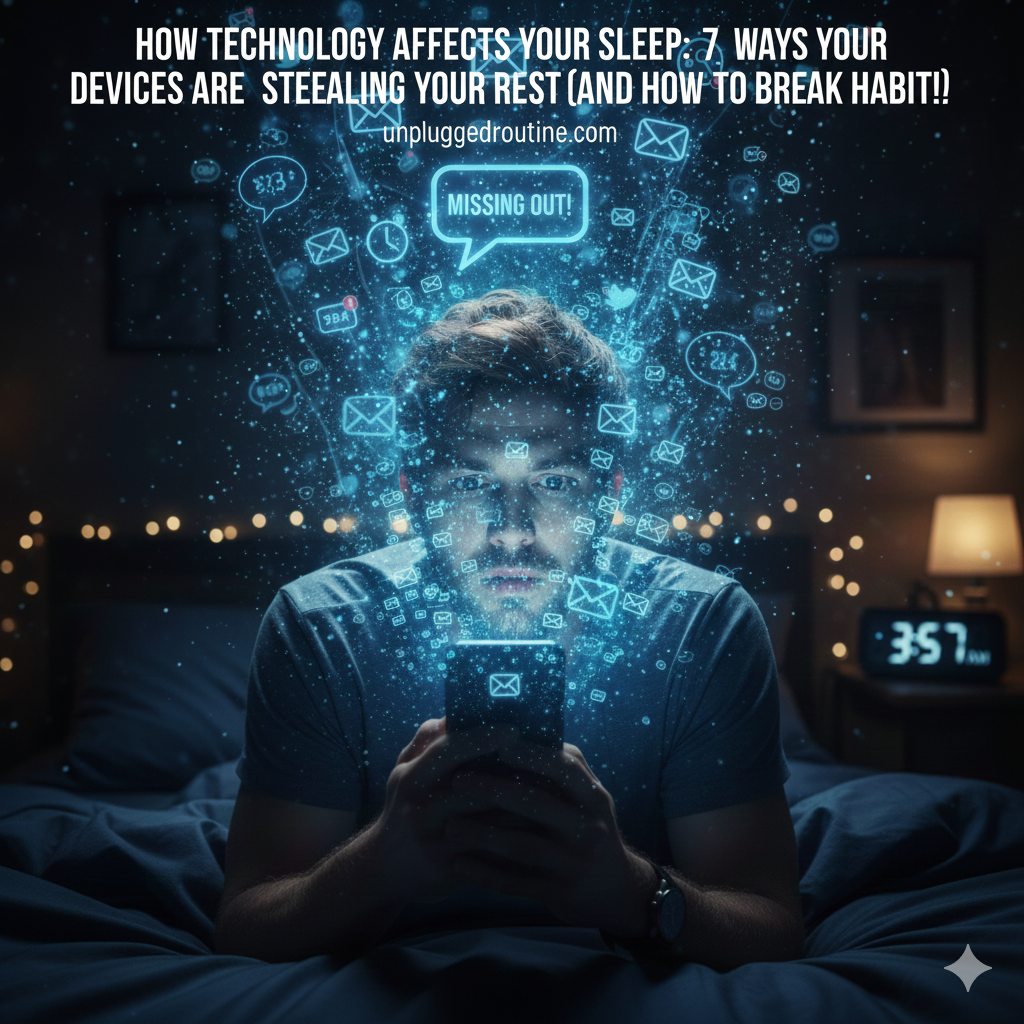
Ever feel like your phone has a magnetic pull on you, especially when you should be winding down for bed? You’re not alone. In our hyper-connected world, technology is an undeniable part of our daily lives – and often, our nightly routines. But here’s the unsettling truth: the very devices designed to connect us can actively disconnect us from the restorative sleep we desperately need.
It’s a silent epidemic. Millions of us are unknowingly sacrificing precious hours of quality sleep, all thanks to the glowing screens that accompany us right up until our heads hit the pillow. We wake up groggy, irritable, and less productive, yet many of us don’t connect the dots back to that late-night scrolling session or binge-watching episode.
At Unplugged Routine, we believe in empowering you to take back control of your sleep and your well-being. We understand the allure of technology, but we also know the profound impact it has on our bodies and minds. This isn’t about ditching tech entirely; it’s about understanding its influence and learning how to cultivate healthier habits.
This comprehensive guide will uncover 7 crucial ways technology affects your sleep, backed by science, and then equip you with actionable strategies to break free from these detrimental patterns. Let’s reclaim your nights and wake up feeling truly refreshed!
The Digital Sleep Thief: Understanding the Problem
Before we dive into the solutions, let’s confront the problem head-on. Technology isn’t inherently evil, but its ubiquitous presence in our bedrooms has created a perfect storm for sleep disruption. Understanding how it affects you is the first step toward making meaningful changes.
From the blue light beaming into your eyes to the endless stream of stimulating content, your devices are actively signaling to your brain that it’s time to be awake and alert, rather than winding down. This isn’t just about feeling tired; it can lead to chronic sleep deprivation, impacting everything from your mood and cognitive function to your physical health.
Let’s pull back the curtain on the subtle (and not-so-subtle) ways your beloved tech is stealing your slumber.
1. The Blue Light Bomb: Crushing Melatonin Production
This is arguably the most significant way technology affects your sleep. All digital screens – phones, tablets, laptops, TVs – emit a spectrum of light, with a significant portion being blue light.
The Science: Our bodies have an internal clock, the circadian rhythm, which regulates our sleep-wake cycle. Melatonin, often called the “sleep hormone,” is crucial for this process. Its production naturally increases in the evening as daylight fades, signaling to your body that it’s time to prepare for sleep. Blue light, however, closely mimics daylight. When your eyes are exposed to blue light in the evening, your brain interprets it as daytime, actively suppressing melatonin production.
The Impact: Less melatonin means it takes longer to fall asleep, and your body doesn’t get the strong internal signal it needs for a deep, restorative sleep. Even if you eventually drift off, the quality of that sleep can be compromised.
2. Mental Overstimulation: Brains On Overdrive
Beyond the light, the content on your screens can be incredibly stimulating, keeping your brain wide awake when it should be powering down.
The Science: Social media feeds, thrilling TV shows, addictive games, breaking news alerts, work emails – they all demand your attention and engage your cognitive functions. This stimulation increases brain activity, adrenaline, and cortisol (the stress hormone).
The Impact: Your mind becomes overactive, making it difficult to quiet the “noise” and transition into a calm, relaxed state necessary for sleep. You might find yourself replaying conversations, worrying about upcoming tasks, or getting caught up in digital drama, all of which delay sleep onset.
3. The Urge to Respond: Notification Anxiety
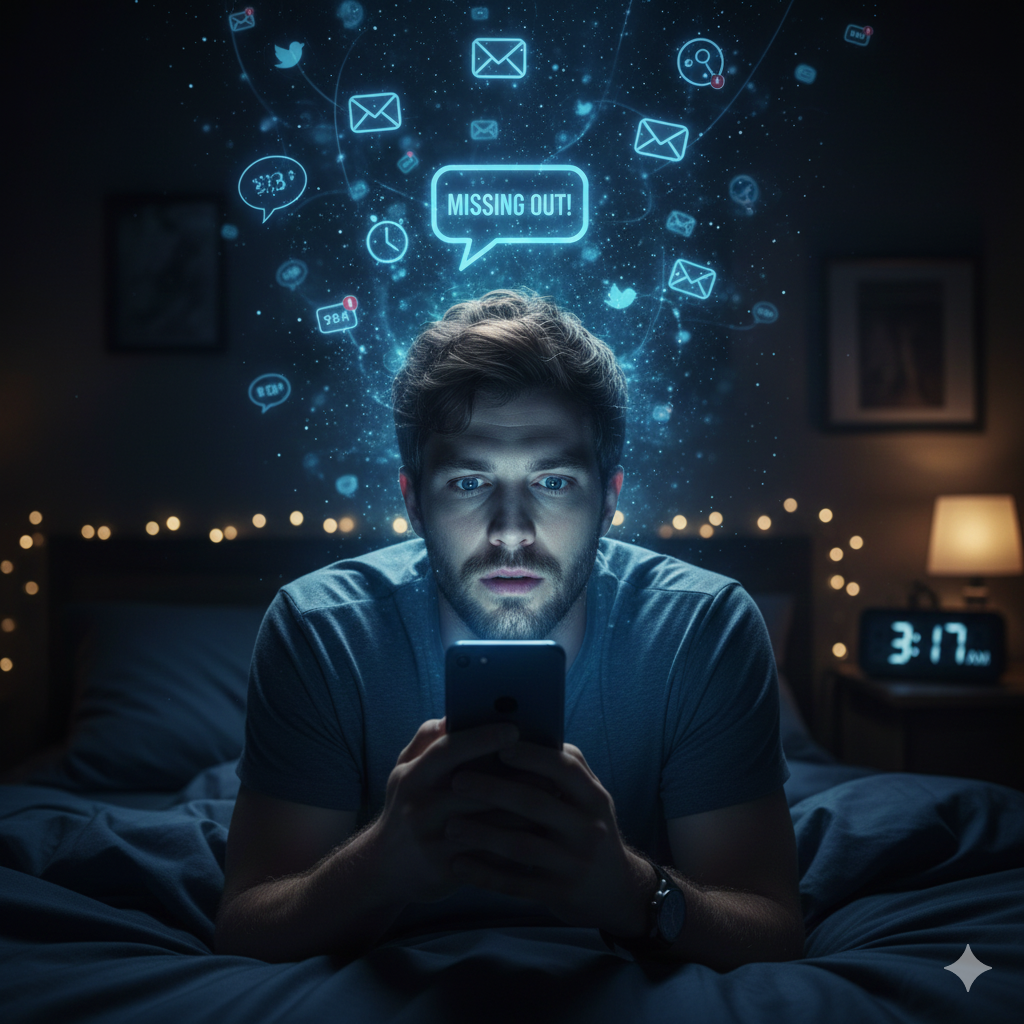
That little “ping” or vibrate from your phone isn’t just a sound; it’s a call to action that can trigger anxiety and interrupt your peace.
The Science: Our brains are wired to respond to novelty and potential threats. Notifications, even seemingly innocuous ones, can activate this response, releasing adrenaline and spiking alertness. The fear of missing out (FOMO) or the pressure to respond can keep you mentally tethered to your device.
The Impact: Even if you silence your phone, the anticipation of a notification can keep you subtly vigilant. When a notification does come through, it can jolt you awake or pull you back into mental engagement, making it harder to return to a pre-sleep state.
4. Sleep Onset Delay: Taking Longer to Fall Asleep
All of the above factors culminate in one frustrating outcome: it takes you longer to actually fall asleep.
The Science: When melatonin is suppressed, your brain is stimulated, and your body is on alert, the natural physiological process of drifting off to sleep is significantly hindered. Your brain simply doesn’t get the correct cues or the calm environment it needs to initiate sleep.
The Impact: Lying awake, tossing and turning, can lead to anxiety about not sleeping, creating a vicious cycle. This sleep onset delay can chip away at your total sleep time, leading to chronic sleep deprivation even if you go to bed at a reasonable hour.
5. Fragmented Sleep: Waking Up Throughout the Night
It’s not just about falling asleep; technology can also disrupt the quality and continuity of your sleep.
The Science: Exposure to blue light and mental stimulation close to bedtime doesn’t just delay sleep; it can also interfere with the natural progression through sleep stages. You might spend less time in crucial deep sleep (NREM stage 3) and REM sleep, both vital for physical and mental restoration.
The Impact: Even if you don’t fully wake up, your sleep can be lighter and more fragmented. This means you might wake up feeling like you haven’t slept at all, even after spending hours in bed. These micro-awakenings can significantly reduce the restorative power of your sleep.
6. Blurred Boundaries: Work Creeping into Bed
For many, technology has erased the lines between work, life, and personal downtime, especially in the bedroom.
The Science: With smartphones and laptops, it’s easy to check one last email, finish a project, or engage in work-related tasks from the comfort of your bed. This blurs the psychological boundary between your workspace and your sleep space.
The Impact: When your bedroom becomes an extension of your office, your brain starts to associate it with stress, productivity, and alertness rather than rest and relaxation. This makes it incredibly difficult to switch off and truly unwind when it’s time for sleep.
7. Dependence and Habit Formation: The Addiction Loop
Perhaps the most insidious way technology affects your sleep is by fostering a strong, often subconscious, habit loop that’s hard to break.
The Science: Our brains are wired for reward. Every time you get a like, a new message, or progress in a game, your brain releases dopamine, a feel-good neurotransmitter. This creates a powerful reward system that reinforces the habit of checking your devices, especially when you’re bored or trying to avoid other thoughts.
The Impact: Over time, checking your phone before bed becomes an ingrained habit, almost like an addiction. It feels “normal” and necessary, even though it’s detrimental to your sleep. Breaking this habit requires conscious effort and replacement strategies.
How to Break the Habit: Your 5-Step Action Plan
Understanding the problem is half the battle. Now, let’s equip you with actionable strategies to reclaim your sleep from the clutches of technology. This isn’t about deprivation; it’s about intentional living and better choices.
Step 1: Establish a “Digital Curfew”
This is perhaps the single most impactful change you can make.
- The Rule: Choose a specific time (e.g., 60-90 minutes) before your desired bedtime when all screens go off. This means phones, tablets, laptops, and even TV.
- Start Small: If an hour feels too daunting, start with 30 minutes and gradually increase it. The goal is to create a buffer zone between screen time and sleep time.
- Enforce It: Treat your digital curfew as non-negotiable. This takes discipline, but the benefits for your sleep are immense.
Step 2: Banish Screens from the Bedroom
Your bedroom should be a sanctuary for sleep and intimacy, not a tech hub.
- The Rule: Remove all screens from your bedroom. This includes your phone, tablet, laptop, and even the TV.
- Create a Charging Station: Designate a spot outside your bedroom (e.g., in the kitchen or living room) where all devices are charged overnight. This eliminates the temptation to grab your phone if you wake up.
- Get an Alarm Clock: If you use your phone as an alarm, invest in a good old-fashioned alarm clock. It’s a small change with a huge impact.
- Deal with FOMO: Remind yourself that the world won’t end if you don’t respond to a message immediately. What’s more important: an instant reply or a good night’s sleep?
Step 3: Cultivate a Calming “Unplugged Routine”
Nature abhors a vacuum. If you simply remove screens without replacing them, you’ll feel bored and more likely to revert to old habits.
- Replace with Restorative Activities: Fill your screen-free time with calming activities that prepare your body and mind for sleep. Think:
- Reading a physical book: Immerse yourself in a story without blue light.
- Journaling: Dump your thoughts and worries onto paper.
- Listening to calming music or an audiobook/podcast: Engage your ears, not your eyes.
- Gentle stretching or yoga: Release physical tension.
- Meditation or deep breathing: Quiet your mind.
- Taking a warm bath or shower: Signal relaxation to your body.
- Connecting with a loved one (screen-free): Engage in genuine conversation.
- Sipping herbal tea: A warm, soothing ritual.
- Make it a Ritual: Consistency is key. Do these activities around the same time each night to train your body to expect sleep.
Step 4: Optimize Your Device Settings (for daytime use)
While the goal is to remove screens before bed, you can still mitigate their impact during the day or if you absolutely must use them in the evening (though this should be avoided).
- Night Shift/Blue Light Filters: Most phones and computers have a “Night Shift” or “blue light filter” setting that reduces blue light emissions, making the screen warmer. Turn this on automatically in the evenings.
- Dark Mode: Use dark mode settings on apps and operating systems, which can be easier on the eyes in low light.
- Brightness Control: Dim your screens as much as possible, especially in the evening.
Step 5: Be Patient, Persistent, and Forgiving
Breaking any habit, especially one as ingrained as tech use, takes time and effort.
- Expect Setbacks: You won’t be perfect every night. There will be times you slip up, and that’s okay. Don’t let one lapse derail your entire effort.
- Learn from Your Slips: If you find yourself scrolling, gently redirect yourself. What triggered it? How can you prevent it next time?
- Celebrate Small Wins: Acknowledge every night you stick to your digital curfew or choose a screen-free activity. Positive reinforcement is powerful.
- Focus on How You Feel: Pay attention to the subtle improvements in your sleep, mood, and energy levels. These benefits will motivate you to continue.
Conclusion: Reclaim Your Rest, Reclaim Your Life
The modern world is designed to keep us connected, but sometimes, the best connection we can make is with ourselves – especially when it comes to sleep. Understanding how technology affects your sleep isn’t about fear-mongering; it’s about empowerment. It’s about recognizing the silent ways your devices are stealing your rest and giving you the tools to fight back.
By implementing a digital curfew, banishing screens from the bedroom, and cultivating a soothing unplugged routine, you can break the detrimental habit of late-night tech use. You have the power to transform your evenings from digitally overstimulated to serenely restorative.
Imagine waking up truly refreshed, energized, and ready to embrace the day. That’s not a dream; it’s an achievable reality when you prioritize your sleep over your screen. Take the first step tonight. Your mind and body will thank you.
Ready to break free from the digital sleep trap and embrace a more restful existence? Visit unpluggedroutine.com for more tips, resources, and a supportive community dedicated to helping you disconnect to reconnect with better sleep and a more fulfilling life. Start your journey to restorative rest today!