The Ultimate Guide to Your Unplugged Evening Routine
Hook Step 1: The Modern Sleep Trap
Ever feel wired and tired at the same time? You crash on the couch after a long day, pull out your phone for “just a minute,” and suddenly it’s 11:30 PM. You close your eyes, but your brain is buzzing, wide-awake. You’re not alone.
In our 24/7 digital world, we’ve inadvertently created a massive sleep enemy—one that’s hiding in the palm of your hand and radiating from your living room TV: blue light.
But here’s the good news: you have the power to fight back, naturally.
This isn’t about ditching your tech forever (we know that’s not realistic!). It’s about understanding the simple science behind blue light and implementing 7 easy, natural steps to reclaim your restful nights. Ready to finally protect your sleep and wake up truly refreshed?
🔬 The Science of the Struggle: Why Blue Light Steals Your Sleep
To truly beat this modern sleep thief, we first need to understand how it works. The relationship between light and sleep is ancient, a fundamental part of human biology known as the circadian rhythm.
The Internal Clock and the Light Switch
Your body has a masterful internal clock, a 24-hour cycle that regulates everything from hunger to body temperature. The most powerful timer for this clock is light.
Historically, bright daylight meant wake up and be alert, and the absence of light (darkness) meant wind down and go to sleep.
Melatonin: Your Body’s Sleep Signal
The hormone that signals “time for bed” is called melatonin. As the sun sets and the environment darkens, a small gland in your brain called the pineal gland begins to secrete melatonin. This is your body’s natural way of helping you feel drowsy and ready for deep, restorative sleep.
The Blue Light Problem: Mimicking the Sun
Blue light is a specific, short-wavelength light in the visible spectrum. It’s abundant in natural daylight and is fantastic for boosting your mood, alertness, and cognitive function during the day.
The issue is that digital screens (smartphones, tablets, laptops, LEDs) emit a high concentration of this very same blue light.
When you expose your eyes to this blue light in the evening, your brain gets completely confused. It registers the blue light as a sign of daytime, instantly slamming the brakes on your melatonin production.
The Domino Effect
- Blue Light Exposure $\rightarrow$ Melatonin Suppression (The “Sleep Signal” is stopped)
- Melatonin Suppression $\rightarrow$ Circadian Rhythm Delay (Your internal clock shifts later)
- Circadian Rhythm Delay $\rightarrow$ Increased Alertness $\rightarrow$ Trouble Falling Asleep (High Sleep Latency) and Reduced Quality of Sleep.
By interrupting your body’s natural wind-down process, blue light exposure doesn’t just make it harder to fall asleep; it degrades the quality and duration of your precious rest. It is a direct attack on your ability to naturally protect your sleep.
✨ 7 Natural Ways to Protect Your Sleep and Neutralize Blue Light
You don’t need a medical degree or expensive equipment to win this battle. The best methods involve simple, natural changes to your nightly routine and light environment. Here are 7 highly-effective, science-backed steps you can take starting tonight.
1. 🌅 Implement a Digital Sunset (The Golden Hour)
This is the most powerful tool in your arsenal. The goal is to simulate a natural sunset for your body.
- The Rule: Shut down all unnecessary digital screens—TVs, phones, laptops—at least 90 minutes to 2 hours before you plan to go to sleep.
- Why it Works: This gives your brain the necessary window of darkness to start producing peak melatonin levels. Studies show that even a two-hour exposure to a tablet screen can suppress melatonin by over 50%. Giving yourself this “digital curfew” is the number one way to naturally protect your sleep.
- The Unplugged Routine: Use this time to engage in relaxing, screen-free activities (see step 6).
2. 💡 Switch to Sleep-Friendly Lighting (The Redder, The Better)
Not all indoor lighting is created equal. Many modern, energy-efficient LED and fluorescent bulbs emit significant blue light, even after you put your phone down.
- The Hack: In the hours leading up to bedtime, switch your ambient lighting to a warmer, dimmer color.
- Warm Tones: Look for red, amber, or orange low-wattage bulbs (ideally under 1500 Kelvin). These colors have the least impact on melatonin production.
- Use Specific Lamps: Instead of bright overhead lights, use small bedside lamps or even salt lamps in the evening. This limits the total amount of light hitting your retina. You want your home to feel like a cozy, dim cave before bed.
3. 👓 Embrace Amber-Tinted Glasses (A Physical Filter)
If your job or lifestyle absolutely requires you to look at a screen after the sun goes down, blue-light-blocking glasses are a fantastic natural filter.
- The Difference: Look for glasses with deep amber or orange lenses. Clear-lensed glasses often only block a fraction of blue light. The amber tint is key because it physically blocks the critical wavelengths (450–480 nm) that suppress melatonin.
- How to Use Them: Put them on as soon as the sun sets, or at least two hours before bed, and keep them on until you turn out the lights.
- Science Says: Research has shown that wearing amber-tinted glasses for just three hours before bed can significantly increase melatonin levels and improve self-reported sleep quality.
4. ⚙️ Activate Device Night Settings (The Digital Color Shift)
Your phone, tablet, and computer likely have built-in features to reduce blue light—you just need to use them!
- Night Shift/Night Mode: On iOS, Android, and most computers, there’s a setting that automatically shifts the screen’s color temperature to a warmer, more yellow/orange hue after sunset.
- Turn it Up: Maximize the warmth setting. The screen should look noticeably orange or even red in a dark room.
- Dark Mode: When available, use “Dark Mode” on apps and operating systems. This replaces bright white backgrounds with black, significantly reducing the overall light output and making the screen gentler on your eyes in the dark.
5. ☀️ Seek Morning Sunlight (The Circadian Reset)
While the focus is on avoiding blue light at night, getting the right kind of light at the right time is just as important for your natural sleep protection.
- Morning Dose: Within 30 minutes of waking up, step outside for 10 to 30 minutes of bright, natural sunlight.
- The Benefit: This morning light exposure, rich in blue wavelengths, tells your internal clock, “It is officially daytime, start the 24-hour cycle now!” This strong, timely signal anchors your circadian rhythm, making your body more prepared to release melatonin exactly when you need it at night.
6. 🧘 Adopt an Unplugged Wind-Down Routine (The New Normal)
Replacing screen time with calming, non-stimulating activities is perhaps the most natural way to protect your sleep. It’s the essence of the unplugged routine.
- Calm Activities to Try:
- Read a Physical Book: Avoid e-readers unless they have a true amber/red light setting.
- Journaling: Writing down thoughts or worries can clear your mind.
- Gentle Stretching or Yoga: Calms the nervous system.
- Listen to a Podcast or Music: Use a speaker instead of headphones/screens.
- Meditate or Practice Deep Breathing: Gets you out of your head and into your body.
Keep your wind-down routine consistent. A routine cues your brain that the sleep phase is approaching, further enhancing the natural melatonin release.
7. 🛏️ Make Your Bedroom a Digital-Free Sanctuary (The Sacred Space)
Your bedroom should be a temple dedicated to sleep and intimacy—not a secondary office or entertainment center.
- The No-Screen Zone: Absolutely no screens (TV, laptop, phone) in the hour before getting into bed. Ideally, leave the phone charging outside the room entirely.
- Total Darkness: Use blackout curtains or shades to ensure the room is as dark as possible. Even small lights from a charger or a digital clock can be enough to disrupt your sleep cycle.
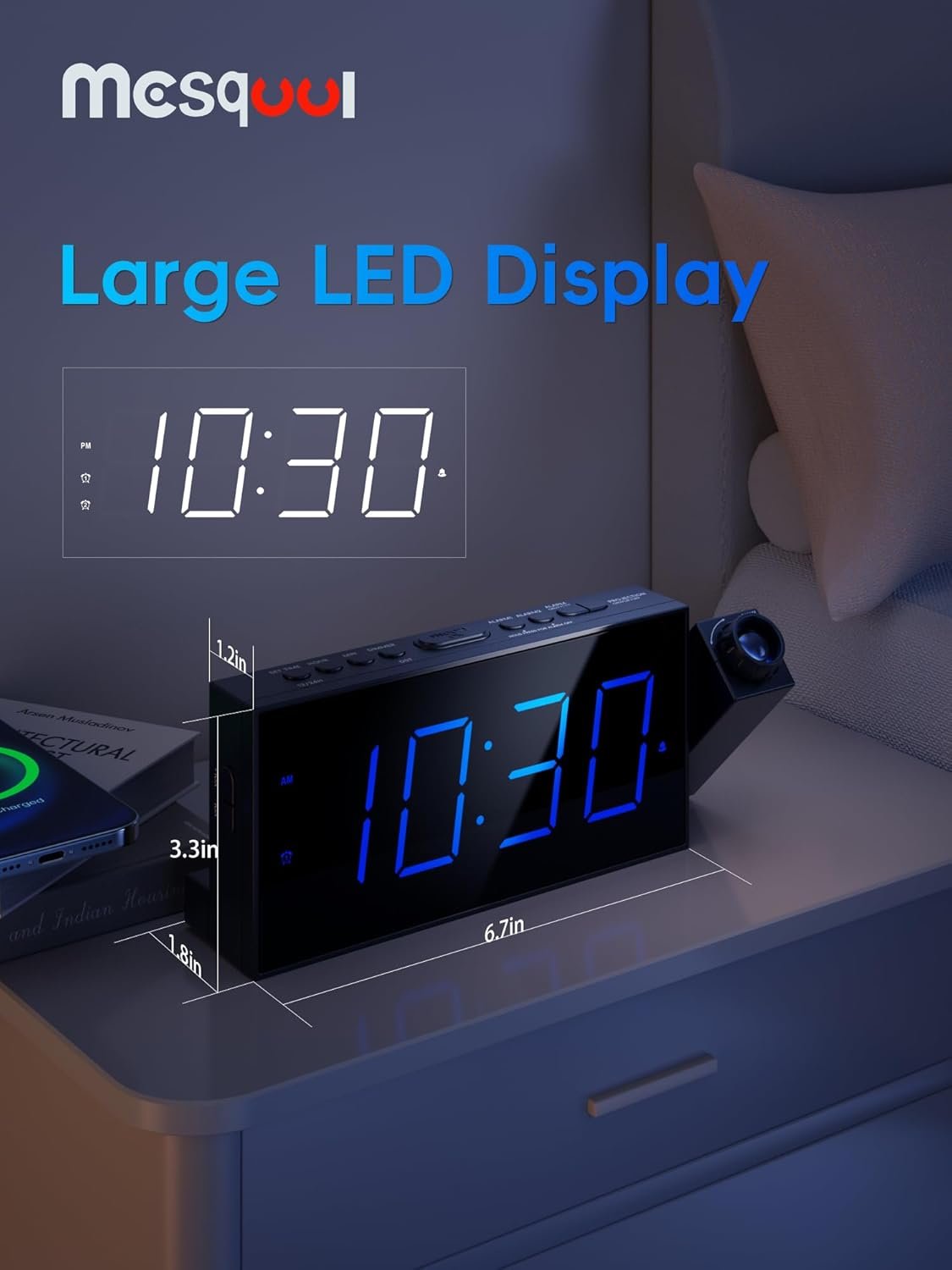
- The Red Clock: If you need a clock, use one with a red-LED display, as red light is the least disruptive to melatonin production.
🔑 Your Path to Deep, Restorative Sleep
The challenge of blue light is real, but your body’s ability to naturally regulate itself is even more powerful. The fight to protect your sleep isn’t about expensive gadgets or complicated routines; it’s about honoring your ancient biological clock.
By integrating the 7 Science-Backed Steps into your evening, you are giving your body the permission it needs to do what it’s designed to do: rest, restore, and repair.
Start small. Maybe tonight you implement the Digital Sunset, or you finally try those amber-tinted glasses. Consistency is the key to creating a powerful Unplugged Routine.
Your best sleep is waiting for you.
Conclusion: Take Action and Reclaim Your Rest
You’ve learned the science, and you have the steps. Now it’s time to take action. Stopping the sabotage of blue light is one of the single most effective things you can do for your health, mood, and productivity.
Ready to start your natural sleep transformation?
💡 Call to Action: Which of the 7 steps will you implement tonight? Share this post with a friend who needs a better night’s sleep, and then click here to download our free, printable “7-Day Unplugged Routine Checklist” to help you make these natural blue light protection strategies a permanent habit!