The Tyranny of the Tiny Screen
Stop for a moment and look around your home. How many screens can you see? One? Three? More?
For many of us, our phone has become less of a tool and more of a third limb—always within reach, always demanding our attention. We scroll in bed, check emails while cooking, and feel that familiar twitch of anxiety when the battery dips below 20%.
Our homes, once sanctuaries, have become extensions of our digital workspace. We’ve lost the space where we can simply be without the constant hum of connectivity.
But what if you could carve out a sacred space? A pocket of peace in your own house where the rules of the digital world simply don’t apply?
This is the power of the Digital-Free Zone (DFZ). It’s not about abandoning technology entirely; it’s about reclaiming your space, your focus, and your sanity.
Ready to take back your home and your mind? This comprehensive, step-by-step guide is your blueprint. We’re giving you the 8 essential secrets not just for creating a DFZ, but for making it an unbreakable, life-changing routine.
Let’s dive into the two crucial phases of your journey: creation and commitment.
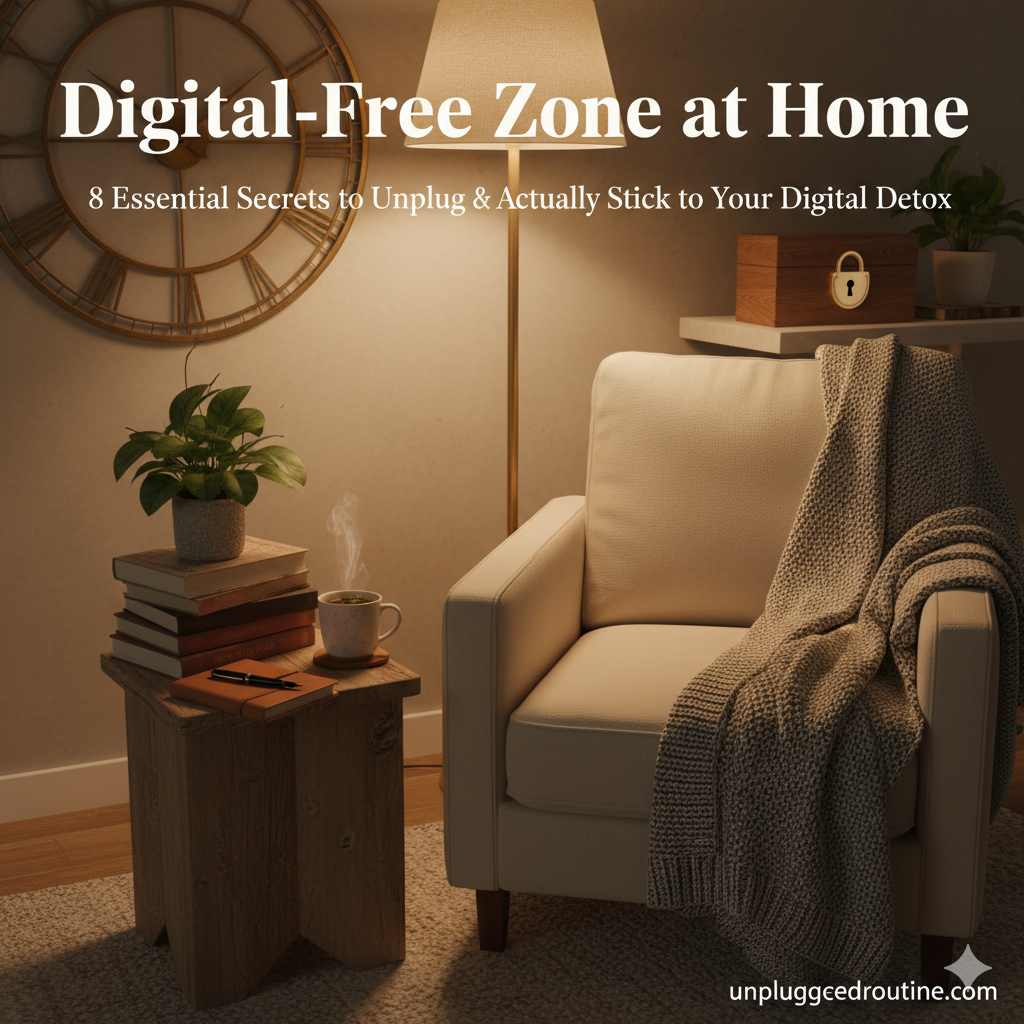
Phase 1: The Blueprint – Creating Your Digital-Free Zone (DFZ)
A successful DFZ starts with intention and physical design. You must make the digital-free choice the easiest one to make.
Secret 1: Define Your “Why” and Your “Where”
A vague goal is a failed goal. You can’t just wish for “less screen time.” You need surgical precision.
Your “Where”: Choose a Specific Location
Where does the digital noise bother you most? Is it the living room where family conversation dies in favor of Netflix? Is it your bedroom, where scrolling ruins your sleep?
Action Step: Select one specific room or area. The Bedroom and the Dining Table are the two most powerful places to start. Make the rule concrete: “No digital devices (phones, tablets, laptops, e-readers) in the Bedroom from 9 PM to 7 AM.”
Your “Why”: Fuel the Motivation
You need a powerful emotional reason to push past the initial discomfort. Why are you doing this?
Write down your “why.” Is it to read 52 books this year? To be truly present with your kids during dinner? To stop staring at the ceiling for an hour before falling asleep? Post your “why” in your DFZ. This is your mission statement.
Secret 2: Establish the Golden Hours
While some people aim for a full 24/7 DFZ, it’s often more sustainable to define Golden Hours of unplugging. This concept reduces the feeling of deprivation.
What are the non-negotiable times when your focus and presence are most needed?
Example Golden Hours:
- The first hour after waking up.
- The hour before bedtime.
- All mealtimes, even if you are eating alone.
- Dedicated family time (e.g., Saturday mornings).
By restricting your goal to specific, high-value time slots, you give yourself a break and amplify the feeling of success when you stick to it. Consistency in these golden hours is key to forming a habit.
Secret 3: The Digital ‘Decommissioning’ Ritual
Friction is the enemy of good habits. The harder it is to grab your phone, the less likely you are to do it.
To solve this, you need a clear, physical ritual that separates you from your tech. This is the Decommissioning Ritual.
The Setup: Create a designated “Tech Graveyard” or Charging Station outside your DFZ. This must be the final resting place for your devices overnight or during your Golden Hours.
The Ritual: Every night, before you enter your DFZ (e.g., the bedroom), you ceremoniously place all devices on the charger. Then, you shut the door. The simple physical act of walking away is a powerful psychological shift.
The Charging Station should be ugly and uninviting. The DFZ should be beautiful and cozy. Design your environment to reward the behavior you want to encourage.
Secret 4: Curate the Analog Atmosphere
A Digital-Free Zone that is just empty will inevitably invite the phone back in. Nature abhors a vacuum, and your mind abhors boredom.
You must replace the function of your phone with physical, analog substitutes. This is where you make your DFZ genuinely rewarding.
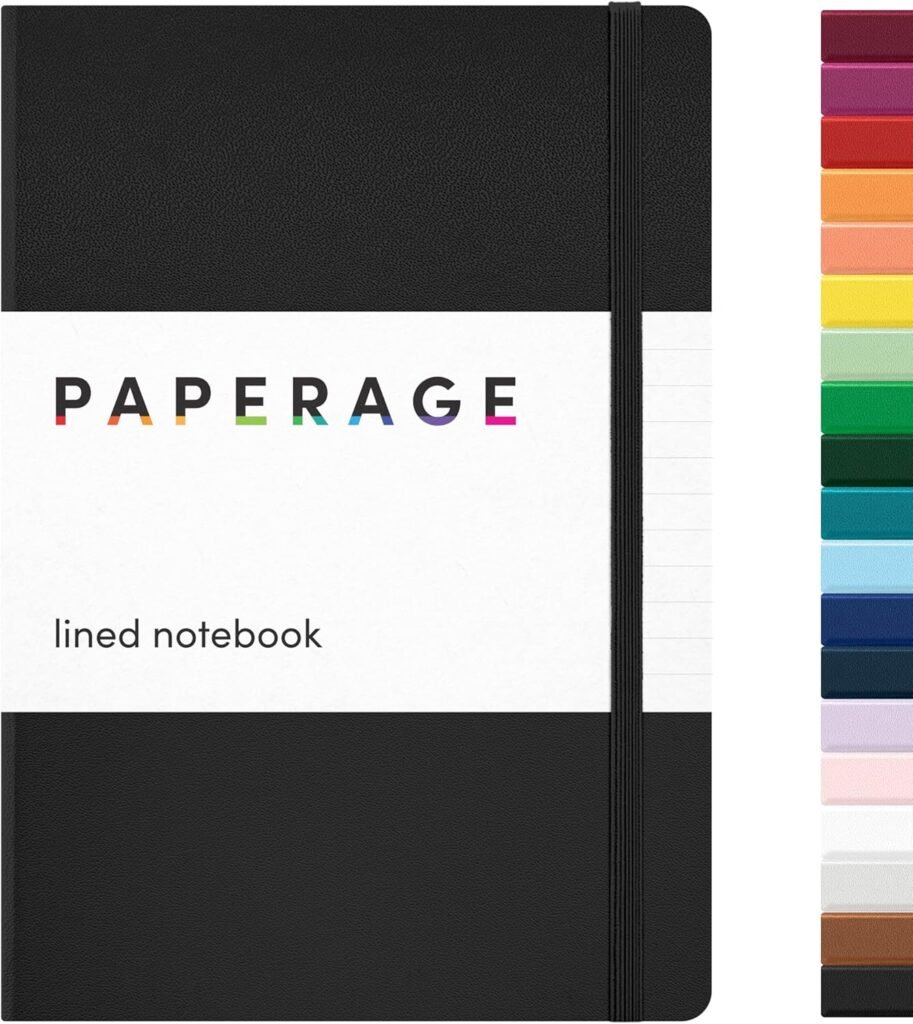
Ideas for Analog Replacements:
- For News/Information: A stack of physical books, magazines, or a newspaper.
- For Entertainment: A deck of cards, a journal, an adult coloring book, or a musical instrument.
- For Calming Noise: A simple turntable or a dedicated radio that plays music (not news).
- For Connection: Board games or a stack of conversation cards for family or partners.
Make your DFZ visually appealing. Add comfortable throws, soft lighting, and perhaps a lovely-smelling essential oil diffuser. Your brain should associate this area with relaxation, not stimulation.
Phase 2: The Stick-to-It Strategy – Making Your DFZ Unbreakable
Creating the space is only half the battle. Sticking to it requires foresight, planning, and a few clever psychological tricks. This is the commitment phase.
Secret 5: The Physical Barrier Method (The Charging Station Upgrade)
We already established the Charging Station, but to truly stick to the DFZ, we need to create an actual physical barrier—a moat around your castle.
Invest in a lock box, safe, or timed lock container specifically for your phone. This may sound extreme, but it works by introducing “friction.”
When the phone is locked away, you can’t make an impulsive decision to grab it. You have to consciously commit to retrieving a key or waiting for a timer to end. That moment of friction is often enough for your rational mind to kick in and override the dopamine-seeking impulse.
This tool is especially useful for those late-night scrolling habits that sabotage your sleep.
Secret 6: The “One-Touch” Rule for Exceptions
Emergencies happen. Some jobs require being “on-call.” The absolute zero-tolerance policy can sometimes lead to guilt and a total collapse of the DFZ commitment.
Instead, implement the “One-Touch” Rule for necessary exceptions.
If a device must be near (e.g., an on-call work phone), it is only allowed to be touched for its primary, agreed-upon function.
Example: If your DFZ is the dining table, and you need to look up a recipe, you have one touch to open the recipe app. No checking Instagram, no peeking at emails. Immediately put the device back down, screen locked. This trains your brain to use the device as a tool, not a temptation.
Secret 7: The Buddy System and Social Accountability
Habits are easier to build when you are not building them alone. If you live with family, roommates, or a partner, this is your secret weapon.
Make the DFZ rules a group agreement. Post the rules prominently in the space.
Accountability Rules:
- Gentle Call-Outs: Agree that anyone in the house can gently call out another person who breaks the rule (e.g., a simple, “Oops, is that phone supposed to be here?”). This removes the conflict and makes it a shared mission.
- Shared Rewards: Decide on a joint reward for a successful week of DFZ commitment—a trip to the park, ordering a favorite dinner, or a family game night.
The key is to frame the DFZ as a collective wellness goal, not a punishment enforced by one person.
Secret 8: Gamify Your Unplugging Success
Your phone offers endless little rewards: likes, notifications, and completed tasks. Your unplugged life needs its own reward system to compete.
Make a Scorecard: Keep a simple calendar or whiteboard near your DFZ. Give yourself a star, a checkmark, or a sticker every day you successfully uphold your DFZ commitment.
Small, Immediate Rewards:
- After a successful hour, reward yourself with 10 minutes of reading a great book.
- After a successful evening, reward yourself with 15 minutes of uninterrupted quiet time with a cup of tea.
These small, immediate, and analog rewards train your brain to associate the DFZ with positive feelings and personal achievement, not boredom.
Troubleshooting the Tech Temptations
Even with the best planning, the pull of the digital world is strong. Let’s address the most common reasons a DFZ fails.
The Fear of Missing Out (FOMO) Countermeasure
FOMO is a powerful psychological force. It tricks us into believing that checking our phone right now is essential.
The Reality Check: In almost every case, a notification, email, or social update can wait an hour or two.
The Tactic: Before entering your DFZ, send one simple text message to anyone you might be expecting communication from: “Hey, going screen-free for the next 2 hours for a digital detox. I’ll check messages again after 8 PM. Talk soon!”
This simple act alleviates the anxiety, sets a clear boundary for others, and affirms your commitment.
Dealing with Necessary Exceptions (Work/Emergency)
If you must have a device for a genuine, life-altering emergency (e.g., a child at college, an elderly parent), use a designated “Emergency Phone” that has nothing but the phone, text, and emergency contact numbers.
Keep your main, distraction-filled smartphone locked away. Use a basic flip phone, or strip your main phone of all social media and email apps before you start your detox period. Use the phone as a tool, not a mini-casino.
When the DFZ Fails: The Gentle Reset
You will fail. You will inevitably pick up your phone when you didn’t mean to, especially in the early days.
This is not a reason to quit.
The biggest mistake people make is turning one slip-up into a total relapse. If you break the rule, simply acknowledge it without judgment and perform a Gentle Reset.
Put the phone back immediately. Say to yourself, “That was a slip, but I am back on my routine now.” Do not spiral into shame. The next minute is a new opportunity to stick to your commitment. Start fresh with the next Golden Hour.
The Transformative Benefits of a Sacred Space
Why go through all this trouble? Because the rewards far outweigh the momentary discomfort of unplugging. The benefits of a consistent Digital-Free Zone are profound and measurable.
Deeper Sleep and Better Rest
Studies consistently show that blue light and digital stimulation before bed inhibit the production of melatonin, the hormone that regulates sleep.
By making your bedroom a DFZ, you allow your brain to naturally wind down. The result? You fall asleep faster, your sleep is deeper, and you wake up genuinely rested, not just semi-conscious.
Revived Creativity and Focus
Boredom is the engine of creativity. When your mind isn’t constantly grazing on digital content, it starts to wander and connect disparate ideas.
Your DFZ provides the necessary quiet space for reflection, journaling, and focused deep work. You’ll find old hobbies reignited and new ideas flourishing simply because you gave your brain room to breathe.
Richer Relationships
When you look up from your screen, you finally see the people around you.
The DFZ, especially around the dining table, transforms passive co-existence into genuine connection. You’ll have more meaningful conversations, resolve conflict better, and feel more present in the lives of your family and friends
It’s Time to Reclaim Your Life
Creating a Digital-Free Zone at Home is one of the most powerful acts of modern self-care. It’s a deliberate choice to prioritize your mental health over digital convenience, and your family’s presence over the endless noise of the internet.
It doesn’t happen overnight, but by using the 8 essential secrets we’ve outlined—from defining your “why” to installing physical barriers and implementing a buddy system—you can build a sanctuary that actually lasts.
Don’t let your devices dictate the quality of your life and your routine anymore. Take one small step today: choose your DFZ location and set your first Golden Hour.
Ready to build a life where you are the master of your routine, not your phone?
→ For more in-depth guides, downloadable checklists, and resources to help you create lasting, healthy tech boundaries, visit us today at unpluggedroutine.com. Your journey to an unplugged, purposeful life starts now!