Imagine garnishing your summer salad not with something from a plastic clamshell, but with vibrant, jewel-toned flowers you grew on your own windowsill. Picture dropping a delicate, candied violet into a glass of champagne, or sprinkling peppery nasturtium petals over a creamy soup. This isn’t a scene from a countryside estate; it’s a completely achievable reality, right in your own city apartment.
The journey of growing edible flowers is one of the most rewarding unplugged routines you can adopt. In a world of screens and concrete, cultivating a small patch of living beauty that you can also eat feels like a quiet act of rebellion. It’s a hobby that nourishes your soul and your body simultaneously. Forget needing a sprawling backyard. If you have a sunny balcony, a patio, a fire escape, or even just a well-lit window, you have all the space you need to start a vibrant, flavorful, and stunningly beautiful edible flower garden.
This guide is your roadmap. We’ll walk you through everything, from choosing the perfect pots to selecting the hardiest flowers, and from the joy of the first harvest to the magic of using them in your kitchen. Let’s get our hands dirty and grow something beautiful.
Table of Contents
Why Grow Edible Flowers? The Surprising Rewards
Sure, they look incredible on a cake, but the benefits of growing your own edible flowers go far beyond aesthetics. This is about more than just a pretty garnish; it’s a simple hobby with a surprisingly deep impact.
- A Feast for the Senses: First and foremost, edible flowers are a culinary adventure. They introduce a whole new palette of flavors and textures to your cooking. From the spicy kick of a marigold to the cucumber-like freshness of borage and the sweet, perfumed notes of lavender, these blooms can elevate a simple dish into something extraordinary.
- A Nutritional Boost: Many of these beautiful blossoms are packed with nutrients. Flowers like calendula and dandelions are rich in antioxidants and vitamins. You’re not just adding color to your plate; you’re adding a little bit of hidden wellness.
- The Ultimate in Sustainable Eating: There is nothing more local than your own balcony. Growing your own food, even on a small scale, reduces your carbon footprint, eliminates packaging waste, and ensures you know exactly what went into your food (hint: no weird pesticides).
- A Mindful Disconnect: The simple act of tending to your plants—watering, pruning, checking for new buds—is a powerful form of mindfulness. It forces you to slow down, focus on the present moment, and connect with the natural world. It’s a perfect antidote to digital fatigue and the constant hum of city life.
- Attracting a Better Crowd: Your small garden will become a haven for pollinators like bees and butterflies, which are vital to our ecosystem. Creating a small-scale pollinator-friendly space is a wonderful way to contribute to urban biodiversity.
Your Urban Garden Setup: Making the Most of Small Spaces
The biggest myth about gardening is that you need a lot of land. For growing edible flowers, the opposite is often true. Their compact nature makes them ideal candidates for container gardening. Here’s how to set up your mini-farm.
Location, Location, Location
Sunlight is the most crucial ingredient. Most flowering plants need at least 6-8 hours of direct sunlight per day to thrive and produce abundant blooms.
- Observe your space: Before you buy a single seed, watch how the sun moves across your balcony, patio, or window.
- South-facing spots are the gold standard, offering strong, consistent light.
- West-facing locations get intense afternoon sun, which is great but may require more frequent watering.
- East-facing spots get gentler morning sun, which is perfect for more delicate flowers like violas and pansies.
- North-facing areas are the most challenging, but not impossible. Look for shade-tolerant options or consider a small grow light.
The Power of the Pot
Your container is your plant’s entire world, so choose wisely.
- Drainage is Non-Negotiable: Whatever pot you choose, it must have drainage holes at the bottom. Flowers hate sitting in waterlogged soil, which leads to root rot.
- Terracotta: Classic, beautiful, and porous. This means they dry out faster, which is great for preventing rot but requires you to be more diligent with watering, especially in hot weather.
- Glazed Ceramic or Plastic: These retain moisture better than terracotta, making them a good option if you sometimes forget to water.
- Fabric Grow Bags: An excellent, lightweight option. They provide fantastic aeration for the roots, preventing them from becoming root-bound.
- Window Boxes & Hanging Baskets: Perfect for maximizing vertical space and ideal for trailing flowers like nasturtiums.
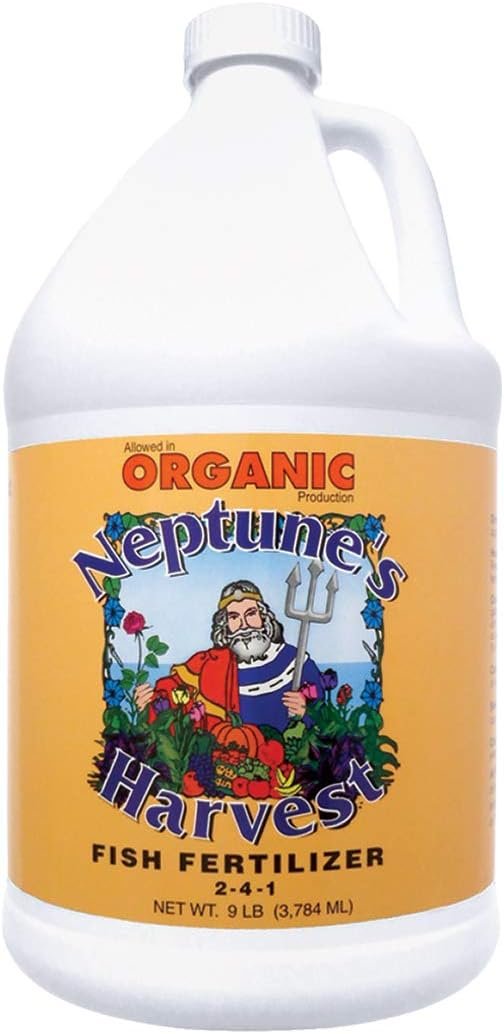
Our Favorite Organic Fertilizer: For container gardens, a gentle liquid organic fertilizer is the best choice for edibles. We suggest Neptune’s Harvest Fish & Seaweed Fertilizer. It’s a powerhouse of nutrients that you simply dilute in your watering can every 2-3 weeks to encourage strong growth and abundant, beautiful blooms.
The Right Soil Mix
Do not scoop soil from a nearby park! City soil is often compacted, nutrient-poor, and can contain contaminants. You need a fresh, sterile potting mix designed for containers.
- Look for “Potting Mix” or “Container Soil”: This is specifically formulated to be light and airy, providing the right balance of moisture retention and drainage.
- Go Organic: Since you’ll be eating these flowers, using an organic potting mix is the best way to ensure they are free from synthetic chemicals.
- Boost Your Mix: For an extra happy garden, mix in a handful of perlite for better drainage and some compost for a slow-release nutrient boost.
The Top 10 Easiest Edible Flowers for City Gardens
Ready to choose your plants? This list features hardworking, delicious, and beautiful flowers that are known to thrive in containers, making them perfect for your urban garden.
1. Nasturtiums
- Flavor Profile: Beautifully peppery, like a spicy watercress. Both the leaves and flowers are edible.
- Why It’s Great for the City: Incredibly easy to grow from seed, they aren’t fussy about soil, and they come in both mounding and trailing varieties perfect for pots and hanging baskets.
- Growing Tips: Plant seeds directly in the pot after the last frost. They love sun but will tolerate a little shade. Don’t over-fertilize, or you’ll get more leaves than flowers.
- How to Use: Toss whole flowers and leaves into salads for a spicy kick. Stuff larger flowers with herbed cream cheese as an appetizer. Chop them up and add to butter for a zesty spread.
2. Pansies and Violas
- Flavor Profile: Mildly sweet with a faint, grassy or minty note. Violas are typically smaller but have a more pronounced flavor.
- Why They’re Great for the City: They are cool-weather champions, adding color to your garden in spring and fall when other plants fade. Their compact size is perfect for small pots and window boxes.
- Growing Tips: Buy starter plants from a nursery for the easiest start. They prefer morning sun and afternoon shade, especially as the weather warms up.
- How to Use: Freeze them in ice cubes for stunning additions to cocktails and lemonade. Press them onto sugar cookies before baking. Garnish soups, salads, and desserts. They are the quintessential decorative flower.
3. Calendula (Pot Marigold)
- Flavor Profile: Petals can be spicy, tangy, or peppery, often compared to saffron.
- Why It’s Great for the City: This is a resilient and cheerful flower that blooms profusely. It’s easy to grow from seed and is known for its skin-soothing medicinal properties.
- Growing Tips: Sow seeds in a sunny spot. Calendula isn’t picky about soil. The more you pick the flowers, the more it will bloom.
- How to Use: Sprinkle the bright orange and yellow petals into salads, rice dishes, or scrambled eggs for a pop of color and a saffron-like flavor. Infuse them in oil for a healing skin salve.
4. Borage
- Flavor Profile: The brilliant blue, star-shaped flowers have a surprisingly crisp and refreshing cucumber flavor.
- Why It’s Great for the City: Borage is a vigorous grower and a pollinator magnet. One plant will provide a summer-long supply of blossoms.
- Growing Tips: Give it a larger pot, as it can get bushy. It loves full sun. Be prepared for it to self-seed for the next season!
- How to Use: A must-have for summer drinks! Float the flowers in a Pimm’s Cup, gin and tonic, or iced tea. Add to fruit salads or use as a garnish for cold cucumber soup.
5. Chive Blossoms
- Flavor Profile: A delicate onion and garlic flavor, much milder than the chive stems themselves.
- Why It’s Great for the City: If you’re already growing herbs, this is a two-for-one. Chives are incredibly easy to grow in pots, and the purple puffball flowers that appear in late spring are a delicious bonus.
- Growing Tips: Grow in any sunny spot. Harvest the stems as needed, and let some flower in the spring.
- How to Use: Separate the tiny florets and sprinkle them over salads, baked potatoes, egg dishes, or anything that could use a mild oniony bite. Infuse them in white vinegar for a beautiful and flavorful dressing.
6. Marigolds (Signet)
- Flavor Profile: Citrusy and spicy. Be sure to choose Signet Marigolds (Tagetes tenuifolia), as French Marigolds can be unpleasantly bitter.
- Why They’re Great for the City: They are tough, drought-tolerant, and bloom all summer long. They are also known for deterring pests, making them a great companion plant.
- Growing Tips: Plant in full sun. They are not fussy and thrive on a bit of neglect.
- How to Use: Separate the petals and sprinkle them into salads or rice dishes. Their bright color makes a beautiful natural food dye.
7. Lavender (English)
- Flavor Profile: Sweet, floral, and perfumed with hints of mint and rosemary. Use sparingly, as it can easily become soapy.
- Why It’s Great for the City: Its silvery foliage and purple spikes are gorgeous, and it loves the hot, dry conditions a sunny balcony can provide. Choose a smaller English variety like ‘Munstead’ for containers.
- Growing Tips: Needs full sun and excellent drainage. Do not overwater.
- How to Use: Infuse into sugar for baking. Add a bud or two to lemonade or cocktails. Mix dried lavender into herb blends like Herbes de Provence.
8. Chamomile (German)
- Flavor Profile: The tiny, daisy-like flowers have a sweet, apple-like flavor.
- Why It’s Great for the City: It’s delicate and airy, adding a soft texture to your container garden. It’s famously known for its calming properties.
- Growing Tips: Grow in full sun to light shade. It’s easy to start from seed.
- How to Use: The primary use is for tea. Harvest the flower heads and use them fresh or dried to brew a wonderfully relaxing herbal tea.
9. Squash Blossoms
- Flavor Profile: Very delicate, with the mild flavor of the squash itself.
- Why It’s Great for the City: A true delicacy! If you grow zucchini or other summer squash in a large container, the blossoms are an early harvest.
- Growing Tips: Grow a compact, bush-type zucchini in a large pot (at least 5 gallons). Harvest the male flowers (the ones on long, thin stems) in the morning, leaving a few for pollination.
- How to Use: Famously stuffed with cheese, battered, and fried. They can also be sliced into ribbons and added to pasta, quesadillas, or risotto.
10. Violas (Johnny-Jump-Ups)
- Flavor Profile: A wintergreen, minty flavor.
- Why It’s Great for the City: They are prolific, cheerful, and will happily reseed themselves in your pots. Their small size makes them perfect for tucking into any container.
- Growing Tips: Similar to their pansy cousins, they enjoy cooler weather and morning sun.
- How to Use: Perfect for crystallizing with egg white and sugar to create beautiful, long-lasting cake decorations. Add them to shortbread dough or sprinkle them over fruit tarts.
Harvesting and Prepping Your Blooms
You’ve nurtured your plants, and now they are covered in beautiful flowers. The best part has arrived!
- When to Pick: The best time is mid-morning, after the dew has evaporated but before the heat of the day can cause them to wilt.
- How to Pick: Use small, sharp scissors or simply pinch the flower off at the base. Choose flowers that are fully open and look their freshest.
- Prep for the Plate: Gently shake each flower to dislodge any dirt or tiny insects. If you must wash them, give them a very brief dip in a bowl of cool water and lay them on a paper towel to dry. For most flowers (like violas and nasturtiums), you can eat them whole. For others (like calendula and marigolds), you’ll want to gently pull the petals from the base and discard the center part, which can be bitter.
A Crucial Note on Safety
This is the most important rule of growing edible flowers: If you don’t know what it is, don’t eat it.
- Positive Identification is Key: Only eat flowers you are 100% certain are edible.
- Pesticide-Free is the Only Way: Never eat flowers from a florist, a nursery (unless specified as organic/edible), or the side of the road. These are almost always treated with toxic pesticides. The only safe flowers are the ones you grow yourself or buy from a reputable food-grade source.
- Eat in Moderation: As with any new food, introduce edible flowers into your diet slowly to make sure you don’t have an allergic reaction.
Frequently Asked Questions About Growing Edible Flowers
Q1: What are the absolute easiest edible flowers for a total beginner?
For anyone just starting out, we highly recommend Nasturtiums, Calendula, and Pansies/Violas. These three are incredibly forgiving, grow beautifully in containers, and reward you with abundant blooms without much fuss.
Q2: How can I be 100% sure a flower is safe to eat?
This is the most important question. The golden rule of foraging and gardening is: When in doubt, throw it out. Only eat flowers that you have positively identified from a reliable source and have grown yourself. Never eat a flower if you are even slightly unsure of its identity.
Q3: Can I eat flowers from a florist, nursery, or the side of the road?
No, absolutely not. This is critical for your safety. Flowers from florists, and most plants from general garden centers, are treated with systemic pesticides and fungicides that are not safe for human consumption. Likewise, roadside plants can absorb toxins from car exhaust. Only eat flowers you have grown yourself organically or have purchased from a certified edible flower producer.
Q4: What do most edible flowers actually taste like?
It’s a culinary adventure! The flavors vary widely. For example:
- Nasturtiums: Bold and peppery, like watercress.
- Violas & Pansies: Mildly sweet with a faint grassy or minty note.
- Borage: Surprisingly crisp, with the taste of fresh cucumber.
- Chive Blossoms: A delicate, mild onion flavor.
- Calendula: Can be tangy and slightly peppery, similar to saffron.
Q5: How should I store my harvested flowers to keep them fresh?
Edible flowers are best used immediately after picking. However, if you need to store them, you can. Gently lay the unwashed flowers on a damp paper towel and place them in an airtight container in the refrigerator. Most delicate flowers will stay fresh for 2-3 days this way.
Q6: Is it possible to grow edible flowers indoors?
Yes, but it can be challenging without enough light. You’ll need a very sunny, south-facing windowsill that gets at least 6-8 hours of direct, bright sunlight per day. Smaller flowers like violas or chives can work. If your natural light is limited, investing in a small, affordable LED grow light will make a huge difference and guarantee beautiful blooms.
Your Blooming Urban Oasis Awaits
Growing edible flowers is so much more than a gardening project; it’s a way to reclaim a little piece of nature in the midst of the city. It’s a chance to slow down, to watch something grow, and to create something that is both beautiful and nourishing. Every vibrant petal you sprinkle on a dish is a testament to your care and a celebration of what you can create in even the smallest of spaces.
You don’t need a green thumb or a sprawling garden. All you need is a pot, a little bit of sun, and the curiosity to try something new. The simple, unplugged routine of caring for your flowers will bring a sense of peace and accomplishment, connecting you back to the food you eat and the natural world around you.
Which edible flower are you most excited to grow first? Share your plans in the comments below, and let’s start our urban gardening journey together!