You’re busy. Your to-do list is a mile long, and finding a full hour to dedicate to fitness feels like a fantasy. Yet, you crave the energy, the stress-relief, and the powerful feeling of a great workout. What if you could get maximum results in minimum time, using just your own bodyweight? It’s not a gimmick; it’s the science of high-intensity interval training. This guide is packed with effective HIIT workouts you can do without equipment, designed to fit your schedule, torch calories, and dramatically boost your physical and mental health right from your living room.
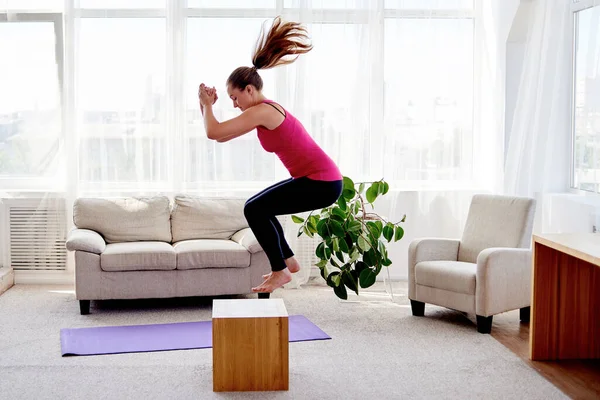
Table of Contents
What Exactly is HIIT (and Why Does It Work So Fast?)
HIIT stands for High-Intensity Interval Training. It’s a workout style that involves short, explosive bursts of all-out effort, followed by brief periods of rest or low-intensity recovery. Instead of jogging for 30 minutes at a steady pace, you might sprint for 30 seconds, rest for 30 seconds, and repeat. This simple switch is a game-changer for your body.
- The “Afterburn” Effect: The real magic of HIIT is a process called Excess Post-exercise Oxygen Consumption (EPOC). Because you push your body so hard during the intense intervals, your metabolism stays elevated for hours after you’ve finished your workout, meaning you continue to burn calories long after you’ve caught your breath.
- Cardiovascular Powerhouse: Pushing your heart rate up and down in intervals is one of the most effective ways to strengthen your heart muscle, improve circulation, and boost your overall cardiovascular endurance in a fraction of the time of traditional cardio.
- Maximum Efficiency: Studies have shown that a 20-minute HIIT session can burn as many, if not more, calories than a 45-minute steady-state cardio session. For anyone with a packed schedule, this efficiency is unbeatable.
- Mental Fortitude and Stress Release: Pushing through a tough interval builds incredible mental resilience. It’s a focused, mindful effort that forces you to be present, and the rush of endorphins afterward is a powerful antidote to a stressful day.
The Core Principles of a Great Bodyweight HIIT Workout
Creating your own at home HIIT workout is simple when you understand the basic formula. It’s all about the ratio of work to rest.
- Warm-Up (Non-negotiable): Always start with 3-5 minutes of light movement to prepare your muscles. Think jumping jacks, high knees, arm circles, and leg swings.
- Choose Your Work/Rest Ratio: This determines the intensity.
- Beginner (1:2): 30 seconds of work, 60 seconds of rest.
- Intermediate (1:1): 30 seconds of work, 30 seconds of rest.
- Advanced (2:1): 40 seconds of work, 20 seconds of rest.
- The Main Circuit: This is a series of exercises you perform back-to-back with the chosen work/rest ratio. After completing all exercises in the circuit, you take a longer rest (60-90 seconds) and then repeat the entire circuit for a set number of rounds.
- Cool-Down (Essential): Finish with 3-5 minutes of stretching to improve flexibility and help your body begin the recovery process.

4 No-Equipment HIIT Workouts for Every Fitness Level
Here are four powerful bodyweight HIIT routines you can start today. All you need is a timer (your phone works perfectly) and a little bit of space.
1. The 15-Minute Full-Body Beginner Blast
This is the perfect introduction to HIIT for beginners. The focus is on mastering the movements with solid form while still getting your heart rate up.
- Structure: 30 seconds of work, 45 seconds of rest. Complete 3 full rounds.
- Bodyweight Squats: A foundational move for leg strength.
- Push-ups (on knees or toes): Builds upper body and core strength.
- Jumping Jacks: A simple way to elevate your heart rate.
- Glute Bridges: Activates your glutes and hamstrings.
- Pro-Tip: During your 45-second rest, don’t just stand still. Walk around the room slowly and focus on taking deep, controlled breaths. This helps your heart rate recover more efficiently.
2. The 20-Minute Cardio Incinerator
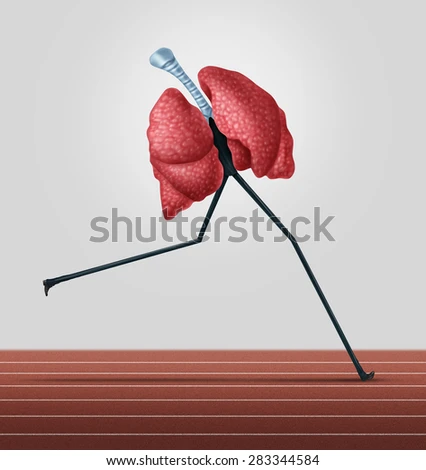
Ready to get breathless? This routine is designed for one thing: spiking your heart rate to maximize calorie burn and boost your cardiovascular fitness.
- Structure: 30 seconds of work, 30 seconds of rest. Complete 4 full rounds.
- High Knees: Drive your knees up towards your chest as quickly as you can.
- Butt Kicks: Try to kick your heels to your glutes while jogging in place.
- Mountain Climbers: From a plank position, drive your knees to your chest alternately.
- Burpees: The ultimate full-body cardio move.
- Modification: To make burpees lower-impact, remove the jump. Step your feet back one at a time, perform the push-up, step your feet back in, and stand up.
3. The 25-Minute Lower Body & Core Burnout
This workout targets your legs, glutes, and abs, building functional strength and stability that will benefit you in all areas of your life.
- Structure: 40 seconds of work, 20 seconds of rest. Complete 4 full rounds.
- Jump Squats: An explosive version of the squat to build power.
- Alternating Lunges: Step forward into a lunge, return to center, and switch legs.
- Plank Jacks: From an elbow plank, jump your feet wide and then back together.
- Bicycle Crunches: A fantastic exercise for targeting your entire core.
- Pro-Tip: During Plank Jacks, focus on keeping your hips as still as possible. The movement should come from your legs, not from your back swaying. This ensures you’re protecting your spine and maximizing core engagement.
4. The 30-Minute Advanced Challenge
This is a tough, high-volume workout designed to push your limits. It combines complex movements with minimal rest for a serious challenge.
- Structure: 45 seconds of work, 15 seconds of rest. Complete 5 full rounds.
- Tuck Jumps: Jump into the air, bringing your knees as close to your chest as possible.
- Sprawl: A faster, more athletic version of a burpee.
- Skater Jumps: Bound from side to side, landing softly on one leg.
- V-Ups: A challenging core exercise that targets both upper and lower abs.
- Pro-Tip: With only 15 seconds of rest, your transitions need to be fast. Know which exercise is coming next and get into position during the last few seconds of your rest period.
How to Avoid Burnout and Stay Consistent
HIIT is incredibly effective, but it’s also very demanding on your body. More is not always better.
- Start Slow: If you’re new to HIIT, stick to 1-2 sessions per week on non-consecutive days. This gives your body ample time to recover and adapt.
- Listen to Your Body: It’s normal to feel sore after a HIIT workout. However, if you feel sharp pain or are so exhausted you can’t function, take an extra rest day. Recovery is when you get stronger. (Internal Link Idea: This is a key part of building a sustainable wellness routine, just like the ones we discuss in our “Quick At-Home Workouts” article.)
- Focus on Form Over Speed: Especially when you’re starting, prioritize performing each exercise correctly. Good form prevents injury and ensures you’re working the right muscles.
Frequently Asked Questions (FAQ)
- Q1: Is HIIT good for beginners?
- A: Yes, HIIT is great for beginners when modified appropriately. Start with longer rest periods and simpler bodyweight exercises (like the Beginner Blast routine above) to build a solid foundation before increasing the intensity.
- Q2: How often should I do HIIT workouts?
- A: For most people, 2-3 times per week is the sweet spot. This allows you to reap the benefits of high-intensity training while giving your body the necessary time to recover and prevent overtraining.
- Q3: Can you build muscle with bodyweight HIIT?
- A: While HIIT is primarily known for its cardio and fat-burning benefits, it can absolutely help build and maintain lean muscle. Explosive movements like jump squats and push-ups challenge your muscles, promoting growth, especially for those new to fitness.
Q4: What should I eat before or after a HIIT workout?
A: Fueling your body properly is key to getting the most out of your HIIT session.1
- Before: About 30-60 minutes before your workout, eat a small, easily digestible snack rich in carbohydrates for quick energy.2 A small banana, a handful of dates, or a piece of toast are great options. Avoid heavy, fatty, or high-fiber foods that can sit in your stomach.
- After: Within an hour or two of finishing, focus on replenishing your energy and helping your muscles recover. A meal or snack containing both protein and carbohydrates is ideal. Good choices include a protein shake, Greek yogurt with berries, chocolate milk, or a full meal like grilled chicken with sweet potatoes.
Q5: What’s the difference between HIIT and regular cardio?
A: While both are great for your heart, they work in very different ways. Think of it like a sprint versus a marathon.
- HIIT involves short, all-out bursts of anaerobic exercise (sprints) followed by rest.4 This method is extremely efficient, creates a significant “afterburn” effect (EPOC) where you burn calories for hours afterward, and is great for improving athletic performance.5
- Regular Cardio, often called LISS (Low-Intensity Steady-State), is aerobic exercise performed at a consistent, moderate pace for a longer duration (a marathon).6 It burns calories primarily during the workout itself and is generally less stressful on the body. Both are valuable, but HIIT gives you a bigger metabolic impact in less time.
Q6: Is HIIT particularly good for weight loss?
A: Yes, HIIT is an exceptionally effective tool for weight loss for several reasons. First, you burn a high number of calories in a very short amount of time.7 Second, the afterburn effect (EPOC) keeps your metabolism elevated for hours post-workout. Finally, the intensity of HIIT can help preserve lean muscle mass while targeting fat loss, which is crucial for maintaining a healthy and active metabolism.8 However, remember that sustainable weight loss always combines effective exercise with a balanced, nutritious diet.
You don’t need a gym, expensive equipment, or hours of free time to achieve your fitness goals. High-Intensity Interval Training is proof that you can build a stronger, healthier, and more resilient body and mind right in your own home. By embracing intensity and prioritizing consistency, you can unlock a new level of energy and well-being.
Stop waiting for the perfect moment. Pick one of these routines, set a timer for 20 minutes, and prove to yourself how powerful you truly are.