In our hyper-connected world, finding moments of peace and quiet can feel like a luxury. We’re constantly bombarded with notifications, emails, and the relentless hum of digital life. This constant stimulation can lead to burnout, anxiety, and a feeling of being perpetually “on.” But what if there was a simple, accessible tool that could help you reclaim your calm, unplug from the digital noise, and significantly reduce stress?
Enter journaling.
Often dismissed as a relic of our teenage years, journaling is a surprisingly potent practice for adults seeking to reconnect with themselves and cultivate a greater sense of well-being. It’s a personal sanctuary, a private space where you can explore your thoughts, feelings, and experiences without judgment.

Why Journaling is Your Unplugging Superpower
Think of your mind as a busy highway. Thoughts, worries, and to-do lists are like cars constantly whizzing by. Journaling acts as an exit ramp, allowing you to pull over, observe the traffic, and decide which thoughts deserve your attention and which can simply pass by.
Here’s why journaling is particularly effective for unplugging and stress reduction:
- It creates a digital detox moment: When you pick up a pen and paper (or open a digital journaling app, though we highly recommend the tactile experience for true unplugging), you’re stepping away from screens. This simple act is a powerful break from the digital world.
- It fosters self-awareness: Journaling encourages you to tune into your inner landscape. You start to notice patterns in your thoughts, understand the root causes of your stress, and recognize what truly brings you joy.
- It processes emotions: Instead of bottling up feelings, journaling provides a healthy outlet. Writing down your anger, sadness, fear, or frustration can be incredibly cathartic, preventing these emotions from festering and contributing to stress.
- It clarifies your thoughts: Ever feel like your brain is a tangled mess of ideas? Journaling helps you untangle them, bringing clarity and focus to your thoughts and decisions.
- It promotes problem-solving: When you write about a challenge, you often gain new perspectives and insights, making it easier to identify solutions.
- It’s a mindfulness practice: The act of writing, focusing on your breath, and engaging with your inner world is a form of mindfulness. It brings you into the present moment, away from worries about the past or future.
- It boosts gratitude: Regularly writing about what you’re grateful for can shift your perspective, training your brain to focus on the positive aspects of your life, which is a powerful stress reducer.
Ready to dive in? You don’t need fancy notebooks or perfect handwriting. All you need is a pen, some paper, and a willingness to explore. To help you get started on your journey to unplugging and reducing stress, here are 10 powerful journaling prompts designed to guide your reflection.
The Prompts: Your Pathway to Inner Calm
Here are 10 journaling prompts to help you unplug from the noise and reduce your stress levels, starting today:
1. The Digital Disconnect: “What digital habits contribute most to my stress, and what small step can I take today to create more space?”
- Why it works: This prompt directly addresses the core issue of digital overload. It encourages you to identify specific triggers and empowers you to take immediate, manageable action.
- Example Reflection: “Scrolling social media endlessly before bed makes me anxious and interferes with my sleep. Today, I will charge my phone in another room overnight.”
- Dig Deeper: How does constant connectivity make you feel physically? What emotions arise when you think about unplugging?
2. The Sensory Snapshot: “Describe in detail one moment today when I felt truly present and engaged with my senses.”
- Why it works: This prompt is a powerful mindfulness exercise. It pulls you away from abstract thoughts and into the concrete reality of your sensory experience, grounding you in the present.
- Example Reflection: “This morning, I sat on my porch and drank my coffee. I noticed the warmth of the mug, the rich smell of the coffee, the sound of birds chirping, and the cool breeze on my skin. It felt incredibly peaceful.”
- Dig Deeper: What sensations do you often overlook? How can you intentionally create more sensory-rich moments in your day?
3. The Stress Inventory: “What are my top three biggest stressors right now, and what is one small, immediate action I can take for each?”
- Why it works: This prompt helps you categorize and prioritize your anxieties, making them feel less overwhelming. It then shifts you into an action-oriented mindset.
- Example Reflection: “Stressor 1: Upcoming project deadline. Action: Break it into three smaller tasks. Stressor 2: Cluttered apartment. Action: Spend 15 minutes tidying one area. Stressor 3: Feeling disconnected from friends. Action: Text one friend to check in.”
- Dig Deeper: Are these stressors within your control? What resources do you have to tackle them?
4. The Gratitude Glow: “List five things I am genuinely grateful for right now, no matter how small.”
- Why it works: Gratitude is a proven antidote to stress. This prompt redirects your focus from what’s going wrong to what’s going right, instantly boosting your mood and perspective.
- Example Reflection: “1. The warmth of my bed. 2. A hot cup of tea. 3. My cat purring beside me. 4. A funny text from a friend. 5. The quiet moment I have right now to write.”
- Dig Deeper: How does practicing gratitude make your body feel? What role does gratitude play in cultivating resilience?
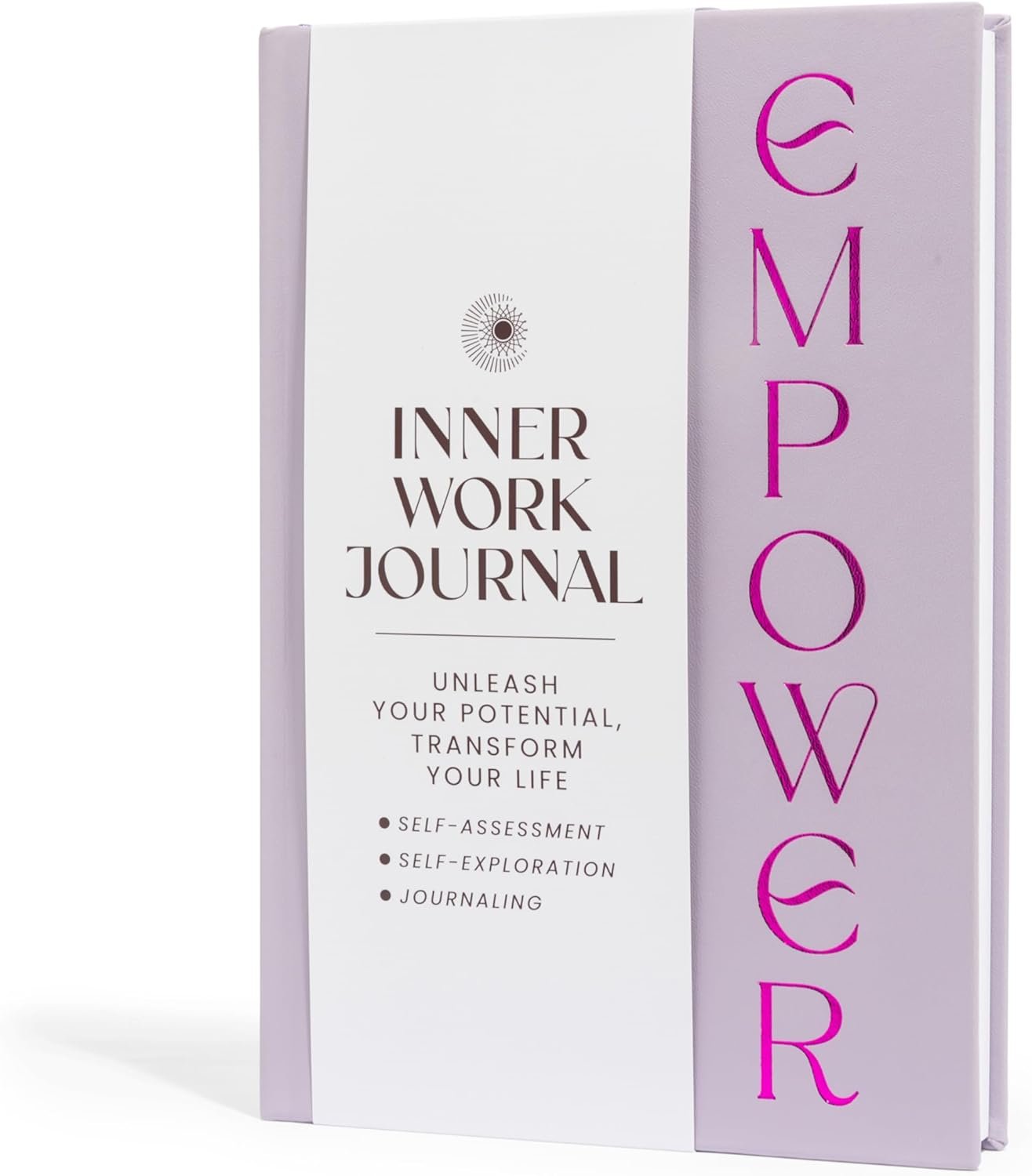
5. The Energy Audit: “What activities or interactions energize me, and which drain me? How can I incorporate more of the former and less of the latter?”
- Why it works: This prompt helps you become aware of your personal energy sources and drains. By identifying them, you can make conscious choices to protect your energy and reduce fatigue-related stress.
- Example Reflection: “Energizing: Walking in nature, reading a good book, deep conversations. Draining: Endless meetings, mindlessly scrolling, negative news. I can commit to a 30-minute walk daily and limit news consumption to specific times.”
- Dig Deeper: What boundaries do you need to set to protect your energy? How does your physical environment impact your energy levels?
6. The Future Self Letter: “Write a letter to your future self (one month from now) describing how you want to feel, having successfully unplugged and reduced stress.”
- Why it works: This prompt is powerful for visualization and goal-setting. By articulating your desired state, you create a roadmap for achieving it and tap into your intrinsic motivation.
- Example Reflection: “Dear Future Self, I hope by now you feel a profound sense of calm. I imagine you’re spending more time outdoors, reading more, and connecting deeply with loved ones. I hope you’ve mastered the art of putting your phone down and truly being present. You feel lighter, more rested, and more joyful.”
- Dig Deeper: What specific actions will your future self have taken to reach this state? What challenges might they have overcome?
7. The Joyful Memory: “Describe a memory from your past when you felt completely joyful, free, and unstressed. What elements contributed to that feeling?”
- Why it works: Recalling positive memories can instantly evoke similar feelings in the present. This prompt also helps you identify the core ingredients of your personal happiness and freedom.
- Example Reflection: “I remember a summer day by the lake as a child. The sun was warm, the water cool, and there was no agenda, just playing and laughing. The feeling of the sand between my toes, the smell of sunscreen, the sound of splashing – complete carefree bliss.”
- Dig Deep: How can you recreate some of those elements in your current life, even in small ways? What aspects of that memory are missing from your life today?
8. The Unsent Confession: “Write down anything you wish you could say to someone (or a situation) that’s causing you stress, but haven’t.”
- Why it works: This is a powerful cathartic exercise. It allows you to express pent-up emotions and thoughts without the need for actual confrontation, providing release and clarity.
- Example Reflection: (Could be a difficult boss, a family member, or even a societal pressure) “I wish I could tell my boss that the constant weekend emails are making me dread Mondays and impacting my family time. I need clearer boundaries.”
- Dig Deeper: What emotions does holding onto these unsaid words create? What insight does writing this down give you about your needs?
9. The Digital Dream Day: “Design your ideal ‘unplugged’ day from morning to night. What would you do, who would you be with, and how would you feel?”
- Why it works: This prompt encourages imaginative thinking and helps you visualize a life with less digital interference. It provides a blueprint for what you’re striving for.
- Example Reflection: “My ideal unplugged day would start with sunrise yoga, followed by a leisurely breakfast with no phones. Then a long hike in the woods, maybe some painting, and a quiet evening reading by a fireplace with loved ones. I would feel peaceful, connected, and utterly refreshed.”
- Dig Deeper: What’s one small element of this dream day you could incorporate into your life this week? What stops you from living more days like this?
10. The Self-Compassion Check-in: “What message of kindness and understanding do I need to hear most right now? Write it to myself.”
- Why it works: In times of stress, we often become our own harshest critics. This prompt encourages self-compassion, a vital component of emotional resilience and stress reduction.
- Example Reflection: “It’s okay to feel overwhelmed sometimes. You’re doing your best, and it’s perfectly normal to need a break. Be kind to yourself, you deserve rest and gentle care. Take a deep breath; you’ve got this.”
- Dig Deeper: How do you typically speak to yourself when you’re stressed? How can you practice more self-compassion in your daily life?
Tips for a Successful Journaling Practice
- Consistency over quantity: Aim for 5-10 minutes a day, rather than waiting for a large block of time. Even a few sentences can be impactful.
- No rules, just write: Don’t worry about grammar, spelling, or making sense. This is your private space.
- Find your sacred spot: Designate a comfortable, quiet place where you can journal without interruption.
- Handwritten vs. typed: While digital journaling has its place, the physical act of writing by hand can be more grounding and less screen-dependent, enhancing the unplugging effect.
- Review and reflect: Occasionally reread old entries. You’ll be amazed at the insights you gain into your own growth and patterns.
- Don’t judge: There’s no right or wrong way to journal. Let your thoughts flow freely.
Journaling is not a quick fix, but a powerful, ongoing practice that builds resilience, self-awareness, and inner peace over time. It’s an investment in your mental and emotional well-being, a personal retreat you can access anytime, anywhere.
Conclusion: Reclaim Your Calm, One Page at a Time
In a world that constantly demands your attention, taking time to unplug and reconnect with yourself is not a luxury, but a necessity. Journaling offers a simple yet profound pathway to achieve this, helping you navigate stress, understand your emotions, and cultivate a deeper sense of calm.
By engaging with these 10 powerful prompts, you’re not just writing words; you’re actively creating space for introspection, healing, and personal growth. You’re choosing to prioritize your mental health, to step away from the digital cacophony, and to listen to the quiet wisdom within.
Ready to start your journey to a more unplugged, less stressed life? Grab a notebook, pick a prompt, and begin writing today. Your calmer, more present self is waiting.