In our modern hustle culture, we often treat our minds and bodies like two separate projects on a to-do list. We crush a high-intensity workout to manage our physical health and then, if there’s time, we try to quiet our racing thoughts with a few minutes of meditation. We operate as “human doings” rather than “human beings,” constantly switching between tasks. But what if these two powerful practices—exercise and mindfulness—were never meant to be separate? What if the secret to unlocking next-level results in both areas lies in a thoughtful approach to scheduling meditation and mindfulness with your physical training?
This isn’t about adding another complicated task to your already packed day. It’s about synergy. It’s about discovering how a few minutes of stillness can supercharge your workout, and how movement can pave the way for profound mental clarity. This guide will walk you through the science, strategies, and practical schedules to seamlessly weave these two pillars of wellness together. Prepare to transform your routine from a checklist of separate items into a single, powerful practice for a stronger body and a calmer mind.
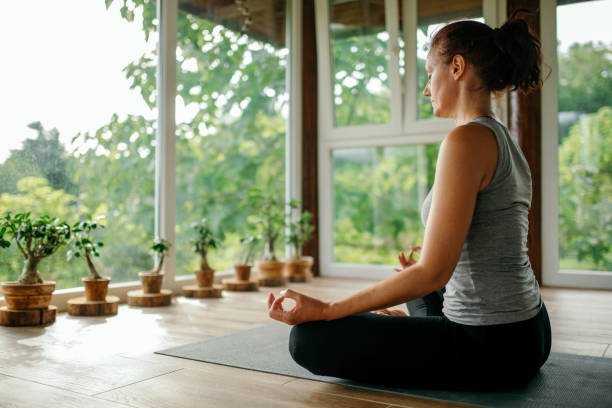
Table of Contents
The Synergy Effect: Why Mind and Muscle Thrive Together
To truly understand how to schedule these practices, we first need to appreciate why they are so powerful when combined. The connection goes far beyond simply feeling good; it’s rooted in our physiology.
Calming the Nervous System
Intense exercise is fantastic for us, but it’s a stressor. It activates the sympathetic nervous system—our “fight-or-flight” response—pumping out cortisol and adrenaline to fuel our performance. This is great during the workout, but staying in this state for too long leads to burnout and inflammation. Meditation and mindful breathing, on the other hand, activate the parasympathetic nervous system—our “rest-and-digest” mode. By pairing meditation with exercise, you create a perfect loop: you intentionally ramp up your system to build strength and then intentionally guide it back down to a state of calm recovery. This improves recovery time, reduces chronic stress, and balances your hormones.
Enhancing the Mind-Muscle Connection
You’ve likely heard the term “mind-muscle connection” in the gym. It’s the conscious and deliberate effort to feel a specific muscle working during an exercise. Mindfulness is the very practice of paying close, non-judgmental attention to the present moment. When you bring mindfulness to your workout, you aren’t just lifting a weight; you’re feeling the tension in your biceps, the stability of your core, the push from your glutes. This enhanced focus leads to better form, more effective muscle activation, and a significantly lower risk of injury.
Boosting Mental Resilience and Focus
Exercise is a mental game as much as a physical one. Mindfulness trains your brain to notice distracting thoughts without getting carried away by them. When you’re holding a difficult plank or pushing through that last running interval, your mind will scream “stop!” A mindful practice teaches you to acknowledge that thought, let it go, and return your focus to your breath and body, building incredible mental toughness that translates both in and out of the gym.
The Big Question: Meditate Before or After Your Workout?
This is the most common query when it comes to scheduling meditation and mindfulness with exercise. The truth is, there is no single right answer—both approaches offer unique and powerful benefits. The best choice for you depends on your personal goals and what you feel you need most on any given day.
The Case for Meditating Before Exercise:
Meditating before your workout is like a mental warm-up. It sets the stage for a focused, intentional, and effective session.
- Benefit 1: Setting a Clear Intention. A brief pre-workout meditation allows you to move beyond simply “getting it done.” You can set an intention for your practice, whether it’s to honor your body’s limits, push past a mental barrier, or simply enjoy the feeling of movement.
- Benefit 2: Enhanced Focus. Starting with a clear mind allows you to be fully present during your workout. You’ll be less distracted by lingering work stress or your endless to-do list, allowing you to focus on your form and the physical sensations of the exercise.
- Benefit 3: Reduced Performance Anxiety. If you ever feel anxious or intimidated before a tough workout, a few minutes of mindful breathing can calm your nervous system and build the self-compassion needed to approach the challenge with confidence instead of dread.
Try this: 5 minutes before your workout, sit comfortably. Close your eyes and take three deep breaths. Simply scan your body, noticing any areas of tension. Set an intention for your workout (e.g., “I will move with strength and awareness”).
The Case for Meditating After Exercise:
Post-workout meditation leverages the unique biological state your body is in, acting as a powerful tool for recovery and integration.
- Benefit 1: Accelerated Recovery. As mentioned, meditation helps shift your body into “rest-and-digest” mode. This process lowers your heart rate, reduces cortisol, and directs resources toward repairing tired muscles, speeding up your physical recovery.
- Benefit 2: Processing Endorphins. Exercise releases endorphins, creating a natural feeling of euphoria or the “runner’s high.” Sitting in stillness after a workout allows you to fully absorb and appreciate this state, deepening the mental rewards of your hard work.
- Benefit 3: Body-Scan Awareness. Your body is highly sensitized after a workout. A post-exercise body scan meditation can be incredibly insightful. You can notice which muscles feel fatigued, where you’re holding tension, and send mindful breath to those areas to release it.
Try this: Immediately after your cool-down, find a comfortable seated or lying position. For 10 minutes, guide your attention through your body, starting from your toes and moving up to your head. Simply notice the sensations—tingling, warmth, fatigue—without judgment.
Practical Strategies for Scheduling Meditation and Mindfulness
Knowing the benefits is one thing; putting it into practice is another. Here are three simple, effective models for integrating these habits.
- The “Bookend” Method: This is the most structured approach. You “bookend” your workout with short meditation sessions.
- Pre-Workout (3-5 mins): A brief meditation focused on setting an intention and grounding yourself.
- Post-Workout (5-10 mins): A longer session focused on recovery, body awareness, and gratitude.
- The “Integration” Method: This involves weaving mindfulness directly into your workout. This is less about formal, seated meditation and more about a state of mindful awareness during movement. (More on this in the next section).
- The “Habit Stacking” Method: Based on the concept from James Clear’s “Atomic Habits,” you link your new meditation habit to an existing workout habit. The formula is: “After [CURRENT HABIT], I will [NEW HABIT].”
- Example: “After I finish my last set of squats, I will sit on my mat and meditate for 5 minutes.”
- Example: “After I take off my running shoes, I will do 3 minutes of mindful breathing.”
Sample Schedules for Different Lifestyles
Let’s make this real. Here’s how you can apply these methods to your unique schedule.
Schedule 1: The Busy Morning Professional
- 6:00 AM: Wake up, hydrate.
- 6:15 AM: 20-minute HIIT workout.
- 6:35 AM: Cool-down and stretch.
- 6:40 AM: 5-Minute Post-Workout Meditation. Sit on your mat, focus on your breath, and do a quick body scan to notice the energy you’ve created.
- 6:45 AM: Shower and start the day energized and centered.
Schedule 2: The Evening Decompressor
- 6:00 PM: 45-minute strength training session to release the day’s stress.
- 6:45 PM: Cool-down.
- 7:00 PM: Shower, dinner.
- 9:00 PM: 10-Minute Pre-Sleep Meditation. This session isn’t immediately after the workout but uses the physically tired state to promote deep relaxation and prepare for restful sleep.
Schedule 3: The Mindful Mover (Weekend)
- 9:00 AM: Start a 45-minute yoga flow or a 30-minute outdoor run.
- During: Practice the “Integration” Method. During yoga, focus intensely on the connection between breath and movement. During the run, focus on the sensation of your feet hitting the ground and the rhythm of your breathing instead of listening to music.
- After: 3-Minute Gratitude Practice. Simply stand or sit and reflect on three things you’re grateful for about your body’s ability to move.
Mindfulness in Motion: A Deeper Dive into the “Integration” Method
You don’t always have to be sitting still to be mindful. Here’s how to bring mindfulness into any workout:
- Mindful Strength Training: During a bicep curl, don’t just lift the weight. Feel the path of the dumbbell. Notice the point where the muscle is maximally contracted. Control the negative (lowering) portion of the lift with just as much focus as the lift itself.
- Mindful Running: Dedicate the first five minutes of your run to a sensory check-in. What do you hear? What do you feel (the wind, the sun)? What do you see? When your mind wanders, gently bring your focus back to the rhythm of your footsteps.
- Mindful Stretching: As you hold a stretch, instead of gritting your teeth, breathe deeply into the area of tension. With each exhale, visualize the muscle releasing and lengthening.
Overcoming Common Hurdles
- “My mind is too busy after a workout to meditate.” Perfect! The goal isn’t an empty mind, but to notice how busy it is without getting involved. The post-workout buzz is just another sensation to observe. Start with just 3 minutes.
- “I’m too tired; I might fall asleep.” That’s okay! It’s a sign your body needs rest. Try a seated meditation instead of lying down to help stay alert. If you doze off, your body is simply taking the recovery it needs.
- “I just don’t have the extra 10 minutes.” Start with one minute. Seriously. The goal is to build the habit. One minute of intentional, mindful breathing is more powerful than zero minutes. You can use the “Habit Stacking” method to attach it seamlessly to your existing routine.
🛒 Unplugged Recommendation: Is physical discomfort holding you back? If you find yourself fidgeting or struggling with an aching back while trying to meditate, the problem might be your posture, not your focus. A dedicated meditation cushion (also called a zafu) can be a game-changer. It elevates your hips, allowing your spine to remain straight effortlessly, so you can focus on your mind instead of your body.


A Unified Practice for a Unified Self
Viewing your mind and body as separate projects is an exhausting and inefficient way to live. The practice of scheduling meditation and mindfulness with exercise isn’t about adding more to your plate; it’s about creating a richer, deeper, and more effective wellness routine.
By bookending your workouts with stillness or integrating mindfulness into your movement, you transform your fitness from a purely physical act into a holistic practice. You build not just a stronger body, but a more focused, resilient, and peaceful mind. Start small, be consistent, and listen to what you need—sometimes that’s a pre-workout intention, other times it’s a post-workout release. Your journey to a truly unplugged, powerful routine starts now.
How do you combine mindfulness and exercise in your own routine? Do you prefer to meditate before or after you work out? Share your favorite techniques and experiences in the comments below! Let’s learn from each other.