Creating a morning fitness routine is one of those habits that divides the world into two camps: the people who swear by it, crediting it for their success, energy, and positive outlook, and the people who can only imagine it in a dream world where the snooze button doesn’t exist. For most of us, the reality of morning is a frantic, groggy scramble fueled by caffeine and the stress of the day ahead.
The alarm blares, and the internal negotiation begins. “Just five more minutes,” you plead with yourself. Your warm, comfortable bed feels like a sanctuary, while the thought of jumping into a workout feels like a punishment. You know a morning workout would be good for you. You’ve read the articles. You’ve seen the posts. But the gap between that knowledge and actually doing it feels like a canyon.
What if you could close that gap? What if you had a blueprint so simple and effective that it made the decision for you, turning that dreaded alarm clock into a starting pistol for the best part of your day?
This is that blueprint. Forget willpower and relying on fleeting motivation. We’re going to build a system—a powerful, repeatable routine that makes morning fitness not just achievable, but something you might actually look forward to. This guide will walk you through every step, from overcoming the psychological pull of the snooze button to the exact workouts you can do in your living room in less time than it takes to brew a pot of coffee.

Table of Contents
Step 1: Understand Your “Why”: The Undeniable Power of a Morning Workout
Before we talk about the “how,” you need to be sold on the “why.” A morning fitness routine isn’t just about “getting it over with.” It’s a strategic decision that pays dividends all day long.
- It Kickstarts Your Metabolism: Exercising in the morning, especially before breakfast (fasted cardio), can help your body tap into its fat stores for energy more effectively. It revs up your metabolic engine, which can remain elevated for hours after your workout is finished.
- It Creates a “Mental Win”: By accomplishing something challenging before most people have even had their first cup of coffee, you create a powerful sense of achievement. This “win” sets a positive, proactive tone for the rest of your day, a concept known as a keystone habit.
- It Boosts Your Brainpower: Exercise increases the flow of blood and oxygen to your brain. Studies show that a morning workout can lead to improved focus, enhanced creativity, and better problem-solving skills throughout your workday. It’s like a natural cup of coffee for your brain.
- It Annihilates Stress: A morning session helps to metabolize cortisol (the stress hormone) that can accumulate overnight. By starting your day with endorphins (the body’s natural mood elevators), you’re building a psychological shield against the stressors the day will inevitably throw at you.
- It Guarantees Consistency: Life gets complicated. Evening workouts are often the first casualty of a late meeting, a tired child, or social obligations. By getting your workout done first thing, you protect it from the chaos of the day.
Step 2: Conquer the Bed: How to Beat the Snooze Button for Good
This is the biggest battle. If you can’t get out of bed, the rest of the plan is useless. Here’s your tactical guide.
- The 5-Second Rule: A concept from Mel Robbins. The moment your alarm goes off, count down from 5-4-3-2-1 and then physically move. Get your feet on the floor. Don’t give your brain time to talk you out of it. The longer you lie there, the more likely your groggy brain will win the negotiation.
- Prepare Your Launchpad: Remove every ounce of friction the night before.
- Lay out your workout clothes right next to your bed.
- Fill your water bottle and place it on your nightstand.
- Have your yoga mat unrolled or your weights ready in your designated space.
- Know exactly which workout you’re going to do.
- Create Physical Distance: Place your alarm clock or phone across the room. This forces you to physically get out of bed to turn it off. Once you’re up, you’ve won half the battle.
- Let There Be Light: As soon as you’re up, open the blinds or turn on a bright light. Light is a powerful biological signal to your brain that it’s time to wake up and suppress melatonin (the sleep hormone).
- Optimize Your Sleep: You can’t win the morning if you lose the night. Prioritize 7-8 hours of quality sleep. A consistent bedtime, a cool and dark room, and avoiding screens an hour before bed will make waking up significantly easier.
Step 3: The Blueprint of a Perfect Morning Workout
A great morning fitness routine isn’t just a random set of exercises. It has a structure designed to wake your body up safely and effectively.
- Hydration & Activation (2 mins): Before you do anything, drink a large glass of water. You’re dehydrated after a night’s sleep. Then, perform a few gentle activation movements like cat-cow stretches or torso twists to wake up your spine.
- Dynamic Warm-Up (5 mins): Never jump into a workout cold. A dynamic warm-up involves active movements that increase your heart rate and warm up your muscles and joints. Think leg swings, arm circles, high knees, and walking lunges.
- The Main Workout (15-45 mins): This is the core of your routine. We’ll provide sample workouts below. The key is to have a plan and stick to it.
- Mindful Cool-Down (5 mins): Don’t just stop. Gradually bring your heart rate down with static stretching (holding stretches for 20-30 seconds). This is crucial for improving flexibility and preventing injury. Use this time to breathe deeply and mentally prepare for your day.
Step 4: “Choose Your Adventure”: Sample Morning Fitness Routines
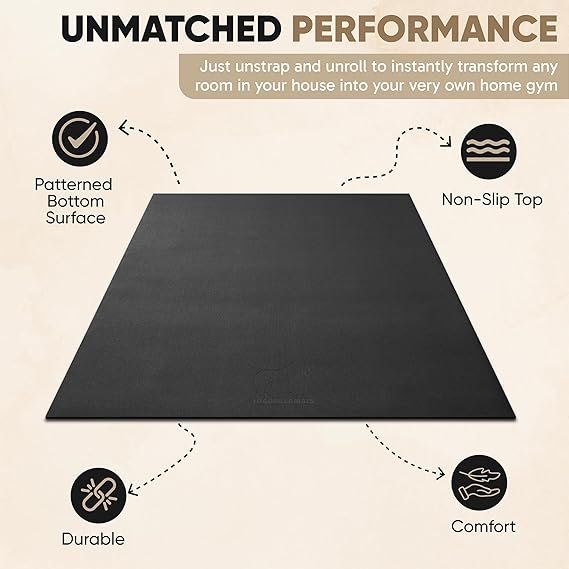
Before you jump in, make sure you have your foundation set. The single best investment for a home fitness routine is a high-quality, extra-thick exercise mat. It not only protects your knees, back, and wrists on hard floors but also absorbs impact and dampens noise—a crucial feature for any early morning workout.
Now, pick the routine that fits your schedule and energy level for the day.
Routine A: The 15-Minute “Energy Boost” HIIT
Perfect for busy days. High-Intensity Interval Training (HIIT) is incredibly effective in a short amount of time.
- Warm-Up (3 mins): Jumping jacks, high knees, arm circles.
- The Circuit (10 mins): Perform each exercise for 40 seconds, followed by 20 seconds of rest. Complete two full rounds.
- Bodyweight Squats: Keep your chest up and back straight.
- Push-Ups: On your toes or your knees.
- Jumping Lunges: Explode up, switching legs in mid-air. (Modification: Alternating Reverse Lunges).
- Mountain Climbers: Keep your core tight and run your knees to your chest.
- Burpees: The ultimate full-body move.
- Cool-Down (2 mins): Quad stretch, hamstring stretch, child’s pose.

Routine B: The 30-Minute “Strength & Flow”
Combines bodyweight strength with yoga to build muscle and mindfulness.
- Warm-Up (5 mins): Dynamic stretches, including several rounds of Sun Salutation A.
- Part 1: Strength (12 mins): Complete three rounds of this circuit.
- 10 Push-Ups
- 15 Glute Bridges
- 20 Bodyweight Squats
- 30-second Plank
- Part 2: Flow (10 mins): Move through this yoga sequence.
- Downward Dog -> Warrior I (right side) -> Warrior II (right side) -> Reverse Warrior (right side) -> Plank -> Chaturanga -> Upward Dog -> Downward Dog. Repeat on the left side.
- Cool-Down (3 mins): Pigeon pose, seated forward fold, gentle spinal twist.
Routine C: The 45-Minute “Full Body Burn”
For days when you have more time and want a comprehensive workout.
- Warm-Up (5 mins): Dynamic stretches.
- Part 1: Lower Body (10 mins): 3 rounds of:
- 12 Goblet Squats (use a dumbbell, kettlebell, or heavy household object)
- 20 Alternating Forward Lunges
- 15 Calf Raises
- Part 2: Upper Body & Core (10 mins): 3 rounds of:
- 10 Dumbbell Rows (per side)
- 10 Push-Ups
- 30 Bicycle Crunches
- Part 3: Cardio Finisher (10 mins): 5 rounds of:
- 45 seconds of Jumping Jacks
- 15 seconds of Rest
- 45 seconds of High Knees
- 15 seconds of Rest
- Cool-Down (10 mins): Full-body static stretching, focusing on chest, hamstrings, quads, and hips.
Step 5: Fuel Your Success
What you eat (or don’t eat) matters.
- Before: If your workout is under 45 minutes, you can likely do it fasted on just water. If you’re doing a longer, more intense session, a small, easily digestible carb-based snack 30 minutes before (like a banana or a piece of toast) is a good idea.
- After: Within an hour of finishing your workout, aim for a balanced meal containing protein (to repair muscles) and complex carbohydrates (to replenish energy). A smoothie with protein powder and fruit, oatmeal with nuts, or scrambled eggs with whole-wheat toast are all excellent options.
Your Morning is Your Own
Creating a morning fitness routine at home is one of the most powerful acts of self-care you can perform. It’s an investment you make in yourself before you give your energy away to the rest of the world.
Don’t try to go from zero to the 45-minute routine overnight. Start small. Commit to the 15-minute routine just three times next week. Lay out your clothes tonight. Put your alarm across the room. Master the art of showing up.
The first few days might be tough, but soon you’ll find a new rhythm. You’ll begin to crave that feeling of accomplishment, that burst of energy, and that quiet, powerful start to your day. You’re not just building a stronger body; you’re building a stronger mind and a more resilient life.
What is your single biggest struggle when it comes to morning routines? Share it in the comments below—let’s conquer it together!