Hey there, fellow sleep-seekers! Are you tired of tossing and turning, staring at the ceiling, and dreading the sound of your alarm? You’re not alone. In our hyper-connected world, quality sleep often feels like a luxurious myth rather than a nightly reality. But what if I told you that one simple change could revolutionize your rest? It’s time to talk about the magic of a screen-free night.
Think about it: how do you usually wind down? Scrolling through social media, binge-watching your favorite show, or perhaps checking emails one last time? While these activities might seem harmless, they’re secretly sabotaging your sleep. But don’t worry, breaking up with your screens before bed isn’t as daunting as it sounds, and the benefits are truly life-changing.
This isn’t just about feeling a little more rested; it’s about unlocking deeper, more restorative sleep that impacts every aspect of your life. From your mood and productivity to your physical health, ditching the digital glow can be the ultimate game-changer. Ready to discover how? Let’s dive in!
The Blue Light Blocker: Why Screens Are Your Sleep’s Worst Enemy
Let’s start with the science. The primary culprit behind screen-induced sleeplessness is blue light. This specific wavelength of light emitted by our smartphones, tablets, computers, and TVs tricks our brains into thinking it’s still daytime.
Our bodies have an incredible internal clock, called the circadian rhythm, which regulates our sleep-wake cycle. When the sun sets, our brains naturally start producing melatonin, the hormone that signals it’s time to wind down and sleep.
However, exposure to blue light before bed suppresses melatonin production. It’s like trying to tell your body to go to sleep while simultaneously shining a bright spotlight in its face. Your brain gets confused, thinking it needs to stay alert, making it incredibly difficult to fall asleep and stay asleep.
Even short bursts of screen time can have a significant impact. Just 30 minutes of scrolling can delay the onset of sleep by several minutes and reduce the quality of the sleep you do get. It’s a cumulative effect that chips away at your overall rest, leaving you feeling groggy and unrefreshed.
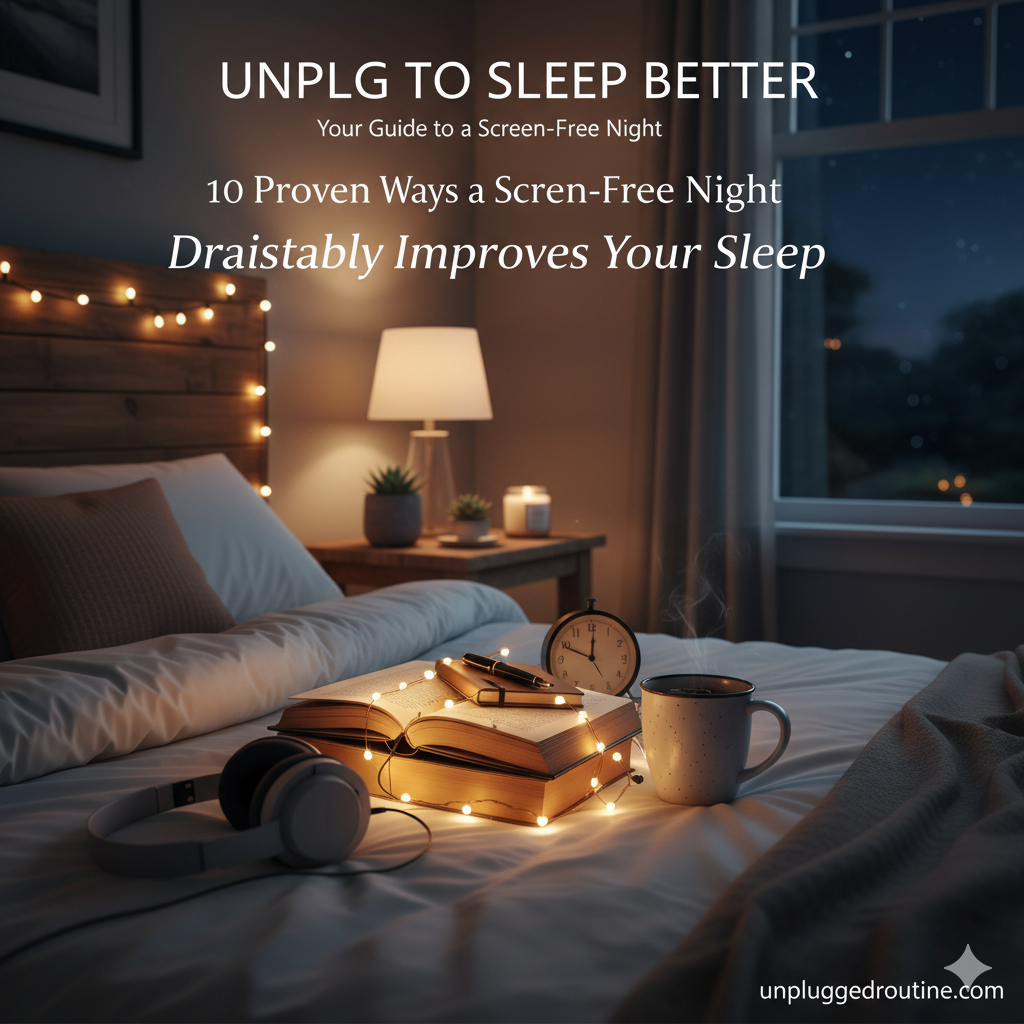
Beyond Blue Light: The Mental Stimulation Trap
It’s not just the light; it’s also the content. Our devices are designed to be engaging, stimulating, and often, addictive. Reading a thrilling article, getting into a heated debate on social media, or watching an intense drama just before bed revs up your brain.
Your mind becomes active, processing information, anticipating outcomes, or even experiencing emotional responses. This mental stimulation directly counteracts the calm, relaxed state needed for sleep. It’s hard to transition from a state of high alert to one of peaceful slumber.
Imagine trying to fall asleep right after a sprint. Your heart is racing, your body is buzzing. That’s similar to what your brain experiences after an intense digital session. It needs time to decompress, to slow down, and to quiet the mental chatter before it can effectively drift off.
This constant stimulation can also lead to fragmented sleep, where you wake up multiple times throughout the night, even if you don’t remember it. Each micro-awakening disrupts your sleep cycles, preventing you from reaching those crucial deep and REM sleep stages.
Benefit 1: You’ll Fall Asleep Faster (No More Tossing and Turning!)
This is perhaps the most immediate and noticeable benefit. When you eliminate blue light and mental stimulation, your body can naturally follow its circadian rhythm. Melatonin production kicks in on time, signaling to your brain that it’s time to prepare for sleep.
Instead of fighting against your natural biology, you’re working with it. Your mind isn’t racing, your eyes aren’t strained, and your body feels genuinely ready to rest. You’ll likely find yourself drifting off much more quickly, sometimes even before you realize it.
Think of it as hitting the “off” switch for your brain’s alertness system. Without screens, that switch functions optimally, allowing for a smoother, faster transition from wakefulness to slumber. This alone can be a game-changer for chronic insomniacs.
Many people report cutting their sleep onset time in half or even more just by implementing a consistent screen-free hour before bed. It’s a simple change with profound effects on how quickly you achieve that coveted state of sleep.
Benefit 2: Experience Deeper, More Restorative Sleep
Falling asleep quickly is great, but the quality of your sleep is even more important. A screen-free night promotes deeper, more restorative sleep cycles. This means you spend more time in slow-wave sleep (deep sleep) and REM sleep, which are crucial for physical and mental restoration.
Deep sleep is when your body repairs itself, consolidates memories, and releases growth hormone. REM sleep is vital for emotional regulation, learning, and dreaming. When these cycles are disrupted by screen exposure, you miss out on these essential processes.
Without the interference of blue light and stimulation, your sleep architecture becomes more stable and efficient. You’re less likely to experience micro-awakenings or fragmented sleep, allowing your body and mind to fully engage in the restorative work they need to do.
Imagine waking up not just feeling like you slept, but feeling truly refreshed and energized. That’s the power of deeper, uninterrupted sleep, and it’s readily accessible when you unplug. Your mornings will feel lighter, your mind clearer, and your energy levels higher.
Benefit 3: Wake Up Feeling More Energized and Alert
This ties directly into deeper sleep. When you achieve truly restorative sleep, your body and brain have had the opportunity to fully recover. This translates to waking up feeling genuinely energized, rather than groggy or needing multiple cups of coffee just to function.
The “sleep inertia” – that feeling of disorientation and sluggishness upon waking – is significantly reduced. Your brain activity is more synchronized, and your body is ready to go. You’ll notice a marked improvement in your morning mood and cognitive function.
Think of your body like a battery. Screens drain it, and screen-disrupted sleep prevents it from fully recharging. A screen-free night, on the other hand, allows for a complete recharge, ensuring you start your day at 100%.
This boost in morning energy isn’t just about feeling good; it translates into better productivity, focus, and overall well-being throughout your entire day. You’ll find yourself tackling tasks with more enthusiasm and less fatigue.
Benefit 4: Improved Mood and Reduced Irritability
Sleep deprivation and poor sleep quality are directly linked to increased irritability, mood swings, and even symptoms of anxiety and depression. When you’re consistently well-rested, your emotional regulation improves dramatically.
A screen-free night helps you achieve the sleep needed to process emotions, reduce stress hormones, and maintain a more stable mood. You’ll find yourself less reactive to minor annoyances and more resilient in the face of challenges.
This isn’t just about feeling less cranky; it’s about fostering a more positive and stable emotional state. Good sleep acts as a buffer against daily stressors, making you more adaptable and emotionally balanced.
Your interactions with others will likely improve too. When you’re well-rested, you’re more patient, empathetic, and generally more pleasant to be around. It’s a ripple effect that enhances your relationships and overall quality of life.
Benefit 5: Enhanced Focus and Productivity During the Day
Ever tried to concentrate after a night of poor sleep? It’s like trying to walk through quicksand. Your brain feels foggy, decisions are harder, and your attention span shrinks. Unplugging before bed is a secret weapon for boosting your daytime productivity.
Restorative sleep sharpens your cognitive functions. Your ability to focus, concentrate, solve problems, and make decisions all improve. You’ll find yourself more efficient at work, more engaged in conversations, and more present in your daily activities.
Think of your brain as needing a nightly reset and defrag. Screens prevent this process from happening effectively. A screen-free night allows your brain to organize information, consolidate memories, and prepare for optimal performance the next day.
This enhanced cognitive function means you’ll not only get more done, but you’ll also do it with greater clarity and fewer errors. It’s an investment in your mental capital that pays dividends throughout your waking hours.
Benefit 6: Better Memory Consolidation and Learning
Sleep plays a crucial role in memory. During deep sleep and REM sleep, your brain actively processes and consolidates the information and experiences from your day, converting short-term memories into long-term ones.
When screens disrupt these vital sleep stages, your memory consolidation suffers. This can lead to difficulty recalling information, learning new things, and generally feeling like your brain isn’t quite “holding onto” what you’ve learned.
A screen-free night creates the ideal environment for your brain to perform its nightly memory magic. It allows for uninterrupted sleep cycles, ensuring that your brain has ample time and opportunity to solidify new knowledge and experiences.
So, if you’re a student, someone learning a new skill, or simply want to remember where you put your keys, prioritizing screen-free sleep is a powerful tool for cognitive enhancement. It literally makes your brain work better.

Benefit 7: Reduced Eye Strain and Headaches
Prolonged screen time, especially in dim lighting before bed, can lead to digital eye strain (also known as computer vision syndrome). Symptoms include dry eyes, blurred vision, headaches, and neck pain.
Giving your eyes a break from screens before bed allows them to relax and recover. The absence of blue light and the constant focus required for digital content significantly reduces the stress on your ocular muscles.
Many people who adopt a screen-free routine report a noticeable decrease in evening headaches and eye discomfort. It’s a simple, yet effective way to give your eyes the rest they desperately need after a day of digital demands.
This benefit might seem minor compared to deeper sleep, but chronic eye strain and headaches can significantly impact your comfort and overall well-being. A screen-free wind-down is a gentle balm for tired eyes.
Benefit 8: Stronger Self-Discipline and Routine
Establishing a screen-free bedtime routine requires a degree of self-discipline. But here’s the cool part: the more you practice it, the stronger your self-discipline becomes in other areas of your life too.
Creating and sticking to a consistent bedtime ritual that doesn’t involve screens instills a sense of control and intentionality. You’re consciously choosing to prioritize your health over instant gratification, which is a powerful habit to cultivate.
This routine also signals to your body that sleep is imminent, further enhancing your natural sleep-wake cycle. Consistency is key when it comes to sleep, and a screen-free winding down period provides that crucial structure.
Over time, this routine becomes second nature. The temptation to reach for your phone will diminish as your body and mind come to associate the pre-bed hours with calm, relaxation, and preparation for restorative sleep. It’s a positive feedback loop!
Benefit 9: Enhanced Creativity and Problem-Solving
Believe it or not, sleep is a powerhouse for creativity. During REM sleep, your brain makes connections between seemingly disparate ideas, which can lead to “aha!” moments and innovative solutions to problems you’ve been grappling with.
When screens disrupt REM sleep, you’re essentially shortchanging your brain’s creative potential. A screen-free night ensures you get ample REM sleep, allowing your mind to wander, connect dots, and generate fresh perspectives.
Many artists, writers, and innovators swear by the power of a good night’s sleep for sparking new ideas. It’s not just about resting; it’s about giving your subconscious mind the space and time to work its magic without digital interference.
So, if you’re feeling creatively blocked or stuck on a tough problem, consider unplugging before bed. You might just wake up with the solution or a burst of inspiration. It’s like outsourcing your creative brainstorming to your sleeping self.
Benefit 10: A More Meaningful and Present Evening Routine
Beyond the physiological benefits, a screen-free night encourages you to engage in more calming, enriching, and truly restful activities. Instead of passively consuming content, you can actively wind down in ways that truly nourish your soul.
This might mean reading a physical book, listening to soothing music, practicing mindfulness or meditation, taking a warm bath, writing in a journal, or having a meaningful conversation with a loved one.
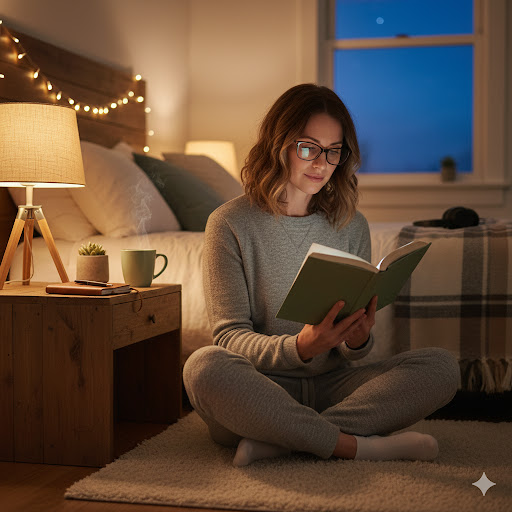
These activities don’t stimulate your brain with blue light or constant novelty; instead, they promote relaxation, self-reflection, and genuine connection (with yourself or others). They allow you to be more present in the moment and truly decompress.
You’ll reclaim your evenings from the digital void, creating a personal sanctuary of calm and peace. This intentional winding-down period doesn’t just improve your sleep; it enriches your entire evening experience, making it more fulfilling and less rushed.
How to Start Your Screen-Free Journey: Practical Tips
Ready to make the change? Here are some practical steps to help you embrace a screen-free night:
- Set a “Digital Sunset” Time: Decide when you’ll put away all screens (phone, tablet, laptop, TV) each night. Start with 30-60 minutes before bed and gradually increase it to an hour or two.
- Create a Charging Station (Away from Your Bed!): Designate a spot outside your bedroom for all your devices to charge overnight. This removes the temptation to check them “just one more time.”
- Find Your Unplugged Activities: Replace screen time with relaxing alternatives. Think physical books, journaling, meditation, gentle stretching, listening to podcasts or audiobooks (on a device with no screen or with a screen-off timer), or having a conversation.
- Invest in an Analog Alarm Clock: Ditch your phone as an alarm clock. A simple, old-school alarm clock means your phone doesn’t need to be in your bedroom at all.
- Communicate Your New Routine: Let family or housemates know about your “digital sunset” so they understand why you might not be responding to texts or calls right before bed.
- Be Patient and Forgiving: It’s a new habit, and you might slip up. Don’t beat yourself up! Just get back on track the next night. Consistency, not perfection, is the goal.
- Dim the Lights: As your “digital sunset” approaches, start dimming the lights in your home. This further signals to your brain that it’s evening and time to produce melatonin.
- Create a Cozy Bedroom Environment: Ensure your bedroom is dark, quiet, and cool. These factors, combined with a screen-free approach, create the ultimate sleep sanctuary.
Conclusion: Reclaim Your Nights, Reclaim Your Rest
The relentless glow of our screens has silently stolen our sleep for too long. But the power to reclaim your nights, and in turn, your rest, is entirely in your hands. A screen-free night isn’t just a trend; it’s a fundamental shift back to what our bodies naturally need for optimal sleep.
The benefits are undeniable: faster sleep onset, deeper restorative sleep, increased daytime energy, improved mood, sharper focus, better memory, and a more present, meaningful evening routine. These aren’t just minor adjustments; they are profound changes that can transform your health and well-being from the inside out.
Imagine waking up genuinely refreshed, ready to tackle the day with energy and clarity. Imagine evenings filled with calm, reflection, and true relaxation, rather than endless scrolling. This isn’t a fantasy; it’s the reality waiting for you when you unplug.
Ready to transform your sleep and supercharge your life? Take the first step tonight! Set your “digital sunset” and embrace the tranquility of a screen-free evening. Your body and mind will thank you. Visit unpluggedroutine.com for more tips and resources to help you create your perfect sleep sanctuary!