In our hyper-connected world, the lines between work, leisure, and personal time have become increasingly blurred. Our phones are extensions of our hands, our laptops always within reach, and the relentless stream of notifications demands our attention from dawn till dusk, and often, well into the night. It’s a constant hum of digital noise that, while seemingly productive or entertaining, can take a serious toll on our mental well-being.
At Unplugged Routine, we believe in the transformative power of intentional disconnection. We understand that truly thriving in this digital age isn’t about abandoning technology altogether, but about mastering its use and creating sacred spaces for ourselves away from its pull. And one of the most impactful ways to do this is by establishing mindful habits around the two most crucial transition periods of your day: your evenings and your mornings.
This isn’t just about switching off your Wi-Fi (though that’s a great start!). It’s about cultivating practices that nourish your mind, soothe your nervous system, and prepare you for restful sleep and a focused, positive start to the day. When you unplug for better mental health, you’re not just creating a routine; you’re investing in your peace of mind, your clarity, and your overall happiness.
Ready to reclaim your mornings and evenings from the digital beast? Let’s dive into simple, yet powerful, habits that will revolutionize your mental health.
The Hidden Cost of Constant Connection
Before we explore the solutions, let’s briefly touch upon the problem. Why is “unplugging” so critical, especially during these vulnerable transition times?
- Sleep Disruption: The blue light emitted from screens suppresses melatonin production, making it harder to fall asleep and impacting sleep quality. Late-night scrolling also keeps your mind active when it should be winding down.
- Increased Anxiety and Stress: Constantly checking emails, social media, or the news, particularly before bed or first thing in the morning, can trigger stress hormones, putting your body into a state of alert when it needs to be calm.
- Reduced Focus and Productivity: Starting your day immediately with digital input can hijack your attention, making it harder to set your own agenda and focus on important tasks. Similarly, bringing work into your evening hinders proper rest and recovery.
- Diminished Presence: When your mind is always elsewhere – online – you miss out on real-life moments, connections, and the simple beauty of your surroundings.
- Digital Fatigue: Constant exposure to screens and information overload can lead to mental exhaustion, irritability, and a general feeling of being overwhelmed.
It’s clear: our digital habits are silently eroding our mental health. But the good news is, small, consistent changes can make a monumental difference.
Evening Habits: Unwind and Recharge for Restful Sleep
Your evening routine sets the stage for the quality of your sleep and your mood the following day. By intentionally unplugging for better mental health in the hours before bed, you allow your mind and body to truly relax and prepare for deep, restorative rest.
1. The Digital Sunset: Set a Tech Curfew
This is perhaps the most fundamental habit. Decide on a specific time each evening (e.g., 60-90 minutes before your target bedtime) when all screens – phones, tablets, laptops, and even TV – go off. Or at least, they go into “do not disturb” mode and are placed in another room.
- Why it works: It creates a clear boundary between your digital life and your personal winding-down time. It reduces blue light exposure and signals to your brain that it’s time to slow down.
- How to start: Start with 30 minutes before bed and gradually increase it. Inform family or friends you’re adopting a “digital sunset” so they know not to expect immediate responses.
2. Read a Physical Book
Once your screens are off, what do you do? Pick up a good old-fashioned book! Fiction, non-fiction, a captivating memoir – anything that engages your mind without the harsh blue light.
- Why it works: Reading a physical book (or e-reader without a backlight) stimulates your imagination, helps you escape the day’s stresses, and doesn’t interfere with melatonin production.
- How to start: Keep a few interesting books next to your bed or in your main living area. Visit your local library for a free supply!
3. Journal Your Thoughts
Before bed, take a few minutes to jot down your thoughts, worries, successes, or even just your to-do list for tomorrow. This “brain dump” can be incredibly therapeutic.
- Why it works: It helps you process emotions, reduces mental clutter, and can prevent “racing thoughts” once your head hits the pillow. It also fosters self-reflection.
- How to start: Keep a notebook and pen handy. Don’t censor yourself; just write whatever comes to mind.
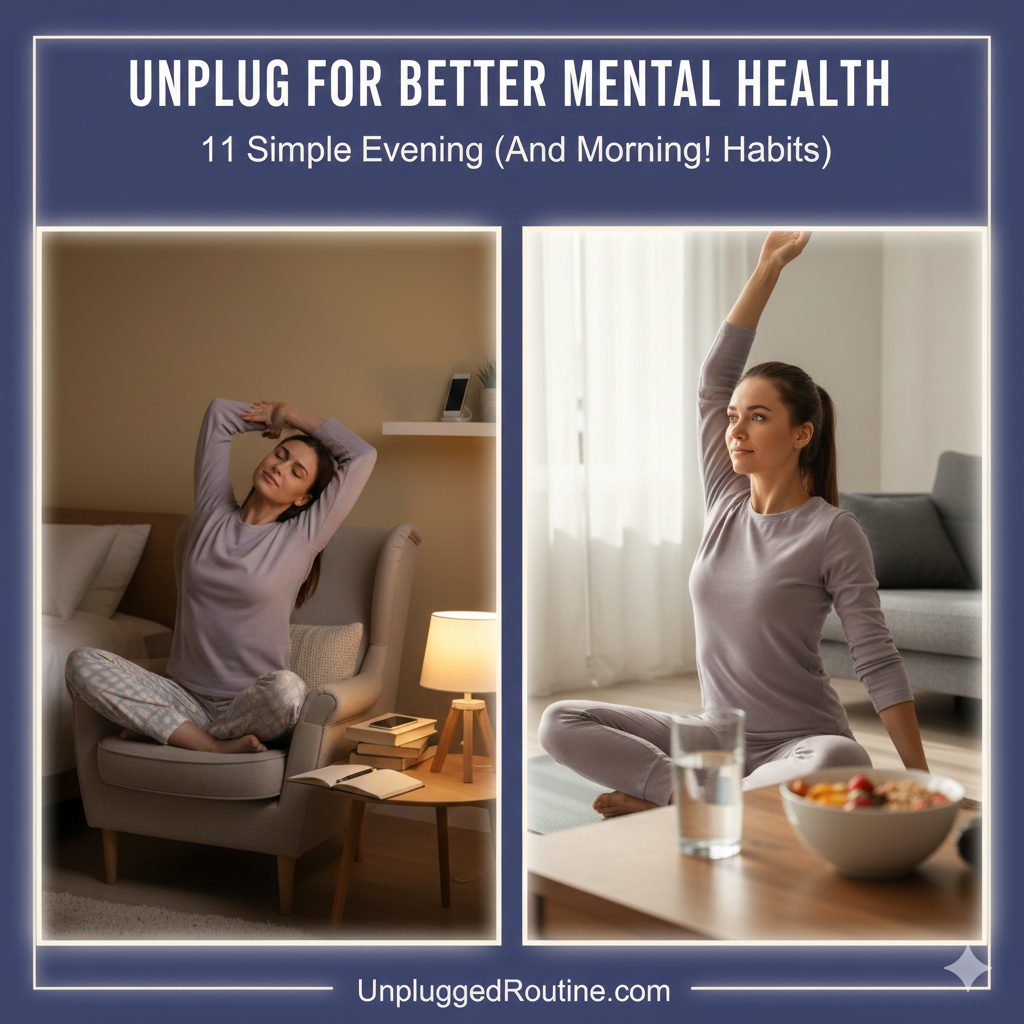
4. Practice Gentle Stretching or Yoga
A short, gentle stretching routine can release tension from your body and calm your mind. You don’t need a yoga mat or fancy gear; just a clear space.
- Why it works: It promotes relaxation, improves flexibility, and helps you become more aware of your body, drawing your focus away from digital distractions.
- How to start: Search for free “bedtime yoga” or “gentle stretches for sleep” videos earlier in the day to learn a few moves, then put the screen away for your evening practice.
5. Prepare for Tomorrow (The Night Before)
Spend 10-15 minutes tidying up your space, packing your bag for the next day, or laying out your clothes. This seemingly simple act can have a huge impact.
- Why it works: It reduces morning stress and decision fatigue. Waking up to a somewhat organized environment and a prepared plan gives you a calmer, more proactive start.
- How to start: Pick one small task, like choosing your outfit, and commit to doing it every night.
6. Engage in a Relaxing Hobby (Screen-Free)
Think knitting, drawing, listening to music (from a non-screen device!), playing an instrument, or even doing a jigsaw puzzle. These activities can be incredibly absorbing and soothing.
- Why it works: They provide a creative outlet, distract your mind from daily worries, and offer a sense of accomplishment without the digital stimulation.
- How to start: Dust off an old hobby or try something new that doesn’t involve a screen.
Morning Habits: Set the Tone for a Focused Day
Just as your evening routine prepares you for rest, your morning routine sets the trajectory for your entire day. Starting with intentional, unplugged habits allows you to be proactive, rather than reactive, to the demands of the world. This is where you truly unplug for better mental health and take charge of your day before it takes charge of you.
7. Avoid the “Phone Grab” First Thing
This is arguably the most crucial morning habit. Resist the urge to immediately check your phone for emails, social media, or news as soon as you wake up. Let your first thoughts be your own.
- Why it works: It prevents instant overwhelm, anxiety, and comparison. It allows your brain to fully wake up and transition gradually, rather than being bombarded with external information.
- How to start: Charge your phone in another room, or at least across the room, so you have to physically get out of bed to reach it. Use a traditional alarm clock.
8. Hydrate Immediately
Before coffee or anything else, drink a large glass of water. Your body has been without fluids all night, and rehydrating first thing is a fantastic way to kickstart your system.
- Why it works: It rehydrates your body, aids digestion, and can boost your energy levels naturally without relying on external stimuli like caffeine or digital buzz.
- How to start: Keep a glass of water next to your bed or on your kitchen counter as a visual reminder.
9. Practice Mindfulness or Meditation
Spend 5-10 minutes (or even just 2!) focusing on your breath, observing your thoughts without judgment, or practicing a guided meditation.
- Why it works: It calms the mind, improves focus, reduces stress, and cultivates a sense of inner peace before the day’s demands begin.
- How to start: There are many free apps and resources available if you use them the night before to choose your meditation and then set your phone aside. Or simply sit quietly and focus on your breath.
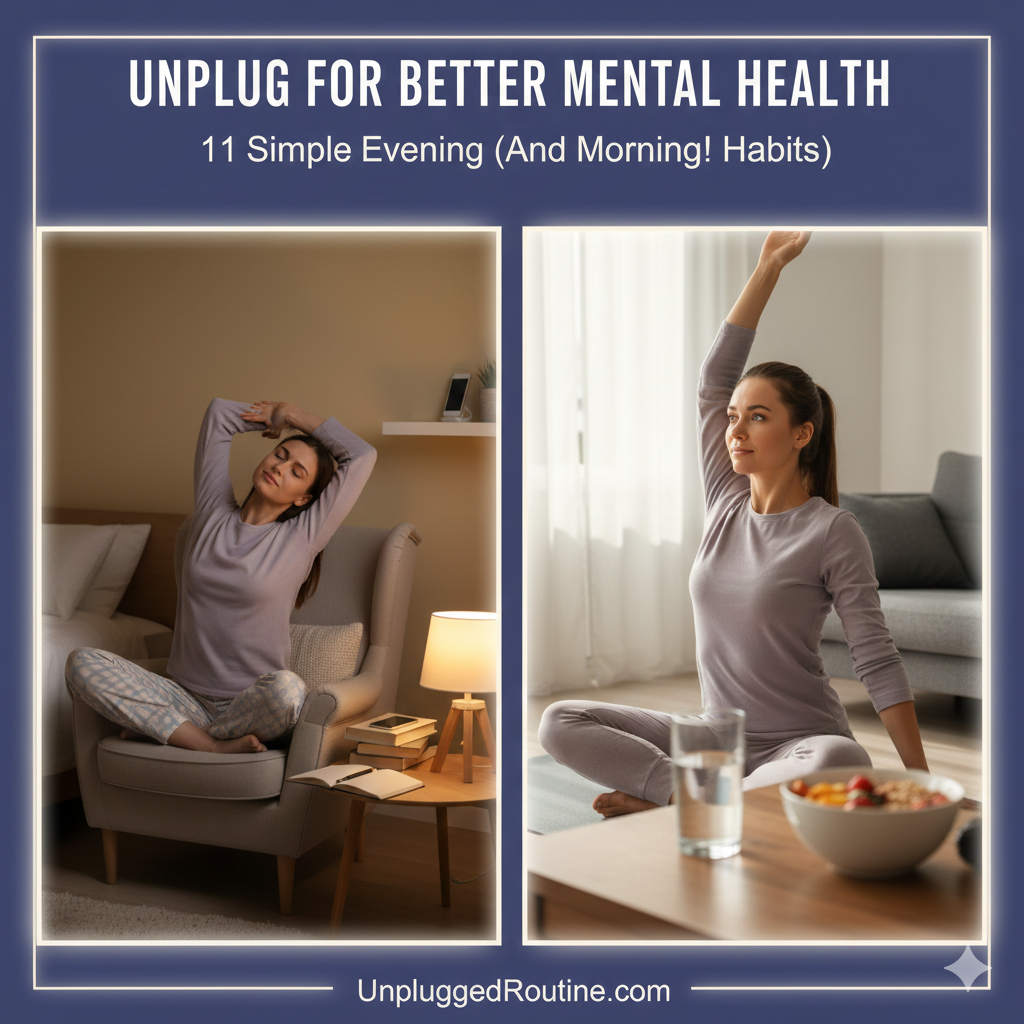
10. Move Your Body
Even a short burst of physical activity can make a huge difference. This could be a quick stretch, a walk around the block, some jumping jacks, or a few sun salutations.
- Why it works: It increases blood flow, boosts energy, releases endorphins (natural mood lifters), and helps you feel more awake and alive.
- How to start: Find an activity you genuinely enjoy that you can do quickly. Consistency is more important than intensity.
11. Enjoy a Mindful Breakfast
Instead of rushing or eating while scrolling, sit down and truly savor your breakfast. Pay attention to the flavors, textures, and the act of nourishing your body.
- Why it works: It provides a moment of calm and grounding, encourages mindful eating, and starts your day with a sense of deliberate self-care.
- How to start: Dedicate 10-15 minutes to eating breakfast without any screens, just focusing on your food and perhaps some quiet reflection.
The Ripple Effect: How Unplugging Transforms Your Life
These evening and morning habits might seem small, but their cumulative effect is profound. When you consistently unplug for better mental health, you’ll likely notice:
- Improved Sleep Quality: Deeper, more restful sleep leaves you feeling more energized and alert.
- Reduced Stress and Anxiety: Creating boundaries with technology lowers your overall stress load.
- Enhanced Focus and Productivity: A clear, calm mind is better equipped to concentrate and tackle tasks.
- Increased Creativity: Giving your mind space away from digital input allows for new ideas to emerge.
- Stronger Relationships: Being present with loved ones (and yourself!) deepens connections.
- Greater Self-Awareness: You become more attuned to your own needs, thoughts, and emotions.
- More Joy and Contentment: You learn to appreciate the simple moments and find satisfaction in non-digital activities.
Imagine waking up feeling refreshed, starting your day with intention, and winding down peacefully without the constant pull of the digital world. This isn’t a fantasy; it’s an attainable reality when you commit to these simple, yet powerful, habits.
Your Journey to a Calmer You Starts Now
Taking control of your mornings and evenings is one of the most empowering steps you can take for your mental well-being. It’s about consciously choosing peace over chaos, presence over distraction, and self-care over digital demands.
Don’t feel pressured to implement all 11 habits at once. Choose one or two that resonate most with you, and commit to practicing them consistently for a week. Once they feel like second nature, gradually add another. Remember, this is about progress, not perfection.
At Unplugged Routine, we’re here to support you on your journey to a more balanced and fulfilling life. By intentionally choosing to unplug for better mental health, you’re not just changing your routine; you’re transforming your relationship with technology and, ultimately, with yourself.
Which evening or morning habit will you try first to unplug for better mental health? Share your plans in the comments below – let’s inspire each other to create a calmer, more present life!