Living in the heart of the city has its thrills—the energy, the convenience, the culture. But it often comes at the cost of green space. If you look out your window at a cityscape of concrete, steel, and brick and find yourself craving a touch of nature, you’re not alone. The great news is you don’t need a sprawling backyard to cultivate your own vibrant sanctuary. Finding the best plants for urban gardening beginners is the key to transforming your balcony, patio, or even a sunny windowsill into a personal, productive oasis.
This isn’t just about growing plants; it’s about creating a routine that reconnects you with the natural world. It’s about the simple joy of snipping your own fresh basil for dinner or watching a bee visit a flower you nurtured. This guide will walk you through the most resilient, rewarding, and beautiful plants that are perfectly suited for the unique challenges and opportunities of city living. Let’s get growing.
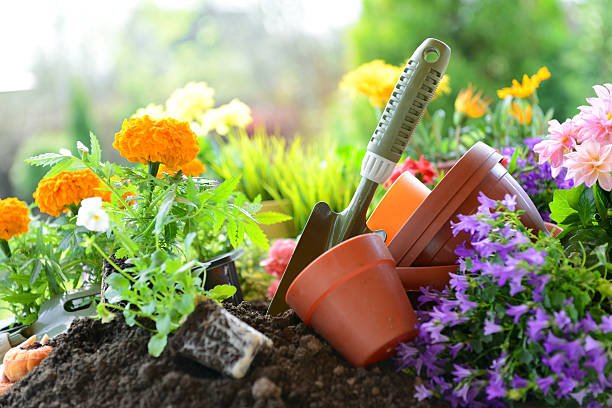
Table of Contents
Why Every Urban Dweller Needs a Garden
Before we dive into what to grow, let’s talk about why. An urban garden, no matter how small, is a powerful tool for wellness and a perfect fit for an “unplugged routine.”
- Stress Relief: The simple act of tending to plants—watering, pruning, and watching them grow—is a meditative practice that has been proven to lower stress and anxiety.
- Hyper-Local Food: There is nothing more satisfying than harvesting something you grew yourself. The flavor of a sun-ripened cherry tomato from your own balcony is worlds away from a store-bought one.
- A Touch of Nature: Creating a pocket of greenery provides a vital connection to nature that is often missing in urban environments. It beautifies your space and can even attract beneficial pollinators like bees and butterflies.
- A Sense of Accomplishment: Successfully growing a plant from a small seed or starter into a flourishing source of food or beauty provides a profound sense of accomplishment and boosts confidence.
Understanding Your Space: The First Step to Success
The secret to a thriving urban garden is choosing plants that fit your specific environment. A plant that loves shade will wither on a sun-drenched rooftop, and a sun-worshipping tomato plant will fail to produce on a north-facing balcony. Take a day to observe your space.
- Sunlight: This is the most critical factor. How many hours of direct, unfiltered sunlight does your space get?
- Full Sun: 6-8+ hours of direct sun. Ideal for most vegetables and flowering plants.
- Part Sun/Part Shade: 4-6 hours of direct sun, preferably in the morning when it’s less intense. Perfect for many herbs and leafy greens.
- Shade: Less than 4 hours of direct sun. Best for specific shade-tolerant plants.
- Space: Are you working with a tiny windowsill, a narrow balcony, a spacious patio, or a rooftop? The size and weight limitations of your space will dictate the size of the containers you can use.
- Wind: Balconies, especially on higher floors, can be very windy. This can dry out and damage plants. You may need to choose tougher plants or create a windbreak.
The Best Plants for Urban Gardening Beginners: A Curated List
Here they are—the most forgiving, productive, and rewarding plants to kickstart your urban gardening journey. We’ve broken them down into categories to help you plan your perfect small-space oasis.
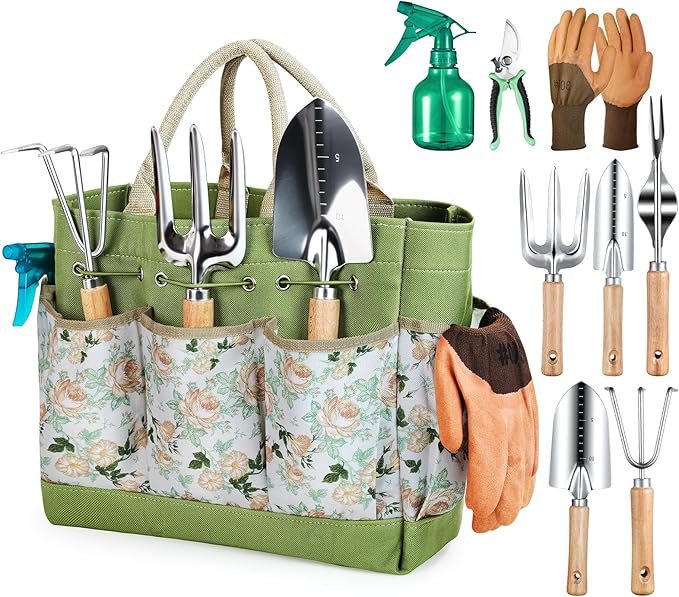
If you want to get started with herbs in the simplest way possible, an indoor herb garden starter kit is a fantastic choice. These kits typically come with everything you need—seeds, pots, soil, and instructions—all in one box.
Category 1: The Easiest & Most Forgiving Herbs
Herbs are the perfect starting point for any new urban gardener. They are relatively compact, highly productive, and add incredible flavor to your cooking.
1. Basil
- Why it’s great for beginners: Basil is a fast-grower that gives you immediate feedback and rewards. The more you harvest its leaves, the bushier and more productive it becomes.
- Sunlight: Full sun. It absolutely loves heat and light.
- Container Size: A 6-8 inch pot (about 1-2 gallons) is perfect for a single plant.
- Pro-Tip: When you harvest, pinch the stem right above a set of two leaves. This will encourage the plant to branch out from that point, creating a fuller plant instead of a single, tall stalk.
2. Mint
- Why it’s great for beginners: It’s famously easy to grow—so easy, in fact, that it can be invasive in a traditional garden. This makes it the perfect plant for a container, where its aggressive roots are happily contained.
- Sunlight: Part sun to full sun. It’s very adaptable but does best with some afternoon shade in hot climates.
- Container Size: An 8-10 inch pot. Give it some room to spread out.
- Pro-Tip: Plant different mint varieties like peppermint, spearmint, or even chocolate mint in separate pots to keep their distinct flavors pure.
3. Chives
- Why it’s great for beginners: Chives are incredibly resilient and will come back year after year. They are one of the first things to pop up in spring and will tolerate a bit of neglect.
- Sunlight: Full sun to part sun.
- Container Size: A 6-inch pot is all you need to get started.
- Pro-Tip: Use scissors to snip the green tops, leaving about two inches behind. This “haircut” method allows for continuous harvesting. The purple puffball flowers are edible and look beautiful in salads!
4. Rosemary
- Why it’s great for beginners: This woody, Mediterranean herb thrives on a bit of neglect. Its biggest enemy is too much water, making it perfect for the forgetful gardener.
- Sunlight: Full, direct sun. It needs at least 6-8 hours to be truly happy.
- Container Size: An 8-12 inch pot with excellent drainage. Terracotta pots are a great choice.
- Pro-Tip: Rosemary prefers to dry out between waterings. Use the “finger test”—only water when the top two inches of soil feel completely dry.
Category 2: High-Yield Urban Vegetables
Growing your own food in the city is incredibly rewarding. These vegetables are known for being productive even in compact containers.
5. Lettuce & Leafy Greens
- Why they’re great for beginners: Loose-leaf lettuce, spinach, and arugula are “cut-and-come-again” crops. You can harvest the outer leaves, and the plant’s center will continue to produce new ones for weeks, providing a steady supply for salads.
- Sunlight: Part sun. They appreciate some shade, especially from the hot afternoon sun which can cause them to “bolt” (flower prematurely).
- Container Size: A long, rectangular window box or a wide, shallow pot (at least 6 inches deep) is ideal.
- Pro-Tip: Sow a new small batch of seeds every 2-3 weeks. This practice, called “succession planting,” will ensure you have a continuous harvest all season long.
6. Cherry Tomatoes
- Why they’re great for beginners: A sun-ripened cherry tomato picked right off the vine is a taste of summer. They are far more manageable and productive in pots than their larger cousins.
- Sunlight: Full sun is non-negotiable. They need at least 8 hours for good fruit production.
- Container Size: Minimum of a 5-gallon pot (about 12-14 inches in diameter). Bigger is even better.
- Pro-Tip: Look for “determinate” or “patio” varieties. These are bush-type tomatoes that grow to a compact, predetermined size, making them perfect for containers. ‘Tiny Tim’ and ‘Patio Princess’ are excellent choices.
7. Peppers (Hot & Sweet)
- Why they’re great for beginners: Pepper plants are naturally compact, beautiful, and highly productive in pots. A single plant can give you dozens of peppers throughout the season.
- Sunlight: Full sun. Like tomatoes, they are heat-loving plants.
- Container Size: A 3-5 gallon pot is usually sufficient for one plant.
- Pro-Tip: The more you harvest the peppers, the more the plant will produce. Don’t be afraid to pick them as soon as they are ripe to encourage new flowers and fruit.
8. Radishes
- Why they’re great for beginners: Radishes offer near-instant gratification, which is a huge motivator! They can go from seed to harvest in as little as 3-4 weeks.
- Sunlight: Full sun to part sun.
- Container Size: They don’t need a deep pot. A container that is 6-8 inches deep is plenty.
- Pro-Tip: Sow seeds directly into the container and thin them out as they grow to give each radish bulb enough space to swell. Overcrowding leads to leafy tops with no root development.
Category 3: Beautiful & Low-Maintenance Flowers
Don’t forget the flowers! They add color, attract beneficial pollinators to your vegetable plants, and are a huge mood booster.
9. Marigolds
- Why they’re great for beginners: They are cheerful, tough-as-nails, and bloom all summer long with very little fuss. They thrive in the heat and sun.
- Sunlight: Full sun.
- Container Size: A 6-8 inch pot is fine for most varieties.
- Pro-Tip: Marigolds are famous for their pest-repelling properties. Plant them next to your tomato or pepper pots to help deter unwanted insects.
10. Petunias
- Why they’re great for beginners: Petunias are the workhorses of container gardens, providing a massive explosion of color. They are perfect for hanging baskets and window boxes where they can spill over the edges.
- Sunlight: Full sun.
- Container Size: A standard 10-12 inch hanging basket can hold 3 petunia plants.
- Pro-Tip: To keep them blooming profusely all season, “deadhead” the spent flowers. Simply pinch off the old, faded blooms where they meet the stem. This tells the plant to produce more flowers instead of seeds.
11. Zinnias
- Why they’re great for beginners: Zinnias are incredibly easy to grow from seed, come in a rainbow of vibrant colors, and are magnets for butterflies. They are a “cut-and-come-again” flower, so the more you cut for bouquets, the more they bloom.
- Sunlight: Full Sun.
- Container Size: Choose a dwarf variety like ‘Thumbelina’ for smaller pots (8-10 inches), or larger varieties for 5-gallon containers.
- Pro-Tip: To promote a bushier plant with more flowers, pinch off the top of the main stem when the plant is young (about 8-12 inches tall).
12. Succulents (like Echeveria or Sedum)
- Why they’re great for beginners: Succulents are the ultimate low-maintenance plant. They store water in their leaves, making them extremely drought-tolerant. They are perfect for busy people or those who travel often.
- Sunlight: Full to part sun. They love light.
- Container Size: Small, shallow pots are ideal.
- Pro-Tip: The only way to kill most succulents is with kindness (i.e., overwatering). Use a special cactus/succulent potting mix that offers very sharp drainage, and only water when the soil is completely bone dry.
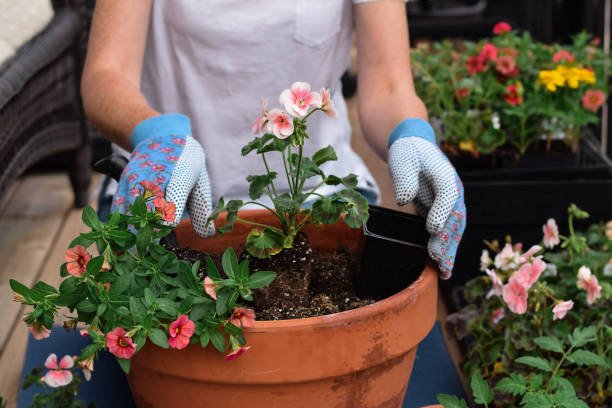
Your Path to a Green Oasis Begins Today
Choosing the best plants for urban gardening beginners is the most important step in creating a garden that brings you joy, not frustration. The key is to start small, choose plants you’re excited about, and match them to the sunlight you have.
Don’t be afraid to experiment. The journey of gardening is one of learning, observing, and connecting. Your small urban space holds incredible potential to become a source of peace, flavor, and beauty in your daily life.
We’d love to be part of your journey! What are you most excited to grow in your new urban garden? Share your plans or ask any questions in the comments below!
I have been surfing online more than three hours today, yet I never found any interesting article like yours. It’s pretty worth enough for me. In my opinion, if all web owners and bloggers made good content as you did, the web will be much more useful than ever before.
This is such a fantastic comment! Thank you for taking the time to share your positive feedback. I’m thrilled to know you found the article so valuable. Your kind words are a big motivation!