You’ve brought home a beautiful new plant. You’ve given it the perfect sunny spot on your balcony, a beautiful new pot, and the best organic soil. You have your watering can in hand, ready to be the best plant parent ever. And then the anxiety hits. Am I watering too much? Too little? Is the soil supposed to look this dry? Or is it too wet? If this sounds familiar, you are not alone. Knowing exactly how and when to water is the biggest hurdle for new gardeners, and it’s the source of most plant fatalities.
But here’s a secret: watering doesn’t have to be a source of stress. In fact, it can be the most mindful and rewarding part of your day. It’s the ultimate unplugged routine—a quiet moment of connection where you learn to listen to your plants and give them exactly what they need. The key is to stop thinking of it as a chore on a fixed schedule and start thinking of it as a conversation.
This guide is here to be your translator. We’re going to cover everything you need to know, from debunking common myths to mastering advanced techniques. These are the essential watering tips for urban gardeners that will transform you from an anxious plant owner into a confident, intuitive cultivator of your own green oasis.
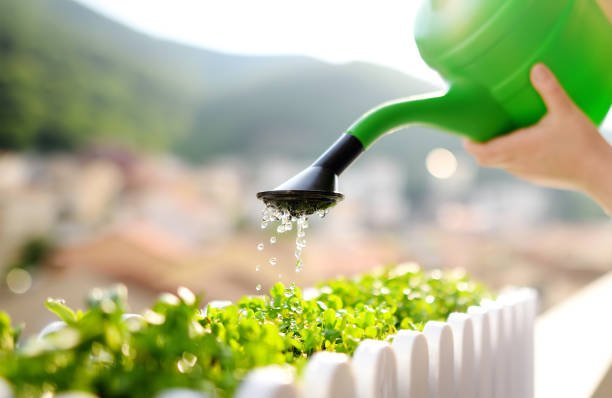
Table of Contents
Why Urban Garden Watering is a Unique Challenge
Before we dive into the tips, it’s crucial to understand why watering a pot on a city balcony is completely different from watering a plant in a suburban backyard.
- Container Life: The Fast-Drying Dilemma: Unlike plants in the ground, your container plants have a very limited amount of soil. This soil heats up and dries out much faster, especially in smaller pots.
- The Urban Heat Island Effect: Cities are hot. Concrete, asphalt, and brick absorb and radiate heat, making your balcony or patio several degrees warmer than a grassy area. This intense heat wicks moisture from your soil at an accelerated rate.
- Wind Tunnel Woes: Balconies, especially on higher floors, can be incredibly windy. Wind acts like a blow dryer on your plants, stripping moisture from both the leaves and the soil surface.
Understanding these factors is the first step: your urban garden lives in an extreme environment and needs a more thoughtful approach to hydration.
The Three Golden Rules of Watering
If you only remember three things from this entire article, make them these. Mastering these principles will solve 90% of your watering problems.
1. Ditch the Schedule, Trust Your Finger
The most common mistake beginners make is watering on a rigid schedule, like every Tuesday and Friday. Plants don’t use water according to a calendar; they use it based on heat, light, humidity, and their growth rate.
- The Finger Test: This is the most reliable method, period. Stick your index finger into the soil up to your second knuckle.
- If the soil feels dry at your fingertip: It’s time to water.
- If the soil feels moist or cool: Hold off. Check again tomorrow.
- This simple, tactile check connects you with your plant’s actual needs and prevents the #1 plant killer: overwatering.
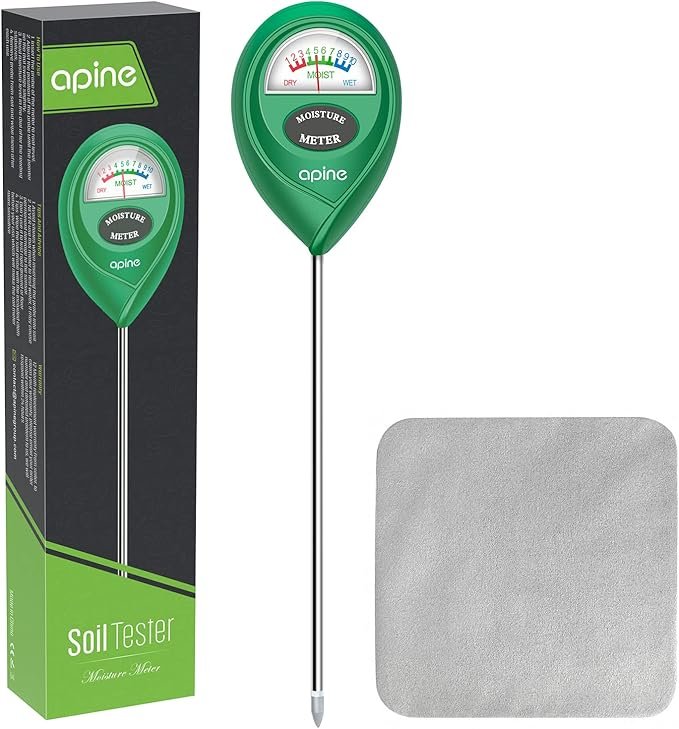
Take the Guesswork Out of It: If you’re still feeling unsure after the finger test, or if you have very deep pots, a soil moisture meter is a fantastic and affordable tool. We like the XLUX Soil Moisture Meter because it’s simple, requires no batteries, and gives you an instant, easy-to-read measurement of the moisture level deep in the root zone.
2. Water Deeply and Thoroughly, Not Lightly
When it’s time to water, don’t just give your plant a tiny sip. A light sprinkle only moistens the top layer of soil, encouraging shallow, weak roots. You want to promote a deep, resilient root system.
- The Technique: Water slowly and evenly around the base of the plant until you see water freely flowing out of the drainage holes at the bottom of the pot. This ensures the entire root ball has been saturated. After it drains, empty the saucer so the pot isn’t sitting in a puddle.
3. Timing is Everything: The Morning Ritual
The best time of day to water your urban garden is in the early morning.
- Why it Works: Watering in the morning gives the plant a full reservoir of water to draw from during the heat of the day, reducing stress. It also allows any moisture on the leaves to evaporate quickly in the sun, which helps prevent fungal diseases. Watering in the evening can leave the soil soggy and cool overnight, creating a welcome environment for rot and pests.
Mastering the Techniques: Tools and Methods
Once you have the golden rules down, you can level up your watering game with the right tools and techniques.
4. Choose the Right Watering Can
A good watering can makes the job easier and more precise. For urban gardens, a long-spouted can is a game-changer. It allows you to deliver water directly to the soil surface, under the leaves, without splashing or creating a mess on your balcony.
5. Understand Top Watering vs. Bottom Watering
- Top Watering: This is the traditional method described in Rule #2. It’s great for flushing excess salts from the soil but can sometimes lead to uneven moisture if the soil is very dry.
- Bottom Watering: This technique is fantastic for plants that are sensitive to wet leaves (like African violets) or for rehydrating extremely dry soil.
- How to do it: Place your pot (it must have drainage holes) in a sink, tub, or deep saucer filled with a few inches of water. Let the plant sit for 20-30 minutes. The soil will absorb water up through the drainage holes like a sponge. When the top of the soil is moist to the touch, it’s done. Let it drain completely before returning it to its spot.
6. Use Room Temperature Water
Plants can be shocked by extreme temperatures. Using ice-cold water straight from the tap can stun the roots. For best results, use lukewarm or room temperature water. An easy trick is to fill your watering can after you’re done and leave it to sit until the next time you need it.
7. Group Plants with Similar Needs
As your collection grows, place plants with similar water requirements together. Put your thirsty herbs and veggies in one area and your drought-tolerant succulents in another. This makes your watering routine more efficient and reduces the risk of errors.
Troubleshooting: Reading the Signs
Your plants are always talking to you. Learning to read their signals is the key to becoming an intuitive gardener.
8. The Signs of Overwatering (The #1 Plant Killer)
Overwatering suffocates roots, cutting off their oxygen supply and leading to root rot. It’s much harder for a plant to recover from this than from being a little thirsty.
- Yellowing leaves, especially lower ones.
- Wilting, even though the soil is wet. The roots are rotting and can no longer absorb water.
- Mushy or soft stems at the base.
- Fungus gnats (tiny black flies) hovering around the soil.
- Mold or fungus growing on the soil surface.
- The pot feels unusually heavy.
9. The Signs of Underwatering
This is usually easier to diagnose and fix than overwatering.
- Wilting, but the plant perks up quickly after watering.
- Dry, crispy, or brown leaf edges.
- Slowed or stunted growth.
- The soil is pulling away from the sides of the pot.
- The pot feels unusually light.
| Symptom | Overwatering | Underwatering |
| Leaves | Yellow, limp, often starting from the bottom | Crispy, brown edges, wilting all over |
| Soil | Soggy, wet, may have mold | Bone dry, pulling away from the pot |
| Stems | Soft, mushy at the base | Brittle, dry |
| Overall Vibe | Plant looks sad and sick, but soil is wet | Plant looks sad and thirsty, soil is dry |
10. Adjust for Pot Material
Terracotta pots are porous and “breathe,” meaning the soil will dry out much faster. Glazed ceramic or plastic pots retain moisture for much longer. Be extra vigilant with the finger test for terracotta.
11. Adjust for the Season
Plants need much more water during their active growing season (spring and summer) when days are long and hot. In the fall and winter, their growth slows, and they need significantly less water. You might go from watering every few days in July to once every two weeks in January.
12. Don’t Mistake Dormancy for Death
Some plants go dormant in the winter and may drop their leaves. This doesn’t mean they are dead! It means they are resting. Drastically reduce watering during this period to avoid rotting the dormant roots.
Smart Solutions for the Busy Gardener
Life gets busy. These tips can help automate your watering and save your plants when you’re away.
13. Invest in Self-Watering Planters
These containers have a built-in water reservoir that wicks moisture up into the soil as needed. They are a fantastic solution for thirsty plants like tomatoes and herbs, and they can keep your plants perfectly hydrated for a week or more.
14. Use Watering Globes and Spikes
These simple tools are filled with water and inserted into the soil. They slowly release water as the soil dries out, making them a great option for short vacations.
15. Set Up a DIY Wicking System
For a longer trip, you can create a simple wicking system. Place a large jug of water next to your plant. Submerge one end of a cotton rope or cloth strip in the water and bury the other end a few inches into your plant’s soil. The rope will act as a wick, slowly drawing water into the pot.
16. Mulch Your Containers
Just like in a big garden, a 1-inch layer of mulch (like wood chips, straw, or decorative pebbles) on top of the soil can dramatically reduce water evaporation, keeping the soil moist for longer.
17. When in Doubt, Wait One More Day
This is the final, and perhaps most important, piece of advice. It is always easier for a plant to recover from being a little too dry than from being drowned. If you are unsure whether it’s time to water, it’s usually safest to wait and check again tomorrow.
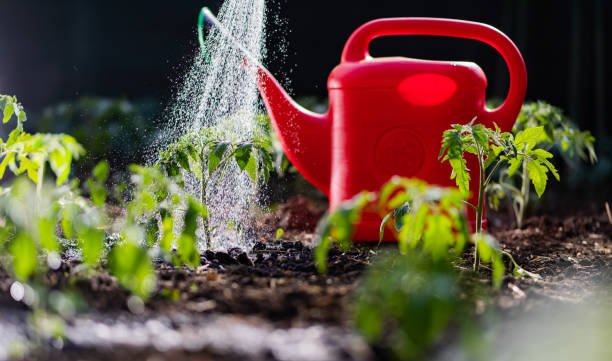
Find Your Watering Rhythm
Watering your urban garden is a skill, and like any skill, it gets easier with practice. Put down the calendar, pick up your watering can, and start paying attention. Use your finger, observe the leaves, and feel the weight of the pot. Soon, what started as a source of anxiety will become a peaceful, intuitive rhythm—a daily conversation between you and your thriving green space.
What is your biggest watering challenge or your favorite watering tip? Share your experiences in the comments below!
I’ve read a few good stuff here. Definitely value bookmarking for revisiting. I surprise how so much attempt you set to make this sort of great informative website.
But a smiling visitor here to share the love (:, btw great layout. “He profits most who serves best.” by Arthur F. Sheldon.
Attractive section of content. I just stumbled upon your website and in accession capital to assert that I acquire actually enjoyed account your blog posts. Any way I will be subscribing to your feeds and even I achievement you access consistently rapidly.
Some truly nice stuff on this internet site, I love it.