When you picture a “sustainable lifestyle,” what comes to mind? For many, it’s an image of a spacious house with solar panels on the roof, a sprawling vegetable garden in the backyard, and a multi-bin composting system churning away near the fence. It’s a beautiful vision, but for the millions of people living in urban apartments, it can feel completely unattainable.
This myth—that true sustainability requires a yard and a mortgage—is one of the biggest barriers preventing apartment dwellers from embracing a more eco-conscious life. You might think, “I can’t install solar panels,” “I have nowhere to compost,” or “My tiny balcony can’t possibly make a difference.”
This guide is here to shatter that myth.
Sustainable Living in an Apartment is not only possible, but it also presents a unique and powerful opportunity to innovate. It’s about being creative with space, efficient with resources, and deeply connected to your community. Your apartment is not a limitation; it is your laboratory for modern, urban sustainability. This guide will provide you with 15 clever, practical, and space-saving ideas to prove that your small space can have a massive positive impact.
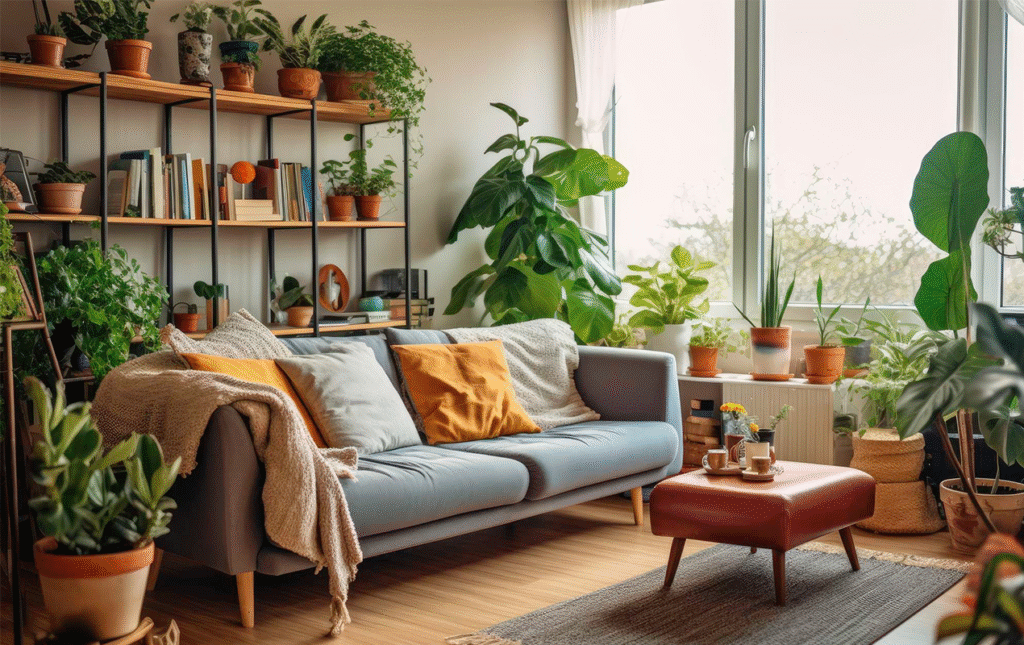
Table of Contents
The Apartment Dweller’s Advantage: A New Perspective on Sustainable Living
Before we dive into the tips, let’s reframe our thinking. Instead of focusing on what you can’t do, consider the inherent advantages of apartment living:
- Smaller Footprint: A smaller space requires less energy to heat, cool, and light, giving you a head start on energy conservation.
- Proximity and Walkability: Living in a denser area often means you’re closer to shops, farmers’ markets, and public transportation, making it easier to reduce your reliance on a car.
- Community Power: You live in close proximity to dozens, if not hundreds, of other people. This creates a unique opportunity for sharing resources, building community, and advocating for collective change within your building.
Embracing Sustainable Living in an Apartment is about mastering the art of efficiency and leveraging the power of community.
15 Actionable Tips for Sustainable Living in an Apartment
Let’s journey through the key areas of your life and uncover the actionable steps you can take today.
Waste Reduction Strategies in a Small Space
1. Master Small-Space Composting
The Challenge: No yard, no problem. The fear of smells and pests often stops apartment dwellers from composting, but modern solutions are designed specifically for you. The Solution:
- Vermicomposting (Worm Bin): This is the gold standard for apartment composting. A worm bin is a self-contained, stacked system where red wiggler worms process your food scraps into nutrient-rich vermicast (worm manure). It’s odorless, compact enough to fit in a closet or under a sink, and surprisingly low-maintenance. Reputable sources like the University of Nebraska-Lincoln Extension provide excellent guides on getting started.
- Bokashi Bin: This Japanese method uses an anaerobic (oxygen-free) process to pickle your food scraps in a sealed bucket. It can handle items that traditional composting can’t, like meat and dairy. After a few weeks, the “pre-compost” can be buried in a community garden or a friend’s yard, or sometimes collected by a local service.
2. Create a Compact Recycling and Waste Station
The Challenge: A jumble of bins can quickly eat up valuable floor space. The Solution: Think vertically. Invest in stackable bins or use a narrow, multi-compartment trash and recycling can. Designate a specific, out-of-the-way spot—like a pantry, a closet, or the side of your fridge—for your station. Use clear labels to make sorting easy for everyone in the household. A well-organized system makes the process of reducing waste feel manageable, not chaotic. This is a foundational step from our guide on [How to Reduce Waste with Simple Sustainable Habits].
3. Leverage Bulk Bins and Local Refilleries
The Advantage: Your urban location is a huge asset here. More and more cities have grocery stores with bulk bin sections or dedicated “refillery” shops. The Solution: Keep a set of clean, lightweight jars and cloth bags ready for your shopping trips. Buying from bulk bins allows you to get the exact amount you need (reducing food waste) and completely eliminates packaging for items like pasta, rice, nuts, spices, and grains.
Food and Gardening Strategies for Apartments
4. Cultivate a Thriving Balcony or Windowsill Garden
The Challenge: No plot of land to till. The Solution: Your balcony, patio, or even a sunny windowsill can become a productive mini-farm.
- Go Vertical: Use vertical planters, railing planters, and hanging baskets to maximize growing space.
- Choose Wisely: Focus on high-yield, low-space plants. Herbs (basil, mint, rosemary), leafy greens (lettuce, spinach), green onions, and compact varieties of cherry tomatoes and peppers all thrive in containers.
5. Regrow Kitchen Scraps on Your Countertop
The Solution: This is the easiest form of gardening and requires zero special equipment. Many common vegetables will regrow from the scraps you’d normally compost or throw away. Place the root ends of green onions, leeks, celery, and romaine lettuce in a shallow dish of water on your windowsill. Within days, you’ll see new growth.
6. Support or Start a Community Garden
The Solution: If you crave more space to dig in the dirt, look beyond your own apartment. Many neighborhoods have community gardens where you can rent a small plot for a season. It’s a fantastic way to grow more food, learn from experienced gardeners, and build relationships with your neighbors.
Energy and Water Conservation for Renters
7. Become an Energy Conservation Expert
The Solution: Renters have immense power to reduce energy consumption without making structural changes.
- Lights: Swap every bulb in your apartment for energy-efficient LEDs.
- Vampire Power: Use smart power strips that automatically cut power to devices when they’re not in use, or simply get in the habit of unplugging chargers and electronics.
- Cooking: Use smaller appliances like microwaves, toaster ovens, and electric kettles when possible, as they use significantly less energy than a full-sized oven.
8. Explore Community Solar Programs
The Challenge: You can’t put solar panels on your apartment roof. The Solution: Community solar is the answer. As explained by the U.S. Department of Energy, these programs allow multiple people to benefit from a single, large solar array. You can “subscribe” to a share of the solar farm and receive credits on your electricity bill, allowing you to support renewable energy without owning your roof. Search for “community solar programs” in your region.
9. Implement Renter-Friendly Water-Saving Hacks
The Solution:
- Install a Low-Flow Aerator: You can easily screw a low-flow aerator onto your kitchen and bathroom faucets. They are inexpensive and can be removed when you move out.
- Notify Your Landlord: If you have a leaky faucet or a running toilet, notify your building management immediately. You’ll be saving a huge amount of water and helping them lower the building’s utility bills.
- The Bottle Trick: Place a sealed water bottle or a plastic bag filled with water in your toilet’s tank. This displaces water, meaning the tank fills with less water after each flush.
Lifestyle and Community Habits
10. Maximize Your Proximity to Public Transit
The Advantage: One of the most significant aspects of Sustainable Living in an Apartment is reducing transportation emissions. Make a conscious effort to walk, bike, or use the bus or train systems that are often readily available in urban areas.
11. Create a Natural, Healthy Indoor Environment
The Solution: Your indoor air can be more polluted than the air outside.
- Bring in Plants: Many common houseplants are excellent at filtering indoor air pollutants. According to the U.S. Environmental Protection Agency (EPA), a well-ventilated space is key to health, and plants can be part of that solution. Spider plants, snake plants, and pothos are famously hard to kill.
- DIY Cleaners: Avoid harsh chemical cleaners by making your own with simple ingredients like vinegar and baking soda.
12. Build a Sharing Economy with Your Neighbors
The Solution: You probably don’t need your own power drill if you only use one once a year. Before buying an item you’ll use infrequently, consider asking a neighbor. You can create a building-wide group chat or email list to facilitate borrowing and sharing tools, kitchen appliances, or even leftover ingredients.
13. Perfect the Art of Mindful Consumption
The Advantage: A small space forces you to be intentional about every item you bring into it. There is simply no room for clutter. This natural limitation helps you master the “Reduce” principle from our [Beginner’s Guide to Sustainable Living]. Always ask, “Do I have a place for this, and do I truly need it?”
14. Support Hyper-Local Businesses
The Advantage: Your walkable or transit-friendly neighborhood is an economic ecosystem. Supporting the small bakery, coffee shop, and bookstore down the street not only builds community but also reduces the massive carbon footprint associated with long-distance shipping from online mega-retailers.
15. Educate and Advocate Within Your Building
The Solution: Once you’ve established your own habits, use your voice to encourage broader change.
- Talk to Management: Respectfully approach your landlord or building manager with suggestions. Could they switch to LED lighting in the hallways? Could they start a building-wide compost collection service? Could they improve the recycling signage? Frame your suggestions in terms of how they can save money and attract eco-conscious tenants.
Conclusion: Your Small Space, Your Big Impact
Sustainable Living in an Apartment is not a compromised, lesser version of the real thing. It is the future. It’s a dynamic, creative, and community-focused approach to living in harmony with our planet, right where most of us live: in cities.
By embracing the unique advantages of your space—efficiency, proximity, and community—you can pioneer a lifestyle that is both deeply sustainable and profoundly modern. Forget the myth of the sprawling yard. Your balcony garden, your worm bin, your conversations with neighbors, and your conscious choices are the powerful actions that are truly building a better world. Your apartment is not a barrier; it is the perfect place to begin.
Call to Action
This guide is just the beginning. Now it’s your turn to innovate.
Apartment dwellers, what’s your favorite space-saving sustainability hack that we didn’t mention? Share your best tips in the comments below to help our community grow! If you found this article empowering, please share it with a fellow renter.